Home & Garden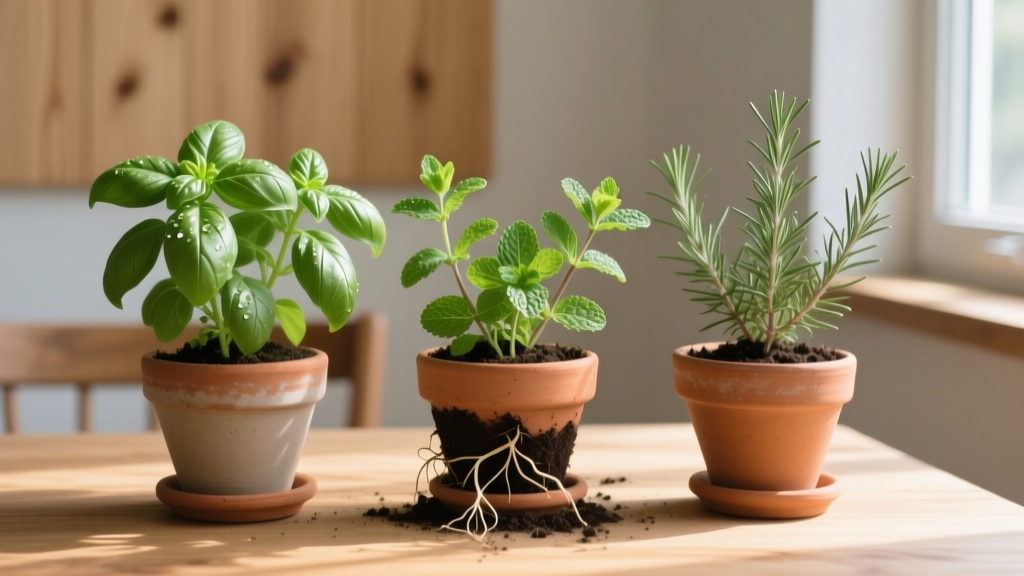
The Beginner's Guide to Growing Culinary Herbs in Pots
Mike RodriguezPublished
Bridge the Gap Between Garden and Kitchen
There is nothing quite like the aroma of freshly snipped basil or the earthy scent of rosemary wafting through your kitchen. For beginners looking to bridge the gap between outdoor gardening and indoor culinary adventures, a container herb garden is the perfect starting point. Growing herbs in pots allows you to control the soil, manage sunlight exposure by moving the containers, and keep your favorite flavors just steps away from your cutting board. Whether you have a sprawling backyard patio or a modest apartment balcony, this beginner-friendly growing guide will walk you through exactly how to cultivate a thriving, garden-to-table herb garden.
Why Choose Container Herb Gardening?
Container gardening eliminates many of the hurdles associated with traditional in-ground planting. You do not have to worry about poor native soil, aggressive weeds, or back-breaking tilling. Furthermore, containers offer unparalleled mobility. If a sudden frost threatens your tender basil, you can simply carry the pot indoors. According to the University of Minnesota Extension, growing herbs in containers also helps manage invasive species like mint, which can rapidly take over a traditional garden bed if left unchecked. By confining mint to its own pot, you protect the rest of your garden while still enjoying a bountiful harvest.
Essential Supplies and Budgeting
Starting a container herb garden is highly cost-effective. Here is a breakdown of the essential supplies you will need, along with estimated costs and specific product recommendations for beginners:
- Containers (12 to 16 inches in diameter): Terracotta pots are excellent for Mediterranean herbs like rosemary and thyme because the porous clay allows soil to dry out evenly, preventing root rot. For moisture-loving herbs like basil and mint, glazed ceramic or high-quality resin pots are better. Expect to spend $15 to $30 per pot.
- Premium Potting Mix: Never use garden soil or topsoil in containers, as it compacts and suffocates roots. Invest in a well-draining potting mix. FoxFarm Ocean Forest Potting Soil or Miracle-Gro Performance Organics All Purpose Container Mix are excellent choices, costing around $20 for a 1.5 cubic foot bag.
- Slow-Release Fertilizer: Herbs are light feeders, but container plants eventually deplete their soil nutrients. A gentle, slow-release fertilizer like Osmocote Smart-Release Plant Food ($10) or an organic option like Espoma Organic Plant-tone ($8) will provide steady nutrition without burning delicate leaves.
- Herb Starts or Seeds: For beginners, purchasing 4-inch nursery starter plants (transplants) from a local garden center is highly recommended over starting from seed. Transplants cost about $4 to $6 each and shave weeks off your time to harvest.
Top 4 Beginner-Friendly Culinary Herbs
Not all herbs are created equal when it comes to ease of care. Here are four foolproof culinary herbs that thrive in containers and offer immense garden-to-table value.
1. Genovese Basil
Basil is the undisputed king of the summer kitchen garden. It grows rapidly in warm weather and is essential for homemade pesto, caprese salads, and pasta sauces. Basil is an annual, meaning it will complete its life cycle in one season. It requires consistent moisture and rich soil. To keep your basil bushy and productive, pinch off the top sets of leaves regularly and immediately remove any flower buds, which cause the leaves to turn bitter.
2. Peppermint and Spearmint
Mint is virtually indestructible, making it the ultimate confidence-builder for novice gardeners. It thrives in partial shade to full sun and prefers slightly moister soil than other herbs. Because mint spreads via aggressive underground runners called stolons, it must always be grown in its own dedicated container. Use it for mojitos, teas, and summer fruit salads.
3. Tuscan Blue Rosemary
Rosemary is a woody perennial that brings a savory, pine-like flavor to roasted meats, potatoes, and artisan breads. Originating from the Mediterranean, it demands excellent drainage and full sun. Overwatering is the fastest way to kill rosemary; always let the top two inches of soil dry out completely before watering again. In colder climates (Zones 6 and below), bring your potted rosemary indoors near a bright, south-facing window before the first frost.
4. English Thyme
Thyme is a low-growing, drought-tolerant perennial that pairs beautifully with rosemary in both the garden and the kitchen. It requires minimal fertilization and thrives on neglect. A single 10-inch pot of thyme will provide more than enough leaves to season soups, stews, and roasted vegetables throughout the growing season.
Herb Care Comparison Chart
Use this quick-reference table to ensure you are meeting the specific environmental needs of your container herbs.
| Herb Variety | Sunlight Needs | Water Frequency | Minimum Pot Size | Growth Habit |
|---|---|---|---|---|
| Genovese Basil | 6-8 hours (Full Sun) | When top 1 inch is dry | 12 inches | Upright Annual |
| Spearmint | 4-6 hours (Part Sun) | Keep consistently moist | 14 inches | Spreading Perennial |
| Rosemary | 6-8+ hours (Full Sun) | When top 2 inches are dry | 16 inches | Woody Perennial |
| English Thyme | 6-8 hours (Full Sun) | When soil is mostly dry | 10 inches | Low Perennial |
Step-by-Step Planting Guide
Proper planting sets the foundation for a healthy root system. As noted by Penn State Extension, proper drainage is the most critical factor in container gardening, so ensure every pot you select has at least one large drainage hole at the base.
- Prep the Pot: Place a piece of mesh window screen or a coffee filter over the drainage hole to prevent soil from washing out while allowing water to escape.
- Fill with Soil: Fill your container with your premium potting mix, leaving about two inches of space from the rim. This "watering basin" prevents soil and water from spilling over the edges when you irrigate.
- Tease the Roots: Gently remove your herb transplant from its nursery pot. If the roots are circling tightly at the bottom, gently tease them outward with your fingers to encourage them to grow into the new soil.
- Plant at the Right Depth: Dig a hole in the center of the pot. Place the herb inside so that the top of the root ball is level with the surrounding soil surface. Planting too deeply can cause stem rot.
- Water Deeply: Water the plant slowly until you see water flowing freely out of the bottom drainage holes. This settles the soil around the roots and eliminates hidden air pockets.
Watering, Feeding, and Pruning
The most common mistake beginners make is overwatering. Instead of watering on a strict calendar schedule, use the "knuckle test." Insert your index finger into the soil up to your first knuckle. If the soil feels dry at that depth, it is time to water. If it feels cool and damp, wait another day. Always water the soil directly at the base of the plant; wetting the foliage, especially in the evening, can invite fungal diseases like powdery mildew.
Because frequent watering leaches nutrients out of the potting mix, you will need to replenish them. Apply your chosen slow-release fertilizer at the beginning of the spring growing season, following the package measurements precisely. Alternatively, you can use a liquid organic fertilizer like fish emulsion, diluted to half-strength, every three weeks during the peak summer months.
Pruning is not just for harvesting; it is essential for plant health. Regularly snipping the tips of your herbs encourages lateral branching, resulting in a bushier, more productive plant. Never remove more than one-third of the plant's total foliage at one time, as this can shock the herb and stall its growth.
Harvesting for Garden-to-Table Meals
The ultimate reward of your labor is bringing your harvest into the kitchen. According to The Old Farmer's Almanac, the best time to harvest herbs is in the early morning, just after the dew has dried but before the midday sun hits. This is when the essential oils in the leaves are most concentrated, providing the maximum flavor and aroma for your culinary creations.
Use sharp, clean micro-snips or herb scissors to make clean cuts just above a leaf node (the point where leaves emerge from the stem). For tender herbs like basil and mint, you can use the leaves immediately in salads, sauces, or garnishes. For woody herbs like rosemary and thyme, strip the leaves from the tough stems by running your fingers down the stalk in the opposite direction of growth before chopping.
If you find yourself with an overabundance of herbs, preservation is simple. Basil can be blended with olive oil and frozen in ice cube trays for winter soups. Rosemary and thyme can be tied in bundles and hung upside down in a warm, dry, and well-ventilated room for two weeks until fully dried, then stored in airtight glass jars. With just a few pots, some quality soil, and a little daily attention, your beginner container herb garden will transform your everyday cooking and beautifully bridge your outdoor space with your indoor kitchen.
