Home & Garden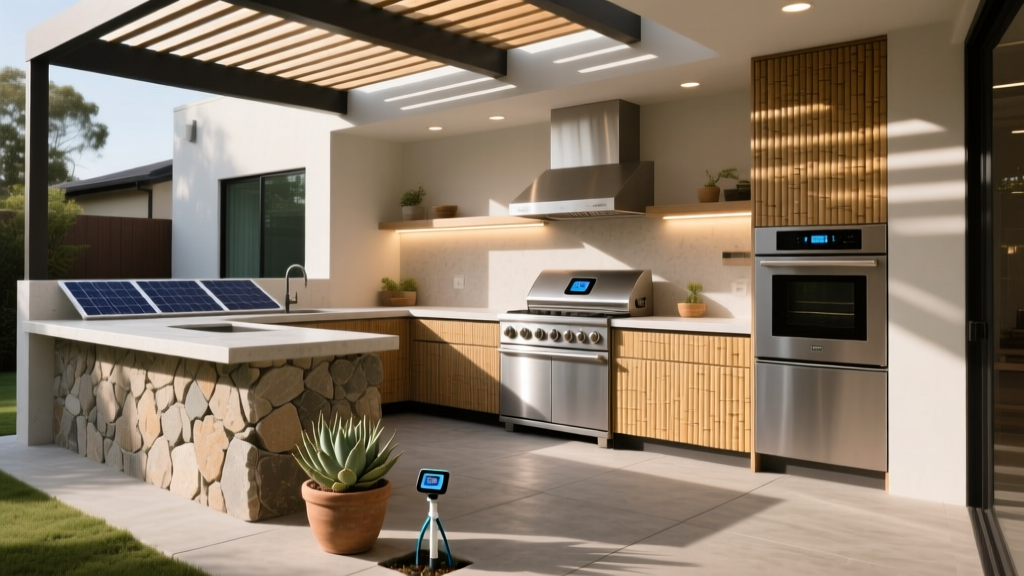
How to Design an Energy-Efficient Smart Outdoor Kitchen
David ParkPublished
The Rise of the Smart Outdoor Kitchen
The modern backyard has evolved from a simple patch of grass into a fully functional extension of the indoor living space. At the heart of this transformation is the outdoor kitchen. No longer just a standalone charcoal grill on a concrete slab, today's outdoor culinary spaces are sophisticated, energy-efficient, and integrated with smart home technology. Whether you are an avid garden-to-table cook or simply want to maximize your property's value, designing an outdoor kitchen with sustainability and efficiency in mind is a brilliant investment.
When planning your space, bridging the gap between indoor convenience and outdoor durability requires careful consideration of energy consumption, material lifecycles, and smart automation. By integrating energy-efficient appliances, strategic shading, and smart lighting, you can create an outdoor oasis that minimizes your carbon footprint while maximizing your entertainment potential.
"The true value of an outdoor kitchen lies not just in its culinary output, but in its ability to seamlessly merge the comfort of indoor living with the restorative power of the natural environment."
Strategic Layout and the Outdoor Work Triangle
The foundation of any great kitchen—indoor or outdoor—is the layout. The classic 'work triangle' connecting the sink, the refrigerator, and the primary cooking surface remains the gold standard for efficiency. However, outdoor spaces require additional zoning to account for weather, wind direction, and energy conservation.
Essential Measurements and Zoning
- Prep Counters: Standard height should be 36 inches, with a minimum depth of 24 inches to accommodate cutting boards and outdoor prep bowls.
- Bar Seating: Elevate the outer edge to 42 inches to provide a comfortable overhang for barstools while hiding prep clutter from guests.
- Landing Zones: Plan for at least 12 inches of landing space on either side of your primary grill or cooktop to prevent heat damage to surrounding materials and provide safe resting spots for hot pans.
- The Hot Zone: Position your grill or pizza oven away from prevailing winds to prevent smoke from blowing into the seating area, and avoid placing it near flammable composite decking or dry garden beds.
Strategic placement also extends to the surrounding landscape. According to the Arbor Day Foundation, properly placed shade trees can reduce ambient temperatures in your outdoor living space and lower adjacent indoor cooling costs by up to 25%. Planting deciduous trees like the Red Maple or Oak on the south and west sides of your patio provides crucial summer shade for your outdoor refrigerator and ice makers, reducing the energy required to keep them running at peak efficiency.
Selecting Energy-Efficient Outdoor Appliances
Outdoor appliances face extreme temperature fluctuations, meaning they often work harder and consume more energy than their indoor counterparts. Selecting the right equipment is vital for keeping utility bills in check and ensuring longevity.
For refrigeration, look for units with heavy-duty, UV-resistant exterior cladding and triple-pane glass doors if you opt for a display model. Brands like Sub-Zero and Perlick offer outdoor-rated under-counter refrigerators that feature advanced digital compressors, which adjust cooling output based on ambient temperature, saving significant energy during cooler evening hours.
For cooking, consider infrared grills or high-efficiency ceramic kamado smokers. Infrared burners use less gas and preheat in minutes, while kamado-style cookers retain heat so effectively that they require a fraction of the charcoal used by traditional kettle grills.
Appliance Energy and Cost Comparison
| Appliance Type | Energy Source | Estimated Cost | Efficiency Feature |
|---|---|---|---|
| Infrared Gas Grill (e.g., Lynx Professional) | Natural Gas / Propane | $4,000 - $8,000 | Preheats in 3 mins; zero flare-ups reduces wasted fuel. |
| Outdoor Rated Refrigerator (e.g., Sub-Zero) | Electricity (110V) | $3,500 - $6,000 | Variable-speed compressors adapt to extreme outdoor heat. |
| Ceramic Kamado Smoker (e.g., Big Green Egg) | Lump Charcoal | $1,000 - $2,500 | Thick ceramic walls retain heat; uses 50% less fuel. |
| Wood-Fired Pizza Oven (e.g., Ooni Koda 16) | Gas / Wood Pellets | $500 - $1,500 | Reaches 900°F rapidly; minimal preheat fuel waste. |
Smart Lighting and Automation Integration
A truly modern outdoor kitchen relies on smart home integration to manage energy usage seamlessly. Lighting is one of the most critical elements of outdoor design, impacting both safety and ambiance.
According to the U.S. Department of Energy, utilizing LED outdoor lighting combined with smart sensors and timers can reduce outdoor lighting energy consumption by up to 80% compared to traditional halogen fixtures. When designing your lighting plan, layer your illumination:
- Task Lighting: Install waterproof, low-voltage LED strip lights under your 36-inch prep counters and above the grill hood. Smart systems like Philips Hue Outdoor allow you to adjust the color temperature from a cool 4000K for safe food prep to a warm 2700K for evening dining.
- Ambient Lighting: Use solar-powered path lights and smart-controlled pergola string lights. Tie these to a central hub like Samsung SmartThings or Apple HomeKit so they automatically illuminate at dusk and dim at midnight.
- Smart Ventilation: If your outdoor kitchen is housed under a covered pavilion, integrate a smart exhaust fan equipped with a smoke and heat sensor. This ensures the fan only draws power when actively clearing smoke, rather than running on a continuous, wasteful timer.
Sustainable Hardscaping and Water Management
The surface beneath your outdoor kitchen plays a massive role in the environmental impact of your property. Traditional poured concrete patios create massive impermeable surfaces that contribute to stormwater runoff, which can wash fertilizers and pollutants from your lawn into local waterways.
Instead, opt for permeable pavers, such as those offered by Belgard or Techo-Bloc. These systems allow rainwater to filter naturally back into the soil, replenishing local aquifers and reducing the strain on municipal storm drains. The Environmental Protection Agency (EPA) notes that outdoor water use accounts for nearly 30% of total household water consumption. By utilizing permeable hardscaping and directing roof runoff from your patio cover into a smart-monitored rain barrel system, you can harvest thousands of gallons of free water annually for your adjacent garden-to-table vegetable beds.
Pair this with a smart irrigation controller like the Rachio 3. By placing your culinary herb gardens and raised vegetable beds immediately adjacent to the outdoor kitchen, the Rachio system can use local weather data to water your ingredients only when necessary, ensuring your garden-to-table pipeline is both hyper-local and highly water-efficient.
Budgeting, Timeline, and ROI
Designing and building an energy-efficient smart outdoor kitchen is a significant undertaking. On average, a mid-to-high-end outdoor kitchen with smart integration, premium appliances, and permeable hardscaping will cost between $25,000 and $50,000. Trenching for new 220V electrical lines to support high-draw appliances or running dedicated natural gas lines can add $2,500 to $5,000 to your budget. Furthermore, investing in a smart home hub and weatherproof outdoor networking equipment ensures your smart appliances remain connected without dropping signals across the yard.
The timeline from initial design and permitting to final construction typically spans 8 to 14 weeks, depending on the complexity of running new utilities to the site. However, the return on investment is substantial. Industry real estate data consistently shows that well-designed outdoor living spaces can yield an ROI of 50% to 75% upon resale, while simultaneously reducing your household's summer energy bills by keeping the heat of cooking outside and away from your indoor air conditioning zones.
Final Thoughts on Sustainable Outdoor Living
Planning an energy-efficient smart outdoor kitchen is about more than just picking out a high-end grill. It requires a holistic approach to design, considering how the space interacts with the sun, the wind, and the surrounding landscape. By prioritizing strategic shading, choosing variable-speed outdoor appliances, utilizing LED smart lighting, and installing permeable hardscaping, you create a space that is as kind to the environment as it is enjoyable for your guests. Embrace the intersection of technology and nature, and your outdoor kitchen will serve as the ultimate hub for sustainable, garden-to-table living for decades to come.
