Home & Garden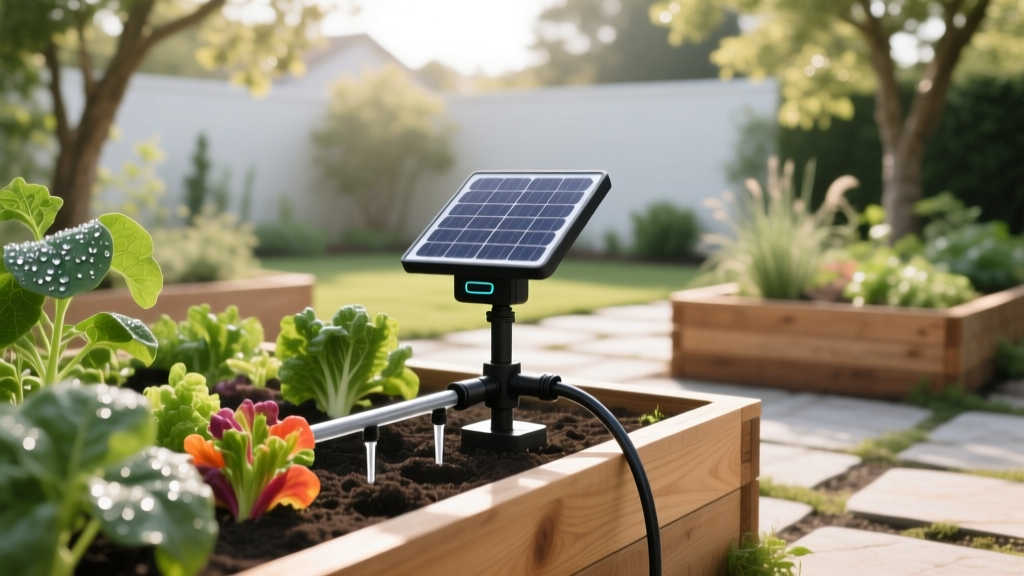
DIY Solar-Powered Smart Drip Irrigation for Raised Beds
Lisa ThompsonPublished
The Rise of Eco-Friendly Garden Automation
As homeowners increasingly seek to bridge the gap between sustainable living and lush, productive landscapes, eco-friendly garden automation has moved to the forefront of modern landscaping. Outdoor water use is a massive component of our daily environmental footprint. According to the Environmental Protection Agency (EPA), outdoor water use accounts for nearly 30% of total household water consumption, with that number climbing to 60% in arid regions during the peak summer months. Traditional sprinkler systems and hand-watering with a garden hose are not only labor-intensive but also highly inefficient, losing vast amounts of water to evaporation, wind drift, and surface runoff.
For the eco-conscious gardener focused on garden-to-table cooking and sustainable home maintenance, the solution lies in precision watering. By combining rainwater harvesting, solar energy, and smart home technology, you can create a closed-loop irrigation system that nourishes your raised garden beds while drastically reducing your municipal water reliance and carbon footprint.
Why Solar-Powered Smart Drip Irrigation?
A solar-powered smart drip irrigation system represents the pinnacle of sustainable garden design. Drip irrigation delivers water directly to the root zone of your plants, minimizing evaporation and keeping foliage dry, which naturally reduces the incidence of fungal diseases like powdery mildew and blight. When you power this system with a solar pump drawing from a rain barrel, you eliminate the need for grid electricity and treated municipal water.
Integrating a smart Wi-Fi controller takes the sustainability a step further. Instead of watering on a rigid, wasteful schedule, smart controllers utilize local weather data, evapotranspiration (ET) rates, and soil moisture sensors to water only when your plants truly need it. This synergy of renewable energy, captured rainwater, and intelligent software ensures your garden thrives with zero water waste.
Materials and Tools Needed
Building this system is a highly rewarding DIY garden project. Below is a comprehensive list of materials, including estimated costs and specifications, to outfit two standard 4x8-foot raised garden beds.
- 50-Gallon Rain Barrel with Mesh Screen: Captures roof runoff while keeping out debris and mosquitoes. (Approx. $80)
- Solar-Powered Submersible Water Pump (12V): Includes a 10W to 20W solar panel and built-in battery backup for cloudy days. (Approx. $45)
- Smart Wi-Fi Irrigation Controller: A weather-based smart timer (e.g., B-hyve XR or Rachio 3e) that connects to your home network. (Approx. $100)
- 12V DC Solenoid Valve: Acts as the electronic gatekeeper, opening and closing based on signals from the smart controller. (Approx. $15)
- 1/2-Inch Poly Drip Tubing (100 ft roll): The mainline for distributing water across the beds. (Approx. $25)
- 1/4-Inch Drip Line with Inline Emitters: Spaced every 12 inches, ideal for loamy raised bed soil. (Approx. $30)
- Wireless Soil Moisture Sensor: Placed directly in the root zone to override the smart controller if the soil is already saturated. (Approx. $40)
- Fittings, Punch Tool, and End Caps: Barbed tees, couplings, and a specialized drip tubing punch tool. (Approx. $20)
Total Estimated Cost: $355
Step-by-Step Installation Guide
Step 1: Position the Rain Barrel and Solar Pump
Place your 50-gallon rain barrel on a sturdy, level base of cinder blocks, elevating it at least 18 inches off the ground. This elevation provides a baseline gravitational head pressure, which assists the solar pump and ensures the system drains properly when not in use. Drop the submersible solar pump into the barrel. Route the solar panel's cable to a nearby fence or post that receives unfiltered, direct southern sunlight for at least six hours a day. Secure the panel at a 30-degree angle to maximize solar capture.
Step 2: Lay the Mainline and Drip Tubing
Connect the pump's outflow hose to the 12V solenoid valve, and then attach the 1/2-inch poly mainline tubing. Run the mainline along the back edge of your raised beds. According to guidelines published by the University of California Agriculture and Natural Resources (UC ANR), proper emitter spacing is critical for uniform soil moisture. For the loamy, compost-rich soil typically found in raised beds, 12-inch emitter spacing is ideal.
Use your punch tool to insert barbed tees into the mainline, then run the 1/4-inch inline drip tubing across the width of the 4x8 beds, spacing each row 12 inches apart. Secure the tubing with landscape staples and flush the lines by running the pump manually for two minutes before capping the ends. This clears any plastic shavings from the punch tool.
Step 3: Integrate the Smart Wi-Fi Timer and Soil Sensors
Mount the smart Wi-Fi controller in a weatherproof location, such as inside your garden shed or under a covered patio. Wire the 12V solenoid valve to the controller's designated zone terminals. Next, bury the wireless soil moisture sensor probe about four inches deep in the center of your most water-intensive raised bed—typically where tomatoes or peppers are planted. Pair the sensor with the controller via Bluetooth or Wi-Fi. Configure the app to use 'Weather Intelligence' features, which automatically skip watering schedules if local forecasts predict rain or if wind speeds exceed 15 mph, preventing water drift and waste.
Optimizing for Garden-to-Table Crops
When cultivating a garden-to-table kitchen garden, consistent moisture is the secret to high yields and superior flavor. Vegetables like tomatoes are highly susceptible to blossom end rot, a physiological disorder caused by calcium deficiency in the developing fruit, which is almost always triggered by fluctuating soil moisture levels. Hand-watering often leads to cycles of drought and flood stress. A smart drip system maintains a steady, even moisture baseline, allowing the plant's roots to continuously uptake calcium and nutrients. Furthermore, because drip irrigation keeps the foliage completely dry, you drastically reduce the risk of soil-borne pathogens splashing onto the leaves of your squash, cucumbers, and peppers, ensuring a healthier, more abundant harvest for your family.
System Comparison: Traditional Hose Watering vs. Solar Smart Drip
| Feature | Traditional Hand Watering | Solar Smart Drip System |
|---|---|---|
| Water Efficiency | 40% - 50% (High evaporation & runoff) | 90% - 95% (Direct root delivery) |
| Time Commitment | 30-45 minutes daily | Zero (Fully automated) |
| Energy Source | Municipal water grid (High energy footprint) | 100% Renewable Solar & Rainwater |
| Weed Growth | High (Wet soil surfaces encourage weed seeds) | Low (Dry soil surfaces between rows) |
| Foliage Health | Poor (Wet leaves promote fungal diseases) | Excellent (Leaves remain completely dry) |
Maintenance and Seasonal Winterization
To ensure the longevity of your eco-friendly system, seasonal maintenance is required. Every spring, inspect the rain barrel's mesh screen and clean out any accumulated pollen or leaf litter. Check the solar panel for dust or bird droppings, wiping it down with a damp cloth to maintain peak electrical output. Test the soil moisture sensor's battery and replace it if necessary.
Winterization is crucial in climates where temperatures drop below freezing. Before the first hard frost, disconnect the solar pump from the rain barrel, drain it completely, and store it indoors to prevent the internal impeller from cracking. Open all manual drain valves on the drip lines and remove the end caps to let gravity empty the remaining water from the tubing. Finally, detach the smart controller and solenoid valve, storing them in a climate-controlled environment until the spring growing season returns.
Environmental Impact and Long-Term Sustainability
Transitioning to a solar-powered smart drip irrigation system is one of the most impactful seasonal home maintenance upgrades an eco-conscious homeowner can make. Beyond the immediate reduction in your monthly water bill, this system actively protects local watersheds. The USDA Natural Resources Conservation Service (NRCS) emphasizes that highly efficient irrigation methods drastically reduce the surface runoff that carries synthetic fertilizers and pesticides into local storm drains and waterways. By utilizing captured rainwater and delivering it precisely where it is needed, you eliminate chemical leaching, promote deeper, more resilient root systems, and foster a thriving, sustainable ecosystem right in your own backyard.
