Home & Garden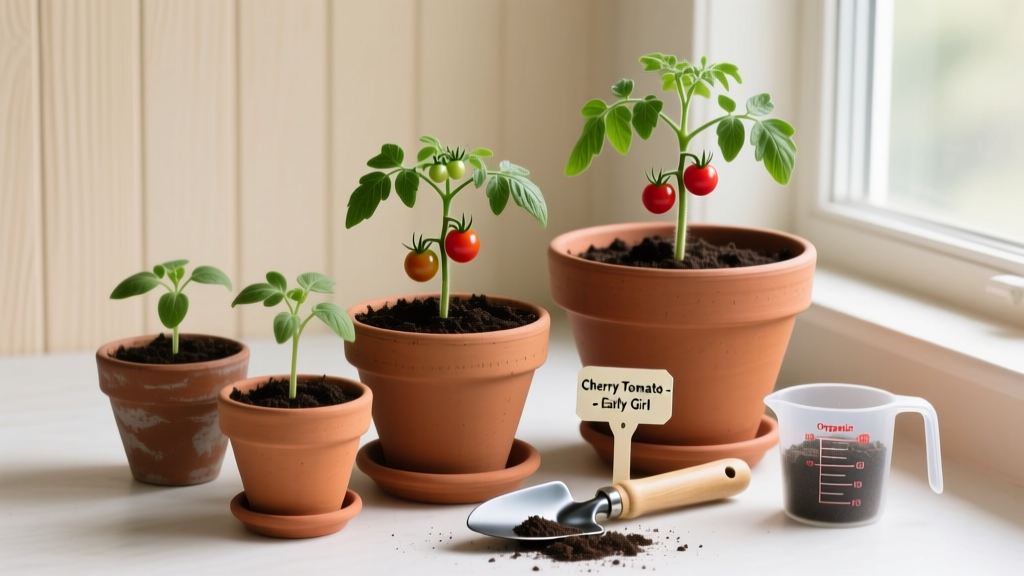
The Beginner Guide to Growing Cherry Tomatoes in Pots
James MillerPublished
Why Cherry Tomatoes Are Perfect for Beginners
Embracing the garden-to-table lifestyle is one of the most rewarding ways to bridge your indoor and outdoor living spaces. For beginners, cherry tomatoes are the ultimate gateway crop. Unlike their larger, more temperamental beefsteak cousins, cherry tomatoes are prolific, fast-growing, and highly forgiving of minor gardening mistakes. They thrive in small spaces, making them ideal for patios, balconies, and sunny windowsills. Whether you are looking to add fresh ingredients to your summer salads or want a healthy snack straight from the vine, growing cherry tomatoes in containers is a highly accessible and deeply satisfying DIY garden project.
Cherry tomatoes typically fall into two growth categories: determinate (bush) and indeterminate (vining). For container gardening, determinate varieties like 'Patio Princess' or 'Tiny Tim' are excellent choices because they grow to a compact, predetermined size and produce their fruit all at once. However, if you have the vertical space for a tall cage or trellis, indeterminate varieties like 'Sweet 100' or 'Sun Gold' will provide a continuous harvest from early summer right up to the first autumn frost.
Choosing the Right Container and Soil
Container Size and Drainage
The biggest mistake beginners make when growing tomatoes in pots is choosing a container that is too small. Tomatoes have extensive, aggressive root systems that require ample space to access water and nutrients. For a single cherry tomato plant, you need a container that holds a minimum of 5 gallons of soil, with a depth of at least 12 to 14 inches. Fabric grow bags are highly recommended over traditional plastic or terracotta pots. Fabric bags promote 'air pruning,' which prevents roots from becoming bound and circling the bottom of the pot, resulting in a healthier, more robust root network. Ensure whatever container you choose has multiple drainage holes at the base; tomatoes despise sitting in waterlogged soil, which quickly leads to root rot.
The Ideal Potting Mix Recipe
Never use garden soil or topsoil for container growing. Garden soil is too dense, compacts easily in a pot, and can harbor soil-borne diseases and weed seeds. Instead, you need a lightweight, well-draining, and nutrient-rich potting mix. You can buy a premium organic potting mix, or you can save money and mix your own using this simple, beginner-friendly recipe:
- 1/3 Peat Moss or Coco Coir: For moisture retention and a light, fluffy texture.
- 1/3 High-Quality Compost: To provide a slow release of organic nutrients and beneficial microbes.
- 1/3 Perlite or Pumice: To ensure adequate drainage and aeration for the root zone.
Mix these ingredients thoroughly in a wheelbarrow or large tote before filling your containers. Leave about two inches of space from the top of the pot to allow for easy watering and mulching.
Step-by-Step Planting Guide
Timing is everything when transplanting tomatoes. Wait until all danger of frost has passed and nighttime temperatures are consistently above 50°F (10°C). When you are ready to plant, follow these actionable steps:
- Prepare the Hole: Dig a hole in your prepared container mix that is deep enough to bury the tomato seedling up to its top set of true leaves.
- Bury the Stem: Tomatoes have the unique ability to sprout adventitious roots from their stems. By burying the lower portion of the stem, you drastically increase the plant's root mass, leading to better water uptake and stability.
- Backfill and Water: Gently firm the soil around the buried stem and water deeply until you see moisture flowing freely out of the bottom drainage holes.
- Install Support Early: Insert a sturdy tomato cage or a 6-foot wooden stake into the pot at the time of planting. Doing this later risks severing the newly established root system.
Watering, Feeding, and Maintenance
Container plants dry out much faster than those in the ground. During the peak heat of summer, you may need to water your cherry tomatoes every single day, and sometimes twice a day if temperatures exceed 90°F. The goal is to keep the soil consistently moist but never soggy. A good rule of thumb is to stick your finger two inches into the soil; if it feels dry, it is time to water. Applying a two-inch layer of organic mulch, such as straw or shredded leaves, on top of the soil will drastically reduce evaporation and keep root temperatures stable.
Because frequent watering flushes nutrients out of the potting mix, container tomatoes are heavy feeders. Start fertilizing two weeks after transplanting. Use a balanced, water-soluble organic fertilizer formulated specifically for tomatoes, such as a 4-7-10 N-P-K ratio. The lower nitrogen and higher phosphorus and potassium levels will encourage abundant flowering and fruit set rather than just leafy green growth. Apply the fertilizer every two weeks according to the package directions.
According to the Cornell University College of Agriculture and Life Sciences, container-grown tomatoes are highly susceptible to blossom end rot—a condition where the bottom of the fruit turns black and leathery. This is primarily caused by a calcium deficiency brought on by inconsistent watering, which hinders the plant's ability to uptake calcium from the soil. Maintaining uniform, daily soil moisture is the most effective prevention strategy.
Common Pests and Troubleshooting
Even with the best care, outdoor plants can attract unwanted guests. Here is a quick troubleshooting guide for common cherry tomato issues:
- Tomato Hornworms: These large, green caterpillars can strip a plant of its leaves overnight. Hand-pick them off and drop them into a bucket of soapy water.
- Aphids: Tiny sap-sucking insects that cluster on new growth. Blast them off with a strong jet from your garden hose or apply a neem oil spray in the early evening.
- Yellowing Lower Leaves: Often a sign of nitrogen deficiency or early blight. Remove the affected leaves immediately to improve airflow and apply a dose of liquid fertilizer.
- Flower Drop: If blossoms fall off without setting fruit, it is usually due to extreme temperature fluctuations or inadequate pollination. Gently shaking the plant's main stem during midday can help distribute pollen.
Budget Breakdown: What Will This Cost?
Starting a container tomato garden is incredibly cost-effective, especially when compared to the price of organic, vine-ripened cherry tomatoes at the grocery store. Below is a realistic budget breakdown for a single high-yield patio setup.
| Item | Estimated Cost | Beginner Notes |
|---|---|---|
| 5-Gallon Fabric Grow Bag | $8.00 - $12.00 | Reusable for multiple seasons if stored indoors during winter. |
| Organic Potting Mix (1.5 cu ft) | $15.00 - $20.00 | One bag is usually enough to fill two 5-gallon containers. |
| Cherry Tomato Seedling | $4.00 - $6.00 | Buy from a local nursery to ensure it is acclimated to your climate. |
| Organic Tomato Fertilizer | $10.00 - $15.00 | A single bottle or box will last the entire growing season. |
| Heavy-Duty Tomato Cage | $12.00 - $18.00 | Invest in thick gauge steel; flimsy wire cages will collapse under the weight of indeterminate vines. |
| Total Estimated Cost | $49.00 - $71.00 | Yields 10-20 lbs of tomatoes, saving money and reducing plastic packaging waste. |
Harvesting and Garden-to-Table Tips
Cherry tomatoes are ready to harvest when they have reached their full, deep color (whether red, yellow, or purple) and yield slightly to a gentle squeeze. The best time to pick them is in the early morning when the sugar content is highest and the fruit is cool. Use a pair of clean pruning snips to cut the stem just above the fruit to avoid damaging the delicate vine.
To celebrate your first harvest, try this simple, zero-waste garden-to-table bruschetta. Dice one pint of your freshly picked cherry tomatoes and toss them in a bowl with two tablespoons of extra virgin olive oil, one minced garlic clove, a pinch of flaky sea salt, and a handful of freshly torn basil leaves from your herb garden. Let the mixture sit at room temperature for twenty minutes to allow the juices to meld, then spoon it generously over thick slices of toasted sourdough bread rubbed with raw garlic. This simple recipe highlights the vibrant, sun-warmed flavor that only homegrown produce can provide, perfectly completing the journey from your patio container to your dining table.
