Home & Garden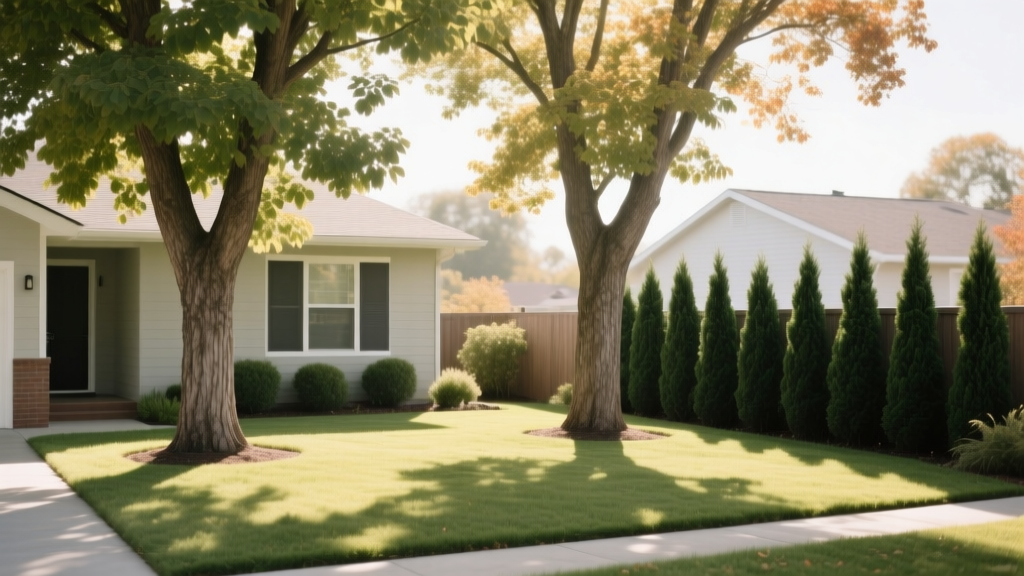
Energy-Efficient Landscape Design: Strategic Tree Placement
Lisa ThompsonPublished
Introduction to Energy-Efficient Landscaping
When homeowners think of landscape design, they often envision lush garden-to-table vegetable beds, stylish outdoor furniture, or vibrant seasonal flower borders. However, one of the most impactful and financially rewarding design strategies bridges the gap between your yard and your home's internal climate: energy-efficient landscaping. By strategically planning the placement of trees, shrubs, and hardscaping elements, you can significantly reduce your home's heating and cooling costs. According to the U.S. Department of Energy (DOE), a well-designed energy-efficient landscape can reduce a home's air conditioning costs by 15% to 50% and heating costs by up to 25%.
This guide focuses on the design and planning phase of passive solar landscaping, providing actionable measurements, species recommendations, and cost estimates to help you transform your yard into a climate-regulating asset.
The Science of Passive Solar Landscaping
Passive solar landscaping relies on understanding the sun's arc and prevailing winter winds. The goal is twofold: block the intense, high-angle summer sun from hitting your home's exterior and windows, while allowing the low-angle winter sun to penetrate and warm your living spaces. Simultaneously, you must manage airflow to either encourage cooling summer breezes or block biting winter winds.
Summer Shading Strategies
The most critical areas to shade are the east and west-facing walls and windows. The south-facing side receives high-angle sun in the summer, which is easily blocked by standard roof overhangs, but the low-angle morning and late-afternoon sun on the east and west sides penetrates deeply into the home, causing significant solar heat gain.
- Timing and Angle: Plant deciduous trees that will cast shadows over east-facing windows from 7:00 AM to 11:00 AM, and west-facing windows from 3:00 PM to 7:00 PM during peak summer months.
- Distance from Foundation: To prevent root damage to your foundation and allow for proper air circulation, plant large shade trees at least 15 to 25 feet away from the house.
- The Evapotranspiration Effect: Trees do not just cast shade; they actively cool the surrounding air. Through evapotranspiration, a single large tree can transpire up to 400 gallons of water a day, lowering ambient air temperatures by up to 9 degrees Fahrenheit compared to unshaded concrete areas.
Winter Windbreaks
In colder climates, winter winds stripping heat from your home's exterior (the wind chill effect) can drastically increase heating bills. A well-planned windbreak creates a sheltered microclimate on the leeward side of the planting.
- Placement: Plant windbreaks on the north and northwest sides of your property, where prevailing winter winds typically originate.
- Optimal Distance: The maximum wind reduction occurs at a distance of 2 to 5 times the mature height of the trees downwind. Therefore, plant your windbreak row 50 to 100 feet away from the home if using trees that mature to 20 feet tall.
- Density: Aim for a windbreak with 50% to 60% density. A completely solid wall of evergreens creates turbulent downdrafts, whereas a semi-permeable barrier filters and slows the wind effectively.
Strategic Planting Zones and Specifications
Proper planning requires matching the right plant type to the correct zone around your home. Below is a structured planning matrix to guide your purchasing and layout design.
| Zone / Direction | Primary Function | Ideal Plant Type | Distance from House | Est. Cost (Per Plant) |
|---|---|---|---|---|
| East / West | Summer Solar Shading | Large Deciduous Trees | 15 - 25 feet | $150 - $350 (15-gal) |
| South | Winter Solar Gain / Summer Roof Shade | Deciduous Trees (High branching) | 25 - 40 feet | $200 - $400 (B&B) |
| North / Northwest | Winter Windbreak | Dense Evergreen Trees & Shrubs | 50 - 100 feet | $80 - $150 (5-gal) |
| Immediate Foundation | Insulation & Dead Air Space | Low-growing Evergreen Shrubs | 2 - 4 feet | $30 - $60 (3-gal) |
Note: Costs are estimates based on national nursery averages for mid-sized specimens. B&B stands for Balled and Burlapped.
Selecting the Right Plant Species
Choosing the correct species is vital for long-term success, minimizing maintenance, and avoiding structural damage. Always consult your local university cooperative extension for native species recommendations, as they are adapted to your specific hardiness zone and require less supplemental irrigation.
Top Deciduous Trees for Summer Shading
- Red Maple (Acer rubrum): Offers a broad, dense canopy for excellent shade and stunning fall color. Grows 40-60 feet tall.
- Oak Species (Quercus spp.): White and Red oaks are incredibly durable, long-lived, and provide massive shade canopies. Ensure they are planted far enough from driveways to avoid root heaving.
- Hackberry (Celtis occidentalis): A highly adaptable, drought-tolerant tree that thrives in urban environments and provides great dappled shade.
Top Evergreens for Windbreaks and Foundation Insulation
- Eastern Red Cedar (Juniperus virginiana): An excellent, dense windbreak tree that tolerates poor soils and harsh winters.
- Arborvitae (Thuja occidentalis): Perfect for creating tight, tall windbreaks or privacy screens in narrower yards.
- Boxwood (Buxus spp.): Ideal for foundation plantings. Planting low-growing evergreen shrubs 2 to 3 feet from your foundation creates a pocket of 'dead air' that acts as an additional layer of insulation against both summer heat and winter cold.
Hardscaping and Ground Cover for Thermal Mass
Design ideas for energy efficiency extend beyond plants. The materials you choose for patios, walkways, and driveways significantly impact the ambient temperature around your home through the 'albedo effect' and thermal mass.
- Light-Colored Hardscaping: Dark asphalt and concrete absorb up to 90% of solar radiation, radiating heat back at your home. Opt for light-colored permeable pavers, crushed gravel, or stamped concrete with a light sealant to reflect sunlight.
- Living Ground Covers: Replace heat-absorbing mulch or bare dirt near south-facing windows with creeping thyme, sedum, or native grasses. Turfgrass and ground covers can be up to 30 degrees cooler than artificial turf or bare concrete on a hot summer day.
- Trellises and Pergolas: If you lack the space or time for a tree to mature, install a wooden pergola over west-facing patios and train deciduous climbing vines (like Boston Ivy or Clematis) over it. This provides immediate summer shade while allowing winter sunlight to pass through once the leaves drop.
Smart Home Integration for Landscape Management
To maximize the efficiency of your new landscape, integrate smart home technology. Newly planted shade trees and windbreaks require consistent watering to establish deep root systems.
- Smart Irrigation Controllers: Devices like the Rachio 3 or Orbit B-hyve connect to local weather stations via Wi-Fi. They automatically skip watering cycles if rain is forecasted or if soil moisture sensors indicate adequate hydration, saving up to 50% on outdoor water usage.
- Solar-Powered Pathway Lighting: Illuminate your newly designed garden paths with high-lumen, warm-white solar LED fixtures. This extends the usability of your outdoor living spaces into the evening without increasing your electrical load.
Cost vs. ROI: What to Expect
Investing in an energy-efficient landscape design requires upfront capital, but the return on investment is measurable and compounding. According to the U.S. Department of Energy, the average household spends roughly $2,000 annually on heating and cooling. A comprehensive passive solar landscape design can save 20% on these costs, equating to $400 per year.
If you invest $2,500 in purchasing and planting mature specimen trees and smart irrigation controls, the system will pay for itself in approximately 6 to 7 years through utility savings alone. Furthermore, mature, well-placed trees can increase overall property values by 7% to 19%, according to the USDA Forest Service, making this one of the most financially sound outdoor design projects a homeowner can undertake.
Conclusion
Designing an energy-efficient landscape is a masterclass in working with nature rather than against it. By carefully planning the placement of deciduous shade trees, evergreen windbreaks, and reflective hardscaping, you create a beautiful outdoor living space that actively protects your home from the elements. Start with a site analysis, map your sun and wind patterns, and choose native species that will thrive for decades. Your garden will not only feed your soul and your table but also safeguard your home's energy footprint for years to come.
