Home & Garden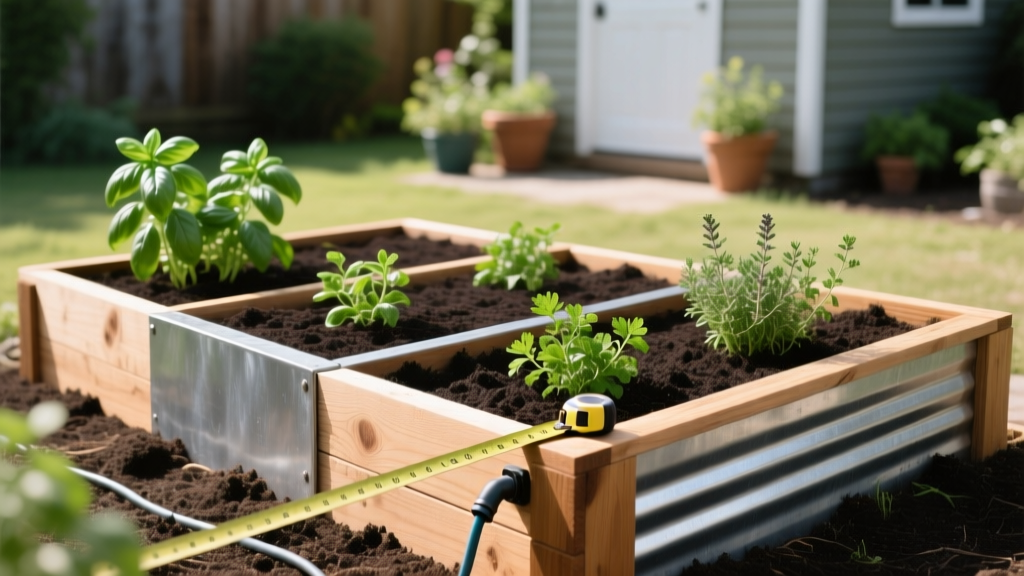
The Ultimate Cost Guide to Building Raised Garden Beds
Mike RodriguezPublished
Transitioning to a garden-to-table lifestyle is one of the most rewarding home and garden projects you can undertake. However, the initial investment required to establish a productive vegetable garden can catch new homeowners off guard. Raised garden beds have become the gold standard for backyard farming, offering superior drainage, better soil control, and reduced weed pressure. But how much should you realistically budget to build and fill a raised bed?
In this comprehensive cost and budgeting guide, we break down every expense associated with building raised garden beds. From lumber and galvanized steel to bulk soil deliveries and smart drip irrigation, you will learn exactly where your money goes and how to optimize your landscaping budget without sacrificing quality or yield.
Comparing Raised Bed Materials: Cost and Longevity
The structural material of your raised bed represents the most visible portion of your budget. Your choice will impact not only the upfront cost but also the long-term replacement cycle. When evaluating materials, homeowners must balance aesthetic appeal, durability, and budget constraints.
Untreated Cedar and Redwood
Cedar and redwood are the traditional favorites for garden beds due to their natural resistance to rot and insects. While they offer a beautiful, classic aesthetic that blends seamlessly into outdoor living spaces, they are also the most expensive wood options. A standard 4x8-foot cedar bed typically requires three 2x10-inch boards cut in half and corner posts, pushing the material cost well over $150 just for the wood.
Galvanized Steel Troughs
Galvanized steel beds have surged in popularity for modern farmhouse and contemporary garden designs. They are incredibly durable, often lasting decades without degrading. While the upfront cost is comparable to cedar, the lack of required maintenance and the extended lifespan make them a highly cost-effective choice over a twenty-year horizon.
Composite and Recycled Plastic Lumber
Composite boards, made from recycled plastics and wood fibers, offer a zero-maintenance alternative. They will never rot, splinter, or require sealing. However, the initial investment is steep, often costing double that of standard pine or fir. For budget-conscious gardeners, composite is usually reserved for small herb gardens near the patio rather than large-scale vegetable production.
| Material Type | Estimated Cost (4x8 Bed) | Expected Lifespan | Best For |
|---|---|---|---|
| Untreated Pine or Fir | $60 - $90 | 3 - 5 Years | Temporary or low-budget setups |
| Galvanized Steel | $120 - $180 | 20+ Years | Modern aesthetics, long-term ROI |
| Western Red Cedar | $160 - $250 | 10 - 15 Years | Classic garden-to-table designs |
| Composite Lumber | $250 - $400 | 25+ Years | Zero-maintenance patio gardens |
The Hidden Cost: Soil and Amendments
The most common budgeting mistake homeowners make is underestimating the cost of soil. A raised bed is only as productive as the growing medium inside it. To calculate your soil needs, use the formula: Length x Width x Height = Volume in cubic feet. For a standard 4-foot by 8-foot bed that is 10 inches deep, you will need approximately 27 cubic feet of soil.
Purchasing soil in individual 1.5-cubic-foot bags from a big-box home improvement store is the most expensive route, often costing upwards of $6 to $8 per bag. For a single bed, that equates to $108 to $144 just for basic potting mix. Instead, budget-savvy gardeners should order bulk soil from local landscape supply yards.
The Ideal Soil Mix Ratio
According to the University of Maryland Extension, a highly productive raised bed soil mix should avoid heavy topsoil, which can compact and restrict root growth in confined spaces. They recommend a blend that promotes drainage while retaining moisture and nutrients. A widely accepted and budget-friendly recipe is the Mel's Mix or a modified loam-compost blend:
- 50% High-Quality Compost: Provides essential nutrients and microbial life. Sourcing this from a local municipal composting facility can drastically reduce costs.
- 30% Coarse Peat Moss or Coconut Coir: Acts as a sponge for water retention. Coconut coir is increasingly preferred as a sustainable, renewable alternative to peat.
- 20% Coarse Vermiculite or Perlite: Ensures proper aeration and drainage, preventing root rot during heavy spring rains.
Bulk landscape yards typically sell a garden mix or raised bed blend by the cubic yard, which equals 27 cubic feet. Depending on your region, a cubic yard of premium organic raised bed mix will cost between $45 and $80, plus a delivery fee ranging from $50 to $100. If you have multiple beds, splitting a delivery with a neighbor is an excellent way to amortize the transportation cost.
Irrigation, Hardware, and Accessories
To truly bridge the gap between a hobby garden and a reliable garden-to-table food source, automated irrigation is a necessity. Hand-watering is time-consuming and often leads to inconsistent moisture levels, which can cause blossom end rot in tomatoes or split radishes.
Drip Irrigation Budgeting
A basic drip irrigation kit for a single 4x8 raised bed costs between $30 and $50. These kits typically include a pressure regulator, a hose connector, mainline tubing, and drip tape or emitters. For smart home integration, add a Wi-Fi-enabled hose timer, which costs an additional $40 to $80. This allows you to adjust watering schedules remotely based on real-time local weather data, saving water and protecting your landscape budget.
Hardware and Fasteners
Do not forget the exterior-grade hardware required to assemble the bed. Standard galvanized or stainless-steel deck screws are mandatory to prevent rust stains and structural failure. Budget approximately $15 for a box of exterior structural screws. Additionally, consider investing $20 in heavy-duty corner brackets or mending plates to reinforce the joints, especially if you are building beds taller than 12 inches, where the hydrostatic pressure of wet soil can bow the wood.
Complete Budget Breakdown: Standard 4x8 Cedar Bed
Below is a realistic, itemized budget for constructing and filling one premium 4-foot by 8-foot cedar raised bed, equipped with basic drip irrigation. Prices reflect national averages and may fluctuate based on local lumber markets and seasonal supply chain variables.
| Line Item | Quantity / Details | Estimated Cost |
|---|---|---|
| Western Red Cedar Lumber | Three 2x10x8 boards | $165.00 |
| Corner Posts and Hardware | 4x4 cedar posts and exterior screws | $25.00 |
| Bulk Raised Bed Soil | 1 Cubic Yard (delivered) | $110.00 |
| Organic Granular Fertilizer | 1 Bag (e.g., Espoma Garden-tone) | $18.00 |
| Drip Irrigation Kit | Basic 4x8 drip tape kit | $35.00 |
| Cardboard / Weed Barrier | Recycled corrugated cardboard | $0.00 |
| Total Estimated Cost | Per 4x8 Raised Bed | $353.00 |
Proven Strategies to Reduce Your Garden Budget
If a $350+ price tag per bed exceeds your current home maintenance budget, there are several highly effective strategies to reduce costs while maintaining a thriving garden-to-table ecosystem.
1. The Hugelkultur Method
Fill the bottom third of your raised bed with decaying logs, branches, and twigs before adding soil. This traditional technique, known as Hugelkultur, significantly reduces the volume of expensive soil you need to purchase. As the wood breaks down, it acts like a sponge, retaining moisture and slowly releasing nutrients back into the root zone.
2. Source Free Municipal Compost
Many city and county waste management facilities offer free or heavily discounted compost made from recycled yard waste. While you may need to provide your own shovel and buckets, the savings are substantial. Always verify that the municipal compost is tested for heavy metals and persistent herbicides before using it in edible gardens.
3. Buy Lumber in the Off-Season
Lumber prices are highly volatile and typically peak in the early spring when the gardening rush begins. By purchasing your cedar, redwood, or composite boards in late autumn or mid-winter, you can often save 15% to 20% on your structural materials. Store the wood in a dry garage until the ground thaws and you are ready to build.
4. Start Plants from Seed
Purchasing starter plants from a nursery costs between $4 and $6 per plant. A single packet of organic heirloom seeds costs roughly $3 and contains 25 to 50 seeds. By investing in a $20 seed-starting kit and grow lights indoors six weeks before your last frost date, you can propagate hundreds of dollars worth of tomatoes, peppers, and brassicas for pennies on the dollar.
Final Thoughts on Garden Budgeting
Building a raised garden bed is a foundational investment in your home's outdoor living space and your family's health. While the upfront costs of premium materials and bulk soil can seem daunting, the long-term return on investment, measured in organic produce yields, reduced grocery bills, and the therapeutic benefits of gardening, makes it a worthwhile addition to any property. By carefully selecting your materials, sourcing soil intelligently, and leveraging smart irrigation, you can create a stunning, budget-friendly garden that will serve your home for years to come.
