Pest Control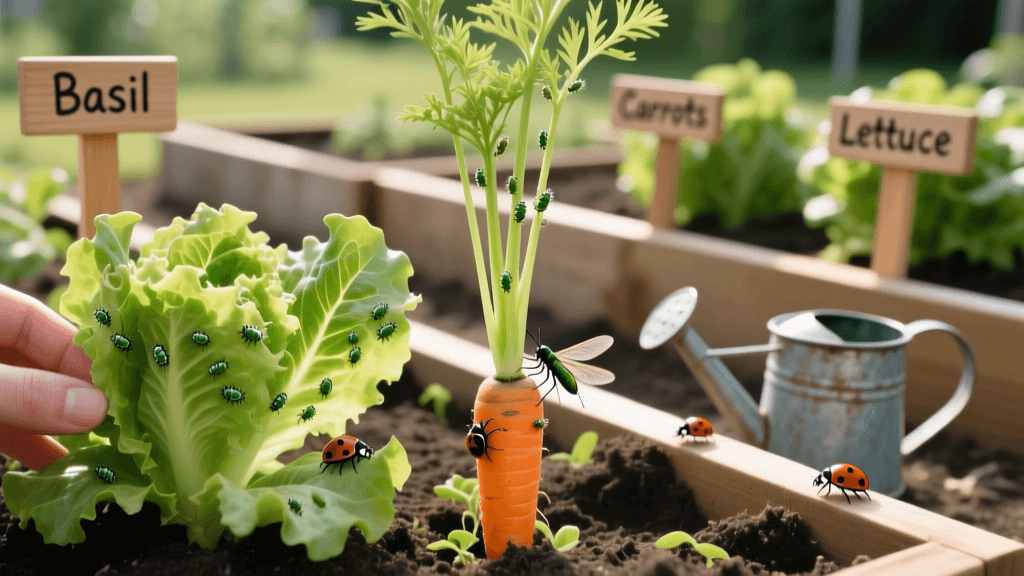
Beginner's Guide to Controlling Aphids on Vegetables
Welcome to the Garden: Meet the Aphid
Starting your first vegetable garden is an exciting milestone. You have prepared the soil, planted your seeds, and watched your tomatoes, peppers, and leafy greens sprout. However, every beginner gardener eventually encounters their first major hurdle: pests. Among the most common and frustrating of these are aphids. Often called plant lice, these tiny, sap-sucking insects can quickly overwhelm a vulnerable garden if left unchecked. Fortunately, managing aphids does not require a degree in entomology or a cabinet full of harsh synthetic chemicals. By adopting a Beginner-Friendly Integrated Pest Management (IPM) approach, you can protect your harvest safely, effectively, and on a budget.
How to Identify Aphids and Their Damage
Before you can fight the enemy, you must be able to identify them. Aphids are minuscule, pear-shaped insects that typically measure less than a quarter-inch in length. They congregate in dense colonies on the tender new growth of plants, the undersides of leaves, and along stems. While they are most commonly green, aphids can also be black, yellow, red, or brown, depending on the species and their host plant.
One of the most distinctive features of an aphid is the presence of two tiny tube-like structures on their hindquarters called cornicles. According to the University of California Agriculture and Natural Resources (UC ANR), these cornicles secrete a defensive fluid that helps distinguish aphids from other small insects like leafhoppers or whiteflies.
Signs of an Aphid Infestation:
- Distorted Growth: Leaves may appear curled, puckered, or yellowed as aphids drain the plant of vital nutrients.
- Honeydew: Aphids excrete a sticky, sugar-rich substance known as honeydew. If your plant leaves feel unusually sticky, aphids are likely present.
- Sooty Mold: A black, powdery fungus often grows on the honeydew, blocking sunlight and reducing the plant's ability to photosynthesize.
- Ant Activity: Ants are notorious for 'farming' aphids to harvest their honeydew. If you see a trail of ants marching up your tomato stalks, check the undersides of the leaves immediately.
The Beginner's IPM Strategy for Aphid Control
Integrated Pest Management (IPM) is a holistic approach that focuses on long-term prevention and uses chemical treatments only as a last resort. For beginners, IPM is the gold standard because it protects your soil health, preserves beneficial pollinators, and keeps your vegetables safe to eat. Let us break down the four pillars of aphid IPM.
Step 1: Prevention and Cultural Controls
The best way to handle an aphid infestation is to prevent it from happening in the first place. Aphids are highly attracted to plants with lush, soft, nitrogen-rich new growth. As a beginner, it is tempting to over-fertilize with high-nitrogen synthetic feeds, but this essentially rolls out the red carpet for aphids. Instead, use slow-release organic fertilizers like compost or worm castings.
Another highly effective, low-cost preventative measure is the use of reflective mulches. The Colorado State University Extension notes that reflective mulches, such as aluminum foil or specialized silver plastic, disorient flying aphids by reflecting ultraviolet light, making it difficult for them to locate their host plants. Laying down a layer of heavy-duty aluminum foil around the base of your young transplants costs less than $10 and can drastically reduce early-season colonization.
Step 2: Mechanical and Physical Controls
If you spot a few aphids, do not panic. You can often resolve the issue using nothing more than your garden hose. Aphids are incredibly weak and cannot easily climb back up a plant once dislodged. Use a nozzle with a 'jet' or 'shower' setting to blast the undersides of the leaves with a sharp stream of water. Do this early in the morning so the foliage has time to dry in the sun, preventing fungal diseases.
For heavily infested terminal shoots or individual leaves that are severely curled and damaged, simply grab a pair of sterilized pruning shears and snip them off. Drop the clippings into a bucket of soapy water to ensure the aphids are destroyed, rather than tossing them onto your compost pile where they might survive.
Step 3: Biological Controls (Nature's Army)
You do not have to fight aphids alone. Nature has provided an army of beneficial insects that view aphids as an all-you-can-eat buffet. Lady beetles (ladybugs), green lacewings, and parasitic wasps are voracious aphid predators. You can attract these allies by planting companion flowers like sweet alyssum, dill, yarrow, and cosmos near your vegetable beds.
Many beginners opt to purchase live ladybugs from garden centers to release into their yards. While this can be fun, it is important to release them at dusk after watering the garden, as they will immediately fly away if released during the heat of the day or in a dry environment. Alternatively, purchasing green lacewing eggs online (usually around $15 to $25 for a batch) provides a more reliable, long-term predatory presence, as the larvae are even more aggressive aphid hunters than adult ladybugs.
Step 4: Organic Chemical Controls
When cultural, mechanical, and biological methods are not enough to save a prized crop, it is time to step in with organic sprays. These are safe for humans and pets when used correctly, but they still require precise timing and application.
1. DIY Insecticidal Soap
Insecticidal soaps work by penetrating the soft outer shell of the aphid, causing it to dehydrate and die. You can buy commercial insecticidal soaps for about $10 to $15, or you can make your own. Mix 1 tablespoon of pure liquid castile soap (such as Dr. Bronner's peppermint or unscented) with 1 quart of water in a spray bottle. Warning: Never use dish detergents or degreasers, as these will strip the protective waxy cuticle off your plant's leaves and cause severe chemical burns.
2. Cold-Pressed Neem Oil
Neem oil is derived from the seeds of the neem tree and acts as both a repellent and a growth disruptor for insects. A 16-ounce bottle of cold-pressed neem oil costs around $15 to $20 and will last a beginner gardener multiple seasons. Mix 1 to 2 tablespoons of neem oil and 1 teaspoon of castile soap (as an emulsifier) into 1 gallon of water. Shake vigorously.
Crucial Application Rules: Always apply horticultural oils and soaps at dawn or dusk. Spraying during the heat of the day will cause the sun to magnify through the liquid and scorch your leaves. Furthermore, spraying at dusk ensures you do not accidentally hit foraging honeybees, as these organic sprays can harm bees on direct contact but are safe once they dry.
Comparison Chart: Beginner Aphid Treatment Options
| Treatment Method | Estimated Cost | Speed of Results | Impact on Beneficial Insects | Best Used For |
|---|---|---|---|---|
| Water Blast (Hose) | Free | Immediate (Temporary) | None | Light, early-stage infestations |
| Reflective Mulch | $10 - $30 | Preventative | None | Young transplants and seedlings |
| DIY Insecticidal Soap | $5 - $10 | 1 - 3 Days | Low (Contact only) | Targeted spot treatments |
| Neem Oil Spray | $15 - $20 | 3 - 7 Days | Low (If applied at dusk) | Persistent, widespread colonies |
| Lacewing/Ladybug Release | $15 - $30 | 1 - 2 Weeks | Positive (Adds predators) | Large gardens with established flora |
Final Thoughts for the Beginner Gardener
Encountering aphids is a rite of passage for every gardener. By shifting your mindset from 'eradication' to 'management,' you will build a more resilient garden ecosystem. Monitor your plants twice a week, catch infestations early with a blast of water, and reserve your organic sprays for severe outbreaks. As highlighted by the University of Minnesota Extension, maintaining plant health through proper watering and moderate fertilization is your strongest long-term defense against sap-sucking pests. With patience and these beginner-friendly IPM strategies, your vegetable garden will thrive, and your harvest will be bountiful and pest-free.