Pest Control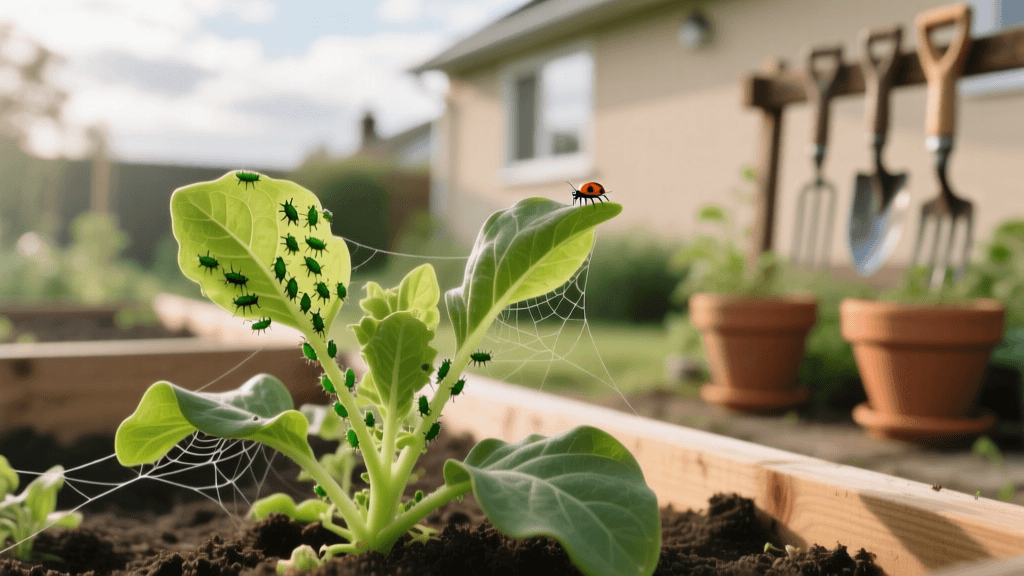
A Beginner's Guide to Controlling Aphids in the Garden
Every new gardener eventually faces their first pest invasion. If you are just starting your journey into growing your own vegetables, herbs, and ornamental flowers, you will soon discover that you are not the only one interested in your harvest. Among the myriad of garden pests, aphids are practically a rite of passage for beginners. These tiny, sap-sucking insects can quickly overwhelm tender new growth, leaving you frustrated and wondering where you went wrong. Fortunately, managing aphids does not require a degree in entomology or a cabinet full of harsh synthetic chemicals. By adopting an Integrated Pest Management (IPM) approach, you can protect your garden effectively and safely.
Understanding Aphids: The Beginner's First Foe
Aphids are small, soft-bodied, pear-shaped insects that come in a variety of colors, including green, black, red, and yellow. They feed by inserting their piercing-sucking mouthparts into the phloem of plants, draining the vital sap needed for growth. As they feed, they excrete a sticky, sugar-rich substance known as honeydew. This honeydew not only attracts nuisance ants but also serves as a breeding ground for sooty mold, a black fungus that blocks sunlight and hinders photosynthesis. According to the University of California Statewide Integrated Pest Management Program, aphids reproduce at an astonishing rate, with females capable of giving birth to live young without mating, allowing populations to explode in a matter of weeks during the warm spring and summer months.
Spotting the Signs Early
Early detection is the cornerstone of successful pest control. Make it a habit to inspect your garden at least twice a week. Look for the following telltale signs:
- Curling, distorted, or yellowing leaves, particularly on new shoots.
- Clusters of tiny insects on the undersides of leaves or along tender stems.
- A sticky residue on leaves or the ground beneath the plant.
- The presence of ants marching up and down plant stems.
The relationship between ants and aphids is a fascinating but frustrating one for gardeners. Ants actually farm aphids, protecting them from predators like ladybugs in exchange for the sweet honeydew they produce. If you see ants on your plants, an aphid infestation is almost certainly nearby.
Beginner-Friendly Aphid Prevention Strategies
The best way to handle a pest problem is to prevent it from happening in the first place. Aphids are highly attracted to plants with lush, sappy new growth, which is often the result of excessive nitrogen fertilization. Avoid using high-nitrogen, quick-release synthetic fertilizers. Instead, opt for slow-release organic options like Espoma Garden-tone or Dr. Earth All-Purpose Fertilizer, which provide a steady supply of nutrients without triggering the rapid, vulnerable growth spurts that aphids love. Additionally, ensure your plants are properly spaced to encourage good air circulation, and keep the garden free of weeds, which can serve as alternate hosts for aphids before they migrate to your prized crops.
Organic and Chemical Treatment Options
When prevention fails and an infestation takes hold, it is time to intervene. The University of Minnesota Extension recommends starting with the least toxic methods and escalating only if necessary. Below is a comparison chart of the most effective beginner-friendly treatments.
| Treatment Method | Active Ingredient | Est. Cost | Difficulty | Best Use Case |
|---|---|---|---|---|
| Strong Water Spray | H2O | $0 | Easy | Light, early infestations; knocks aphids off plants. |
| Insecticidal Soap | Potassium salts of fatty acids | $10-$15 | Easy | Moderate infestations; disrupts insect cell membranes. |
| Neem Oil | Azadirachtin / Clarified Hydrophobic Extract | $15-$20 | Moderate | Persistent issues; acts as a repellent and growth disruptor. |
| Pyrethrin Spray | Pyrethrins (botanical) | $12-$18 | Moderate | Severe outbreaks; use as a last resort to protect pollinators. |
When applying insecticidal soaps or neem oil, timing is everything. Always spray in the early evening or late afternoon to avoid direct, hot sunlight, which can cause phytotoxicity (leaf burn). Ensure you thoroughly coat the undersides of the leaves where aphids congregate. As noted by the Environmental Protection Agency (EPA), even organic and botanical pesticides must be used according to the label instructions to ensure safety for you, your plants, and local wildlife.
Common Mistakes Beginners Make
When faced with a sudden aphid outbreak, panic often leads to poor decisions. One of the most common mistakes beginners make is immediately reaching for broad-spectrum synthetic insecticides. While these chemicals may kill aphids quickly, they also wipe out the beneficial predator insects that keep pest populations in check naturally. Without ladybugs and lacewings, the aphids will inevitably return in even greater numbers, leading to a frustrating cycle of chemical dependency. Another frequent error is spraying plants during the heat of the day. Oils and soaps applied under intense midday sun can magnify light and trap heat, causing severe leaf burn and stressing the plant further. Finally, many new gardeners give up on a treatment after just one application. Contact sprays like insecticidal soap only kill the insects they directly hit. Because aphids reproduce so rapidly, you must commit to a schedule of reapplying the treatment every five to seven days to break their reproductive cycle and catch the newly hatched nymphs.
Recruiting Nature's Army: Beneficial Insects
One of the most rewarding aspects of organic gardening is learning to work alongside nature. Beneficial insects are your best allies in the fight against aphids. Lady beetles (ladybugs) and green lacewings are voracious aphid predators. A single ladybug can consume up to 50 aphids a day. To attract these helpful insects to your garden, plant a diverse array of nectar and pollen-rich flowers. Sweet alyssum, yarrow, dill, fennel, and cosmos are excellent choices. By creating a welcoming habitat, you establish a natural, self-sustaining pest control system that requires zero effort on your part once established.
A 7-Day Action Plan for Your First Infestation
If you have just spotted your first aphid colony, follow this simple, step-by-action plan to regain control of your garden without panicking.
- Day 1: Inspect and Blast. Identify the extent of the infestation. Use a garden hose with a nozzle attachment to blast the aphids off the plants with a strong stream of water. Most dislodged aphids cannot find their way back to the plant.
- Day 2: Prune and Protect. Prune away any severely damaged or heavily colonized plant tips and dispose of them in the trash, not the compost bin. Apply a sticky barrier like Tanglefoot around the base of woody plants or tree trunks to stop ants from climbing up to protect the remaining aphids.
- Day 3: Apply Insecticidal Soap. Mix a ready-to-use insecticidal soap and spray the affected plants thoroughly, focusing on the undersides of the leaves.
- Day 5: Monitor and Reapply. Check the plants for surviving aphids. If the population is still active, apply a second round of insecticidal soap.
- Day 7: Assess and Companion Plant. Evaluate the damage and the recovery of your plants. Visit a local nursery and purchase sweet alyssum or yarrow to plant nearby, signaling to beneficial insects that your garden is open for business.
Integrated Pest Management is not about total eradication; it is about managing pest populations below the threshold of economic or aesthetic damage while preserving the ecological balance of your garden.
Gardening is a continuous learning process, and dealing with pests like aphids is simply part of the journey. By staying observant, utilizing gentle organic treatments, and fostering a diverse garden ecosystem, you will build the confidence needed to tackle any pest challenge that comes your way. Remember, a few aphids are just a sign that your garden is a thriving, living ecosystem.