Home & Garden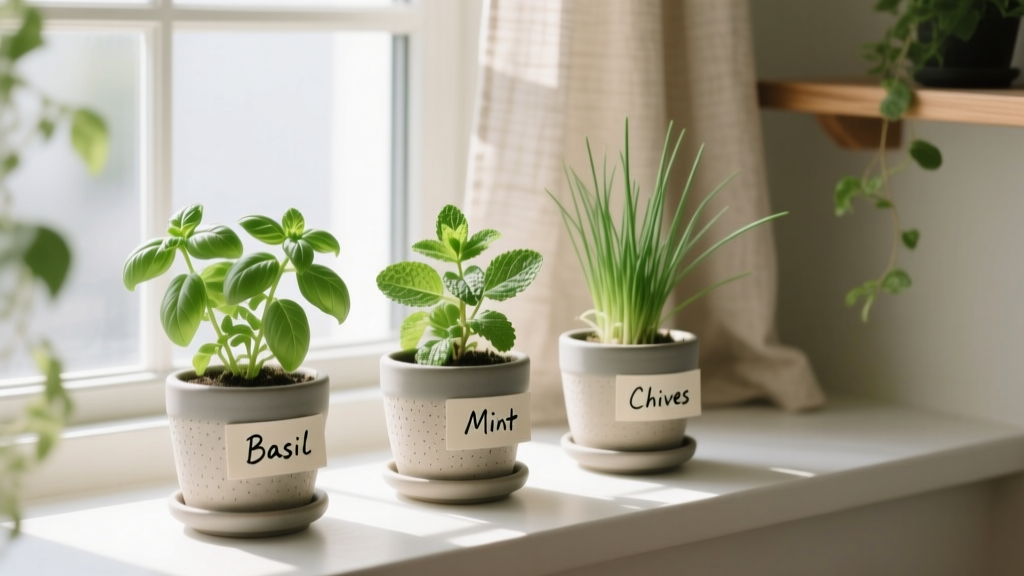
Beginner Guide: Growing Culinary Herbs Indoors Easily
Sarah ChenPublished
Why Start an Indoor Herb Garden?
Bridging the gap between your indoor living space and the joys of outdoor gardening is easier than you might think. For beginners looking to dip their toes into horticulture without committing to a full backyard landscape, an indoor culinary herb garden is the perfect starting point. Not only does it bring a touch of vibrant greenery into your kitchen, but it also provides a continuous, cost-effective supply of fresh flavors for your garden-to-table meals. Growing herbs indoors eliminates the unpredictability of weather, pests, and seasonal changes, allowing you to harvest fresh basil, mint, and chives year-round. According to the University of Minnesota Extension, indoor herb gardening is one of the most accessible ways for urban dwellers and beginners to cultivate their own food, requiring minimal square footage and basic household supplies.
Choosing the Right Herbs for Beginners
Not all herbs thrive in the same conditions, and some are far more forgiving of beginner mistakes than others. When starting your first indoor garden, focus on resilient varieties that adapt well to container life and indoor temperatures.
1. Sweet Basil (Ocimum basilicum)
Basil is a staple in Mediterranean and Southeast Asian cuisines, beloved for its sweet, peppery flavor. It thrives in warm environments and requires ample light. For indoor growing, the 'Genovese' or 'Spicy Globe' varieties are excellent choices. Basil is highly sensitive to cold drafts, so keep it away from drafty windowsills during the winter months. It is a fast grower, meaning you will need to harvest it frequently to prevent it from flowering and turning bitter.
2. Mint (Mentha spp.)
Mint is notoriously invasive when planted outdoors, often taking over entire garden beds via its aggressive underground runners. This makes it the ultimate candidate for indoor container gardening, where its growth is safely contained. Spearmint and peppermint are the most popular culinary varieties. Mint is incredibly forgiving, tolerating lower light conditions and occasional missed waterings better than basil. It prefers consistently moist soil and will quickly reward you with lush, fragrant foliage perfect for teas, cocktails, and salads.
3. Chives (Allium schoenoprasum)
Chives offer a mild, delicate onion flavor that elevates soups, eggs, and baked potatoes. They are exceptionally hardy and can tolerate cooler indoor temperatures and slightly less intense light than basil. Chives grow in grass-like clumps and are incredibly resilient, making them nearly foolproof for beginners. Plus, if they produce their beautiful purple pompom flowers, those are entirely edible and make a stunning garnish.
Essential Supplies and Setup Costs
You do not need an expensive hydroponic system to start growing herbs indoors. A simple, soil-based setup is highly effective and budget-friendly. Below is a breakdown of the essential supplies you will need to get started, along with estimated costs for a three-herb setup.
| Item | Recommendation | Estimated Cost |
|---|---|---|
| Pots (6-inch) | Terracotta with drainage holes | $15 for 3 |
| Potting Mix | Miracle-Gro Indoor Potting Mix | $8 |
| Grow Light | GE LED Grow Light Bulb (12W) | $12 |
| Seeds/Starts | Burpee Organic Herb Starts (Live Plants) | $12 |
| Liquid Fertilizer | FoxFarm Grow Big Liquid Plant Food | $15 |
| Drip Trays | Plastic or ceramic saucers | $6 |
Total Estimated Startup Cost: ~$68. Terracotta pots are highly recommended for beginners because the porous clay allows the soil to breathe and wicks away excess moisture, significantly reducing the risk of root rot—a common pitfall for novice gardeners.
Step-by-Step Planting Guide
While you can start herbs from seed, purchasing live starter plants from a local nursery or garden center is the most beginner-friendly route. It skips the delicate germination phase and gives you a head start on harvesting.
- Step 1: Prepare the Pots. Place a small piece of mesh screen or a coffee filter over the drainage hole at the bottom of your 6-inch terracotta pot. This prevents soil from washing out while still allowing water to drain freely.
- Step 2: Add the Base Soil. Fill the bottom third of the pot with your indoor potting mix. Do not use garden soil or topsoil, as these are too heavy and can harbor outdoor pests and diseases.
- Step 3: Transplant the Herb. Gently remove the herb from its nursery container. Loosen the root ball slightly with your fingers to encourage outward root growth. Place the plant in the center of the new pot.
- Step 4: Fill and Tamp. Add more potting mix around the sides until the soil level is about 1 inch below the rim of the pot. Gently press down to eliminate large air pockets.
- Step 5: Water Thoroughly. Water the plant slowly until you see about 10% of the water drain out of the bottom into the drip tray. Empty the tray after 15 minutes to prevent the roots from sitting in standing water.
Lighting: The Secret to Indoor Success
The most common reason indoor herbs fail is inadequate lighting. Herbs are sun-loving plants that generally require 6 to 8 hours of direct sunlight daily. A south-facing window is the best natural light source in the Northern Hemisphere. However, during winter months or in homes with limited window space, natural light is rarely sufficient.
To bridge this gap, supplement with a full-spectrum LED grow light. A standard 12W LED grow bulb screwed into a cheap desk lamp or clip-on fixture works wonders. Position the light 6 to 12 inches above the top of the foliage. The Penn State Extension recommends leaving grow lights on for 12 to 16 hours a day to mimic the long, sunny days of summer. Using a simple outlet timer (costing about $5) will automate this process, ensuring your herbs get consistent light without you having to remember to flip the switch.
Watering and Humidity Best Practices
Overwatering is the number one killer of indoor herbs. Beginners often water on a strict schedule (e.g., every Monday and Thursday), but indoor environments vary wildly in humidity and temperature. Instead of a schedule, rely on the 'finger test'.
Insert your index finger into the soil up to the first knuckle (about 1 inch deep). If the soil feels dry at that depth, it is time to water. If it feels moist or cool, wait another day. Basil prefers its soil to dry out slightly between waterings, while mint prefers to stay consistently moist but never soggy. Chives fall somewhere in the middle.
Indoor air, especially during winter when the heater is running, can be exceptionally dry. While herbs do not require tropical humidity levels, grouping your pots together on a single tray filled with pebbles and a shallow layer of water can create a localized microclimate that increases ambient humidity as the water evaporates. Just ensure the pots are sitting on the pebbles, not submerged in the water.
Troubleshooting Common Beginner Mistakes
Even with the best intentions, you may encounter a few hiccups. Here is how to diagnose and fix the most common indoor herb issues:
- Leggy, Stretched Growth: If your herbs are growing tall and spindly with large gaps between the leaves, they are stretching toward the light because they are not getting enough. Move your grow light closer to the canopy or increase the daily light duration to 16 hours.
- Yellowing Lower Leaves: This is a classic sign of overwatering or poor drainage. Allow the soil to dry out more thoroughly between waterings, and ensure your pots have unobstructed drainage holes. If the soil stays wet for days, consider repotting into a faster-draining mix amended with perlite.
- Fungus Gnats: These tiny, fruit-fly-like insects thrive in the top layer of overly moist soil. To combat them, let the top inch of soil dry out completely between waterings. You can also use yellow sticky traps placed near the soil surface to catch the adults, effectively breaking their breeding cycle.
Harvesting for Garden-to-Table Meals
Harvesting is not just about getting food; it is a crucial maintenance task that encourages bushier, more productive growth. The golden rule of herb harvesting is the Rule of Thirds: never remove more than one-third of the plant's total foliage at any one time. Taking too much strips the plant of its ability to photosynthesize and recover.
When harvesting basil, always pinch or cut the stem just above a 'node'—the point where a pair of leaves meets the main stem. This signals the plant to branch out into two new stems from that node, effectively doubling your future harvest. For chives, use a clean pair of scissors to snip the blades down to about 2 inches above the soil line; they will rapidly regrow from the base. Mint can be harvested similarly to basil, pinching just above a leaf node.
By following this beginner-friendly guide, you will transform a sunny corner of your kitchen into a productive, aromatic oasis. Not only will you save money at the grocery store, but the unparalleled flavor of freshly picked, homegrown herbs will elevate your culinary creations to a professional level.
