Pest Control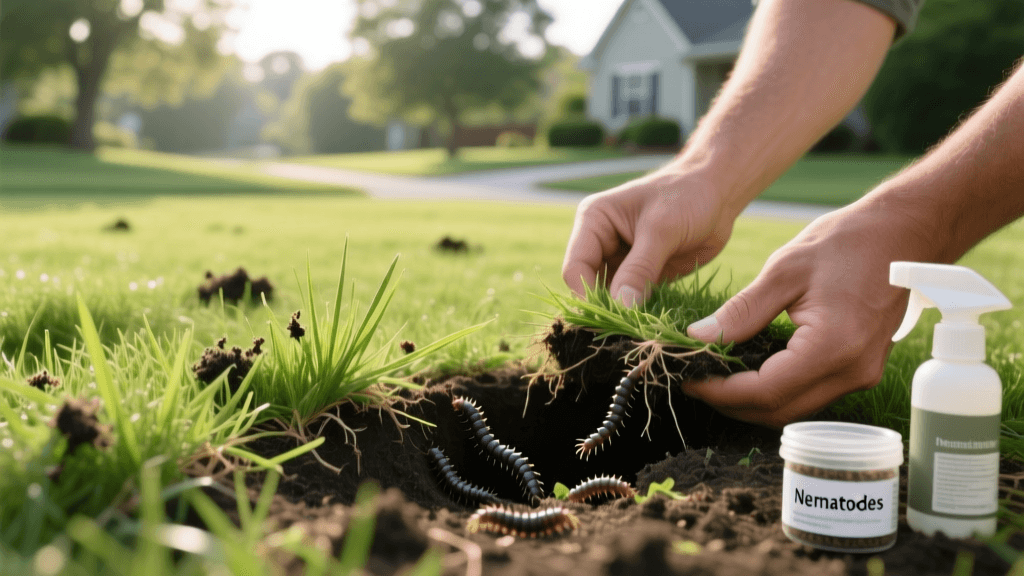
A Beginner Guide to Identifying and Treating Lawn Grubs
What Are Lawn Grubs and Why Should Beginners Care?
If you are new to lawn care, the sudden appearance of brown, dying patches in your otherwise lush yard can be incredibly frustrating. More often than not, the culprit is hiding just beneath the soil surface: lawn grubs. Grubs are the larval stage of various scarab beetles, including Japanese beetles, June bugs, and European chafers. They are C-shaped, creamy-white insects with brown heads and six distinct legs near their thorax.
For beginners, understanding grubs is a rite of passage in integrated pest management (IPM). These pests feed aggressively on the roots of turfgrass, severing the plant's ability to uptake water and nutrients. Left untreated, a severe grub infestation can destroy an entire lawn in a matter of weeks, leading to costly and time-consuming renovations. Fortunately, with the right knowledge, timing, and products, grub control is highly manageable even for novice gardeners.
How to Identify a Grub Infestation
Before you rush to the garden center to buy chemicals, you must confirm that grubs are actually the problem. Applying pesticides without proper identification is a common beginner mistake that wastes money and harms beneficial soil organisms. Look for the following primary indicators:
- Spongy Turf: The grass may feel spongy or loose underfoot when you walk on it, indicating that the root structure has been compromised.
- Animal Digging: Skunks, raccoons, armadillos, and crows love to eat grubs. If you notice small, shallow holes or chunks of torn-up sod, animals are likely foraging for larvae.
- Wilting Despite Watering: If you are watering your lawn regularly but certain patches continue to wilt, turn gray-green, and eventually brown, the roots may be gone.
The Tug Test
The easiest way to check for root damage is the 'tug test.' Simply grab a handful of the brown or dying grass and pull gently. If the grass lifts up effortlessly like a piece of loose carpet, the roots have been eaten, and you likely have a grub problem.
Digging for Evidence
To confirm the presence of grubs, use a flat spade to cut a 1-foot by 1-foot square of sod about two inches deep. Peel the sod back and inspect the topsoil. Count the number of grubs you find. According to Penn State Extension, a healthy, well-maintained lawn can typically tolerate up to five grubs per square foot without showing visible damage. However, if you count more than eight to ten grubs per square foot, treatment is necessary to save your turf.
Understanding the Grub Life Cycle and Timing
Timing is everything in pest control. Adult beetles lay their eggs in the soil during early to mid-summer. These eggs hatch in late July and August, releasing tiny, first-instar grubs that begin feeding voraciously on grassroots. As autumn approaches and soil temperatures drop, the grubs burrow deeper into the soil to overwinter. They return to the surface in the spring to feed briefly before pupating into adult beetles.
Because of this life cycle, treatments are divided into two categories: preventatives (applied before eggs hatch to kill young larvae) and curatives (applied in late summer or fall to kill actively feeding, larger grubs).
Beginner-Friendly Grub Treatment Options
Choosing the right product depends on the time of year and your preference for organic versus chemical controls. Below is a comparison chart of the most effective treatments available to homeowners.
| Treatment Type | Active Ingredient / Product | Best Time to Apply | Target Stage | Est. Cost |
|---|---|---|---|---|
| Preventative | Chlorantraniliprole (Scotts GrubEx) | April - May | Eggs and newly hatched grubs | $25 / 5,000 sq ft |
| Preventative | Imidacloprid (Bayer Advanced) | June - July | Newly hatched grubs | $20 / 5,000 sq ft |
| Curative | Trichlorfon (Dylox 24-Hour Grub Killer) | August - September | Active, large feeding grubs | $30 / 5,000 sq ft |
| Organic | Beneficial Nematodes (Heterorhabditis bacteriophora) | Late Summer / Early Fall | Active grubs in the soil | $40 / 5,000 sq ft |
| Organic | Milky Spore (Paenibacillus popilliae) | Spring or Fall | Japanese beetle grubs only | $60 / 5,000 sq ft |
Step-by-Step Application Guide for Beginners
Applying grub control is straightforward if you follow a systematic approach. Here is how to apply a granular preventative or curative treatment safely and effectively.
Step 1: Measure and Calibrate
Measure your lawn's total square footage to avoid buying too little or over-applying chemicals. Over-application can lead to chemical runoff, which harms local waterways. Set your broadcast spreader according to the manufacturer's instructions listed on the product bag. For example, Scotts GrubEx typically requires setting the spreader dial to 3.5 or 4, depending on the model.
Step 2: Apply Evenly
Walk at a steady, consistent pace. To ensure even coverage and avoid striping, apply half of the product while walking in a north-south direction, and the other half walking in an east-west direction. Keep the spreader moving before you open the hopper to prevent product buildup in one spot, which can burn the grass.
Step 3: Water It In Immediately
Granular grub control products must be watered into the soil where the grubs live. According to research from Michigan State University Extension, you must apply at least 0.5 inches of water immediately after application to activate the chemical and wash it off the grass blades and into the root zone. Use a rain gauge or an empty tuna can placed on the lawn to measure when you have reached the half-inch mark. If you are using beneficial nematodes, water the soil before application to provide a moist environment for the microscopic worms.
Common Beginner Mistakes to Avoid
'The most common mistake homeowners make is applying a curative product like Dylox in the spring, or a preventative product in the fall. Matching the chemical to the grub's life stage is critical for success.' — University of Kentucky Entomology
- Treating in the Spring: Curative chemicals break down quickly. If you apply them in May, they will be gone by the time the new eggs hatch in August. Spring treatments are generally a waste of money unless you are dealing with severe, overwintered grub damage from the previous year.
- Ignoring the Soil Moisture: Applying granular treatments to bone-dry soil during a drought will render the product useless. The soil must be moist enough to accept the water required to activate the pesticide.
- Using Milky Spore for the Wrong Pest: Milky Spore is an excellent organic option, but it only targets Japanese beetle grubs. If your lawn is being destroyed by European chafers or June bugs, Milky Spore will not work.
Repairing Grub Damage
Once the grubs have been eliminated, your lawn will still have dead patches that require attention. Wait until the pest control product has done its job (usually 2-3 weeks after curative application). Rake out the dead, spongy grass and debris to expose the bare soil. Loosen the top inch of soil with a garden rake, apply a starter fertilizer, and overseed the area with a grass seed blend that matches your existing lawn. Keep the newly seeded areas consistently moist by watering lightly two to three times a day until the seeds germinate and establish new roots. With patience and proper follow-up care, your lawn will recover and be better equipped to resist future pest invasions.