Home & Garden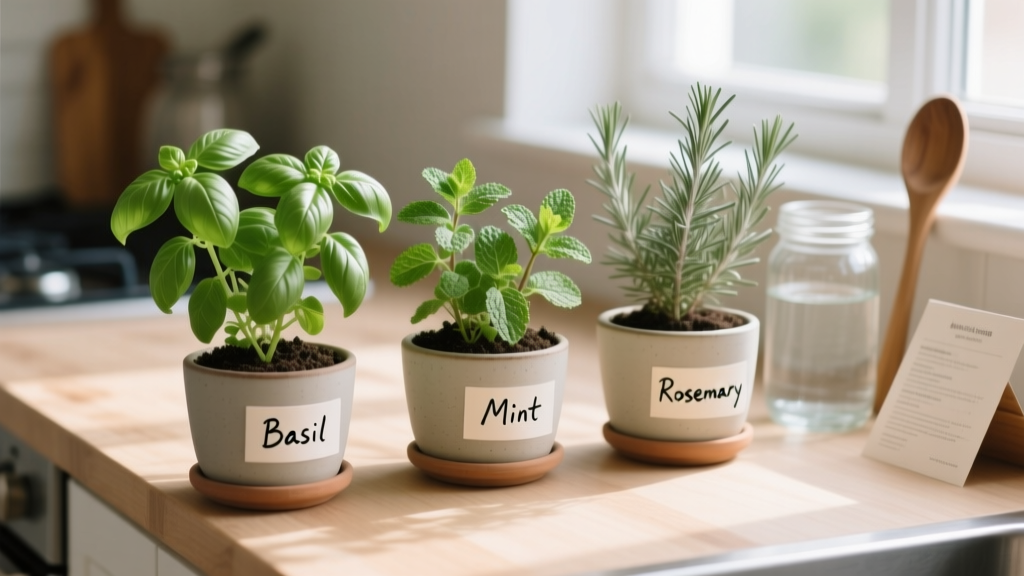
The Beginner's Guide to Growing Indoor Herb Gardens
Lisa ThompsonPublished
Bridging the gap between indoor comfort and outdoor gardening is one of the most rewarding pursuits for modern homeowners. An indoor herb garden not only purifies your air and adds vibrant greenery to your kitchen but also provides a direct, garden-to-table pipeline for your daily culinary creations. Whether you are looking to garnish a homemade caprese salad with fresh basil or muddle homegrown mint for a weekend mocktail, cultivating herbs inside your home is a highly accessible entry point into the world of horticulture. According to the University of Minnesota Extension, growing herbs indoors is an excellent way to extend the growing season and enjoy fresh flavors year-round, provided you meet their specific light and moisture requirements.
Why Start an Indoor Herb Garden?
Transitioning from purchasing plastic clamshells of wilted herbs at the grocery store to harvesting them fresh from your windowsill transforms your cooking experience. Indoor herb gardens are remarkably space-efficient, making them ideal for apartments, condos, and homes with limited outdoor yard space. Furthermore, integrating smart home technology into your indoor garden setup allows for a nearly hands-off approach to plant care. By utilizing smart plugs and automated LED lighting, you can perfectly mimic the sun's natural cycle, ensuring your plants thrive even during the darkest winter months. This seamless blend of nature and technology embodies the best of modern home and garden living.
Choosing the Best Herbs for Beginners
When starting your first indoor garden, it is crucial to select herbs that are forgiving and resilient. While Mediterranean herbs like thyme and oregano are popular, they can be finicky regarding indoor humidity. Instead, focus on these three beginner-friendly staples:
- Sweet Basil: A fast-growing, tender annual that loves warmth and moisture. It is the quintessential garden-to-table herb, perfect for pestos, pastas, and pizzas.
- Spearmint or Peppermint: Notoriously vigorous growers, mints are incredibly forgiving and can tolerate slightly lower light conditions. They are best grown in their own isolated containers, as their aggressive root systems will choke out neighboring plants.
- Rosemary: A woody perennial that brings a robust, pine-like aroma to your kitchen. While it requires more light than mint, it is highly drought-tolerant once established, making it a great choice for those who occasionally forget to water.
Essential Supplies and Estimated Costs
Setting up a functional and aesthetically pleasing indoor herb garden does not require a massive financial investment. Here is a detailed breakdown of the supplies you will need, including specific product recommendations and estimated costs to help you budget your DIY garden project:
- Containers (Approx. $12 - $18): Opt for 6-inch to 8-inch terracotta pots. Terracotta is porous, allowing the soil to breathe and preventing the root rot that often plagues beginners using plastic pots. Ensure every pot has a drainage hole and a matching saucer.
- Potting Mix (Approx. $15): Never use garden soil or topsoil for indoor containers, as it compacts and harbors pests. Use a high-quality, well-draining organic potting mix like FoxFarm Ocean Forest or Miracle-Gro Indoor Potting Mix.
- Lighting (Approx. $25 - $40): Most kitchen windows do not provide the 12+ hours of intense light herbs need. Invest in a full-spectrum LED grow light, such as the GE BR30 Full Spectrum LED Grow Light Bulb, which can be screwed into any standard desk or clamp lamp.
- Smart Home Integration (Approx. $10 - $15): Automate your lighting by plugging your grow lamp into a smart plug like the Kasa Smart Plug Mini or Wyze Plug. You can set a daily schedule via your smartphone to turn the lights on at 7:00 AM and off at 9:00 PM, mimicking a natural summer day.
- Seeds or Transplants (Approx. $5 - $15): While growing from seed is cheaper, purchasing 4-inch nursery transplants (starts) from a local garden center saves you 3 to 4 weeks of waiting and significantly increases your success rate.
Step-by-Step Planting Instructions
If you opt to start from seed, fill your terracotta pots with moistened potting mix, leaving about an inch of space from the rim. Sow basil and mint seeds shallowly, about 1/4 inch deep, and lightly cover them with soil. Rosemary seeds can be erratic, so a transplant is highly recommended for beginners. If using transplants, gently remove the plant from its nursery pot, tease apart the outer roots to encourage outward growth, and plant it at the same depth it was growing in its original container. Water thoroughly until water runs out of the drainage holes, then place the pots under your automated LED grow lights.
Light, Water, and Soil Requirements
Understanding the unique micro-climate needs of each herb is the secret to a thriving indoor garden. The Old Farmer's Almanac emphasizes that inadequate light is the number one reason indoor herbs fail, resulting in "leggy" or stretched growth. Keep your LED grow lights positioned 6 to 12 inches above the plant canopy, adjusting the height as the plants grow. Refer to the table below for specific care parameters:
| Herb | Daily Light Needs | Watering Schedule | Ideal Soil pH | First Harvest Time |
|---|---|---|---|---|
| Sweet Basil | 12-14 hours | When top 1 inch of soil is dry | 6.0 - 7.0 | 3-4 weeks |
| Mint | 10-12 hours | Keep consistently moist (not soggy) | 6.0 - 7.0 | 2-3 weeks |
| Rosemary | 14-16 hours | Allow soil to dry out completely | 6.0 - 6.5 | 4-6 weeks |
Pro Tip: Elevate your pots on small pebble trays filled with water. As the water evaporates, it creates a localized humidity bubble around the plants, which is especially beneficial for moisture-loving basil and mint during dry winter months.
Harvesting and Pruning for Continuous Growth
Harvesting is not just about gathering ingredients; it is a vital maintenance task that encourages bushier, more productive plants. According to Penn State Extension, regular pruning prevents herbs from flowering (bolting), which can turn the leaves bitter. For basil and mint, use clean, sharp micro-snips to pinch off the stem just above a "node" (the point where a pair of leaves meets the stem). This forces the plant to split into two new stems, effectively doubling your future yield. Never remove more than one-third of the plant's foliage at a single time. Rosemary can be harvested by snipping off the top few inches of the woody stems, which promotes dense, shrub-like growth.
Troubleshooting Common Indoor Herb Problems
Even the most attentive gardeners encounter hurdles. Here is how to diagnose and treat the most common indoor herb issues:
- Leggy, Pale Growth: Your plants are stretching toward the light because they are not receiving enough photons. Lower your LED grow light closer to the canopy or increase the daily timer duration by two hours.
- Yellowing Leaves and Wilting: This is a classic sign of overwatering and impending root rot. Allow the soil to dry out more between waterings, and ensure your terracotta pots are not sitting in stagnant water in their saucers.
- Fungus Gnats: These tiny, annoying flies thrive in consistently damp soil. To combat them organically, let the top two inches of soil dry out completely between waterings, and apply a biological control like Mosquito Bits (BTI) to the soil surface to eliminate the larvae.
- Powdery Mildew: A white, dusty fungus that occasionally attacks rosemary in areas with poor air circulation. Improve airflow by placing a small, oscillating desk fan nearby, and treat affected leaves with an organic neem oil spray applied in the evening.
Conclusion
Cultivating an indoor herb garden is a deeply satisfying DIY project that merges the beauty of nature with the convenience of modern smart home technology. By selecting the right beginner-friendly herbs, investing in proper drainage and automated lighting, and adhering to a consistent pruning schedule, you will enjoy a perpetual harvest of fresh, aromatic flavors right in your own kitchen. Start small, observe how your plants respond to their environment, and soon you will be ready to expand your indoor oasis into a full-scale culinary garden.
