Pest Control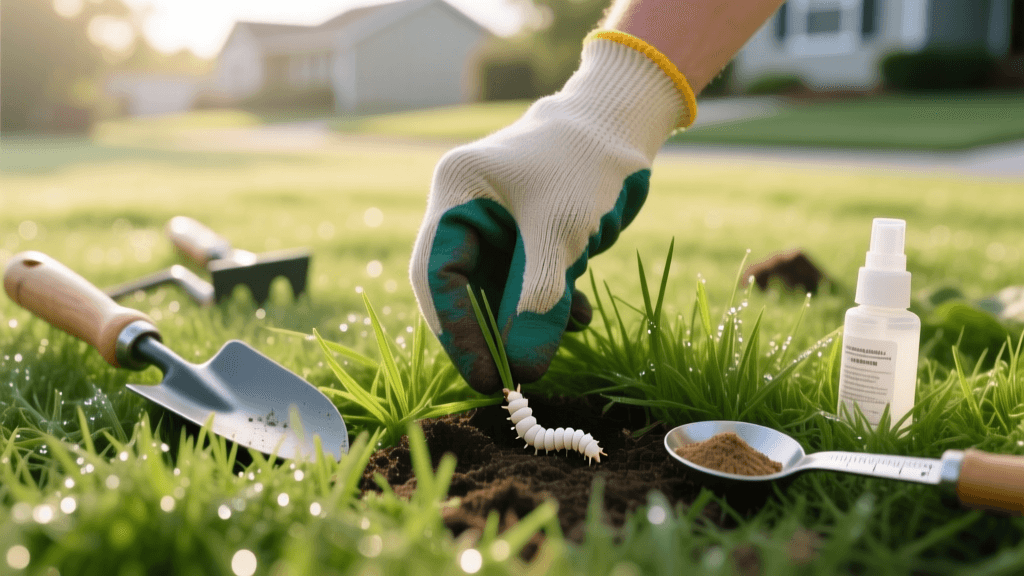
Beginner Guide to Lawn Grub Control and Prevention
The Hidden Threat to Your New Lawn: Understanding Grubs
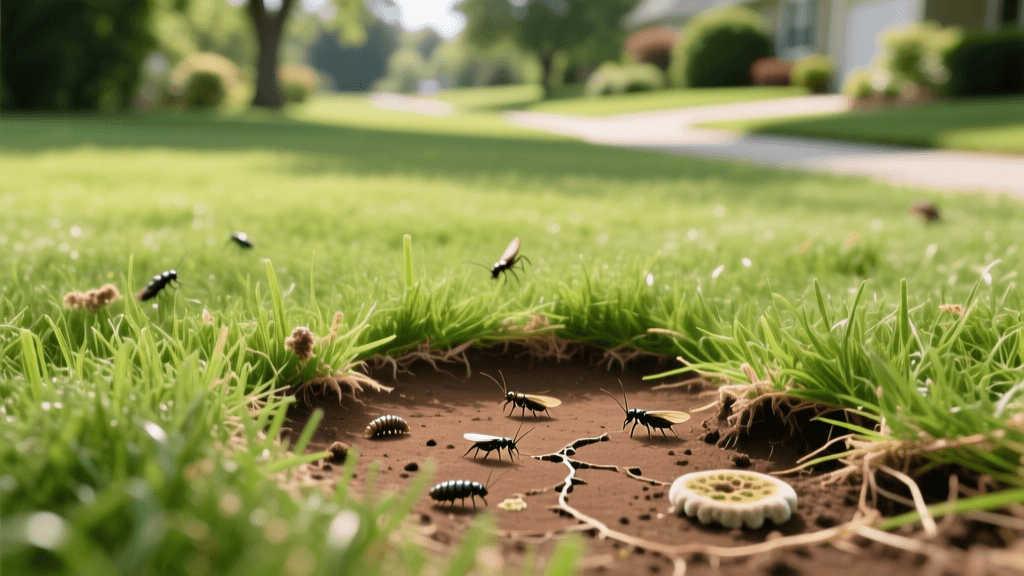
Establishing a new lawn is a rewarding milestone for any beginner gardener or homeowner. You have carefully selected your grass seed, prepared the soil, and maintained a strict watering schedule. However, beneath the surface of your beautiful new turf, a hidden enemy might be silently destroying your hard work: lawn grubs. White grubs are the larval stage of several scarab beetles, including the notorious Japanese beetle, June bugs, and European chafers. These C-shaped, creamy-white larvae with brown heads feed aggressively on the roots of your grass, severing the plant's ability to absorb water and nutrients.
For beginners navigating the complexities of lawn care, a grub infestation can feel like a sudden and mysterious disaster. One week your lawn is lush and green, and the next, it is plagued by spongy, brown patches that roll back like loose carpet. Fortunately, with a basic understanding of integrated pest management (IPM) and the right timing, grub control is highly manageable. This guide will walk you through identifying, treating, and preventing grubs using both organic and chemical methods, ensuring your new lawn thrives for years to come.
How to Identify a Grub Infestation
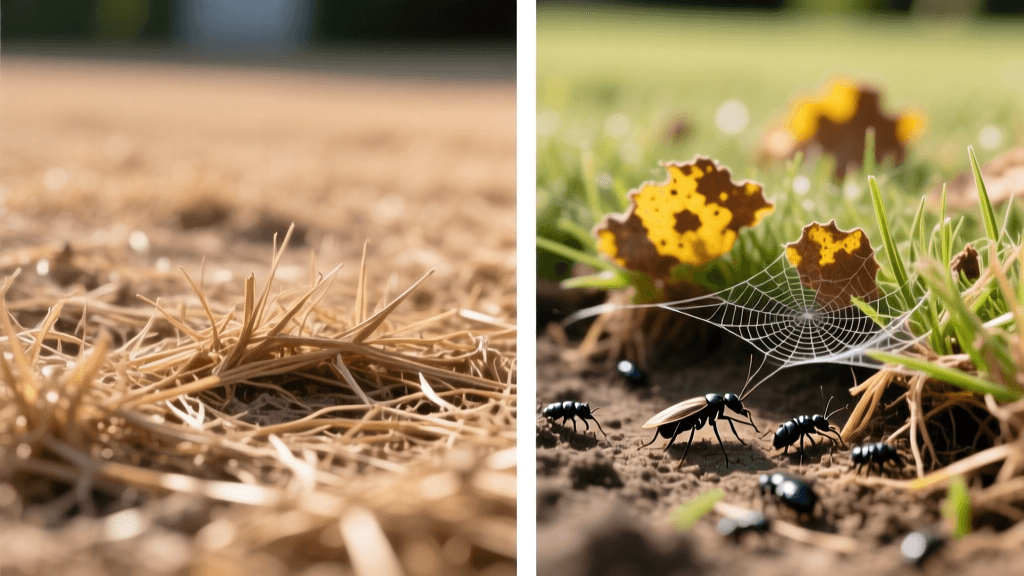
Before you spend time and money on treatments, you must confirm that grubs are actually the culprit. Grub damage typically appears in late summer or early fall as irregular brown patches of dead grass. Because the roots have been eaten, the turf feels spongy when you walk on it. Additionally, you may notice secondary damage from wildlife; animals like skunks, raccoons, and crows will tear up your lawn to feast on the protein-rich grubs hiding just below the soil surface.
The Tug Test and Visual Inspection
To confirm an infestation, perform the "tug test." Grab a handful of brown grass and pull gently. If the grass lifts away from the soil easily with no root resistance, grubs are likely the cause. To be absolutely certain, use a flat spade to cut a one-foot by one-foot square of turf about two inches deep and peel it back. Count the number of grubs in the top three inches of soil. According to Michigan State University Extension, finding fewer than five grubs per square foot is normal and requires no treatment. However, if you count 10 or more grubs per square foot, intervention is necessary to save your lawn.
Preventative vs. Curative Grub Control
Understanding the difference between preventative and curative treatments is crucial for beginners. Preventative products stop grubs from developing, while curative products kill active, feeding grubs. Choosing the wrong product at the wrong time is the most common mistake new gardeners make.
| Feature | Preventative Control | Curative Control |
|---|---|---|
| Best Timing | Late Spring to Early Summer (May - July) | Late Summer to Early Fall (August - September) |
| Target Stage | Newly hatched, tiny larvae | Large, actively feeding larvae |
| Common Active Ingredients | Chlorantraniliprole, Imidacloprid | Trichlorfon, Carbaryl |
| Average Cost | $20 - $30 per 5,000 sq. ft. | $25 - $40 per 5,000 sq. ft. |
| Speed of Results | Slow (prevents future damage) | Fast (kills within 24-48 hours) |
Beginner-Friendly Organic Treatments
If you prefer to maintain an organic lawn or have pets and children who frequently play on the grass, biological controls are highly effective and environmentally safe. Penn State Extension strongly advocates for biological controls as a cornerstone of sustainable turf management.
Beneficial Nematodes
Beneficial nematodes are microscopic, unsegmented worms that naturally occur in soil. For grub control, you specifically need the species Heterorhabditis bacteriophora (often labeled as Hb nematodes). These nematodes actively hunt down grubs, enter their bodies, and release bacteria that kill the grub within 48 hours. The nematodes then reproduce inside the dead grub and move on to the next target.
- Cost: Approximately $35 to $50 for a pack of 10 million nematodes, which treats about 2,500 square feet.
- Application Timing: Apply in late summer or early fall when soil temperatures are consistently above 60°F (15°C).
- How to Apply: Mix the nematodes with water in a hose-end sprayer. Apply in the early morning or late evening to avoid UV light, which can kill them. You must water the lawn with 1/4 inch of water immediately after application to wash the nematodes into the soil, and keep the soil moist for 7 to 10 days.
Milky Spore Disease
Milky Spore (Paenibacillus popilliae) is a naturally occurring bacterium that specifically targets Japanese beetle grubs. When grubs ingest the spores, the bacteria multiply inside them, eventually killing the larvae and releasing billions of new spores into the soil. While it takes 2 to 3 years to fully establish in your soil, a single application can provide control for 10 to 15 years. Apply Milky Spore using a drop spreader or a specialized applicator tube in a grid pattern across your lawn during the fall.
Chemical Control Options for Severe Infestations
When grub populations exceed the threshold and threaten to destroy your newly established lawn, synthetic chemical controls offer rapid and reliable results. University of Kentucky Entomology notes that modern synthetic insecticides are highly targeted and safe when applied strictly according to label directions.
Preventative Chemicals: Chlorantraniliprole
Sold under brand names like Scotts GrubEx1, Chlorantraniliprole is the gold standard for preventative care. It is highly effective against a broad spectrum of turf pests and has a low toxicity profile for mammals and bees. Apply this granular product in May or early June. It requires thorough watering (at least 1/2 inch of irrigation) immediately after application to activate the chemical and move it into the root zone where the newly hatched grubs will feed.
Curative Chemicals: Trichlorfon
If you missed the preventative window and discover an active infestation in August or September, Trichlorfon (commonly sold as Dylox) is your best option. It is a fast-acting granular insecticide that kills large, third-instar grubs within 24 to 48 hours. Because it degrades quickly in the soil (usually within a week), it will not provide long-term residual control, making it strictly a rescue treatment.
IPM Principle: Always remember that a healthy, deeply rooted lawn is your first line of defense. Proper mowing heights (3 to 4 inches) and deep, infrequent watering encourage robust root systems that can tolerate minor grub feeding without showing visible damage.
Step-by-Step Application and Lawn Recovery
Treating the grubs is only half the battle; you must also repair the damage they left behind. Follow this beginner-friendly recovery protocol:
- Apply Treatment: Choose your curative or preventative product and apply it evenly using a calibrated broadcast spreader. Overlapping slightly ensures you don't miss strips of lawn.
- Water Thoroughly: Water the lawn immediately with 1/2 inch of water. This is non-negotiable; without water, granular treatments sit on the thatch layer and degrade in the sun.
- Remove Dead Turf: Use a heavy thatch rake to aggressively rake out the dead, rootless grass and debris. This exposes the soil for new seed.
- Aerate the Soil: Use a manual core aerator or rent a gas-powered aerator to pull soil plugs. This relieves compaction caused by animal digging and heavy foot traffic.
- Overseed: Apply a high-quality grass seed blend matching your existing lawn at a rate of 5 to 8 lbs per 1,000 square feet.
- Fertilize and Top Dress: Apply a starter fertilizer (e.g., 10-18-10 NPK ratio) to promote root growth, and lightly top dress the area with 1/4 inch of compost to retain moisture.
- Maintain Moisture: Water the newly seeded areas lightly 2 to 3 times a day for 10 minutes each session to keep the top inch of soil consistently moist until germination occurs (usually 7 to 14 days).
Frequently Asked Questions
Do grubs come back every year?
Yes, if the adult beetles (like Japanese beetles) continue to lay eggs in your turf each July. This is why annual preventative treatments or long-term biological solutions like Milky Spore are recommended for chronic problem areas.
Are grubs harmful to pets?
No, grubs are not toxic to dogs or cats. In fact, many dogs will dig them up and eat them as a crunchy, high-protein snack. However, the digging behavior can severely damage your lawn, and chemical treatments used to kill grubs can be harmful to pets if not watered in and allowed to dry properly before allowing pets back onto the grass.
When is the absolute best time to apply preventative grub control?
The ideal window is between mid-May and late June. Applying too early (April) risks the product degrading before the eggs hatch in July. Applying too late (August) means the grubs are already large and require a stronger curative product to eliminate.