Pest Control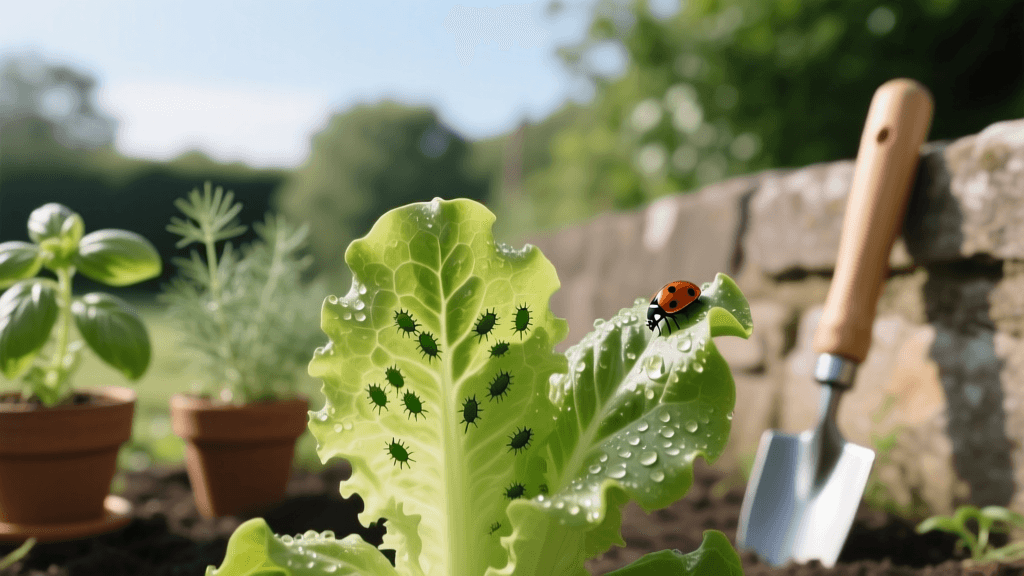
Beginner Guide to Organic Aphid Control for Gardens
Welcome to Garden Pest Management: Understanding Aphids
Starting your first vegetable or flower garden is an incredibly rewarding experience, but it inevitably introduces you to the complex world of garden pests. Among the most common and frustrating adversaries a beginner will face is the aphid. These tiny, sap-sucking insects can seemingly appear overnight, colonizing the tender new growth of your prized tomatoes, roses, and peppers. Fortunately, managing aphids does not require harsh synthetic chemicals. By adopting an Integrated Pest Management (IPM) approach, you can protect your plants using safe, organic, and highly effective methods.
According to the University of California Integrated Pest Management (UC IPM) program, aphids are among the most common pests found in gardens and landscapes worldwide. Learning to identify, treat, and prevent these pests is a foundational skill for any beginner gardener looking to cultivate a thriving, organic garden.
How to Identify Aphids and Their Damage
Aphids are small, soft-bodied insects that typically measure between 1/16 and 1/8 of an inch long. They come in a variety of colors, including green, black, red, yellow, and even pink, depending on the species and their host plant. You will usually find them clustered in dense colonies on the undersides of leaves, along tender stems, and on new growth buds.
Because they feed by piercing plant tissues and sucking out nutrient-rich sap, their damage manifests in several distinct ways:
- Leaf Curling and Distortion: As aphids extract sap, they inject saliva that causes leaves to yellow, curl, and become stunted.
- Honeydew Secretion: Aphids excrete a sticky, sugary substance known as honeydew. If you notice a shiny, sticky residue on your plant's leaves or on the ground below, aphids are likely the culprit.
- Sooty Mold: The honeydew attracts a harmless but unsightly black fungus called sooty mold, which can block sunlight and reduce photosynthesis.
- Ant Activity: The University of Minnesota Extension highlights that ants will actively farm aphids to harvest their honeydew, protecting them from natural predators. If you see a trail of ants marching up your plant stems, inspect the foliage immediately for aphid colonies.
The Aphid Life Cycle: Why They Multiply So Fast
One of the most daunting aspects of aphid control for beginners is their astonishing reproduction rate. During the spring and summer, most aphid species reproduce asexually through a process called parthenogenesis. This means that females give birth to live, pregnant clones without the need for mating. A single female can produce up to 80 offspring in a single week, allowing a small scouting party to turn into a massive infestation in a matter of days. When a host plant becomes overcrowded or stressed, the colony will produce winged aphids that fly off to establish new colonies on neighboring plants.
In the autumn, as daylight hours shorten and temperatures drop, aphids will finally produce males and sexual females. These mate and lay hardy, overwintering eggs on the bark of shrubs and trees. These eggs survive the freezing winter and hatch the following spring, starting the cycle all over again. Understanding this cycle emphasizes the importance of cleaning up garden debris and applying dormant horticultural oils to fruit trees in late winter.
5 Beginner-Friendly Organic Treatments
When you spot an infestation, quick action is required. Here are five highly effective, organic treatments tailored for beginner gardeners, complete with product recommendations and application guidelines.
1. The High-Pressure Water Blast (Mechanical Control)
Before reaching for any sprays, use the power of water. Aphids are weak and cannot easily climb back onto a plant once they are knocked off. Use a garden hose with a spray nozzle set to a sharp, targeted stream. Direct the water at the undersides of the leaves and along the stems. This method is completely free, instantly reduces the population, and washes away sticky honeydew. Repeat this process every morning for three to four days to catch newly hatched nymphs.
2. Insecticidal Soaps (Chemical Control)
Insecticidal soaps are formulated using potassium salts of fatty acids. They work on contact by penetrating the soft outer shell of the aphid, causing rapid dehydration. As outlined by the National Pesticide Information Center (NPIC), these soaps are highly effective against soft-bodied insects while remaining safe for humans, pets, and most beneficial insects once dry.
Product Recommendation: Bonide Insecticidal Soap or Safer Brand Insect Killing Soap.
Cost: $10 to $15 for a 32 oz ready-to-use spray bottle.
Application: Spray directly on the aphids, ensuring complete coverage of the leaf undersides. Apply in the early morning or late evening to prevent leaf burn and avoid spraying when temperatures exceed 90°F. Reapply every 5 to 7 days until the infestation is gone.
3. Cold-Pressed Neem Oil (Hormonal Disruptor)
Neem oil is extracted from the seeds of the neem tree. It contains azadirachtin, a compound that disrupts the hormonal systems of insects, preventing them from molting, feeding, and reproducing. It also acts as a mild repellent and fungicide, helping to clear up sooty mold.
Product Recommendation: Bonide Captain Jack's Neem Oil.
Cost: $15 to $20 for a concentrate that makes up to 16 gallons of spray.
Application: Mix 1 to 2 tablespoons of neem oil concentrate and 1 teaspoon of mild liquid dish soap (as an emulsifier) per gallon of water. Shake vigorously and spray all plant surfaces. Neem oil requires patience; it may take 3 to 4 days to see a significant drop in the aphid population.
4. Introducing Beneficial Insects (Biological Control)
Nature has its own pest control agents. Ladybugs, lacewings, and parasitic wasps are voracious predators of aphids. A single ladybug can consume up to 50 aphids a day. While you can attract them naturally by planting diverse flowering herbs, you can also purchase them for immediate release.
Product Recommendation: Live Ladybugs or Green Lacewing Eggs from online suppliers like Arbico Organics.
Cost: $15 to $30 for 1,500 live ladybugs.
Application: Release them in the evening after lightly misting your garden with water (they will be thirsty). Release them at the base of infested plants so they crawl up and begin feeding.
5. Trap Cropping with Nasturtiums (Cultural Control)
Trap cropping involves planting a sacrificial species that aphids prefer over your main crops. Nasturtiums act as a magnet for black aphids. By planting them a few feet away from your vegetable beds, you draw the pests away from your prized tomatoes and peppers. Once the nasturtiums are heavily infested, you simply pull them up and compost them (or dispose of them in a sealed bag if the infestation is severe).
Organic Aphid Treatment Comparison Chart
| Treatment Method | Estimated Cost | Speed of Results | Best Used For |
|---|---|---|---|
| Water Blast | Free | Immediate | Small, early-stage colonies on sturdy plants |
| Insecticidal Soap | $10 - $15 | 24 - 48 Hours | Moderate infestations; safe for most edibles |
| Neem Oil | $15 - $20 | 3 - 5 Days | Persistent infestations; dual-action pest & fungus control |
| Beneficial Insects | $15 - $30 | 3 - 7 Days | Large gardens; long-term ecological balance |
| Trap Cropping | $3 (Seed packet) | Preventative | Protecting specific high-value crops like brassicas |
Prevention Strategies for the Beginner Gardener
The best way to handle an aphid infestation is to prevent it from establishing in the first place. Incorporate these cultural habits into your growing routine:
- Avoid Excess Nitrogen: High-nitrogen fertilizers promote rapid, sappy, bright green new growth. This tender tissue is exactly what aphids crave. Switch to a balanced, slow-release organic fertilizer to promote steady, resilient growth.
- Companion Planting: Interplant alliums (like garlic, chives, and onions) near your susceptible crops. The strong scent of alliums naturally repels aphids and confuses their ability to locate host plants.
- Weed Control: Many common garden weeds, such as sowthistle and mustards, serve as early-season hosts for aphids. Keeping your garden beds weeded removes these alternative breeding grounds, forcing winged aphids to move on rather than settling near your vegetables.
- Encourage Biodiversity: Plant alyssum, yarrow, and dill to provide nectar and pollen for adult hoverflies and parasitic wasps, ensuring a steady population of natural predators in your yard.
Building a Weekly IPM Scouting Routine
Integrated Pest Management relies heavily on observation. Make it a habit to walk through your garden twice a week with a cup of morning coffee. Flip over the leaves of your most vulnerable plants—tomatoes, peppers, roses, and squash. Look for the tiny, pear-shaped bodies and the telltale trails of ants. Keep a small notebook or use a gardening app to log where you spot pests. This historical data will help you anticipate problems the following spring, allowing you to deploy trap crops or preventative neem oil sprays before the insects even arrive. By catching an aphid colony when it consists of only a dozen individuals, a simple blast from the garden hose is all you need to keep your garden thriving organically. Happy growing!