
Landscaping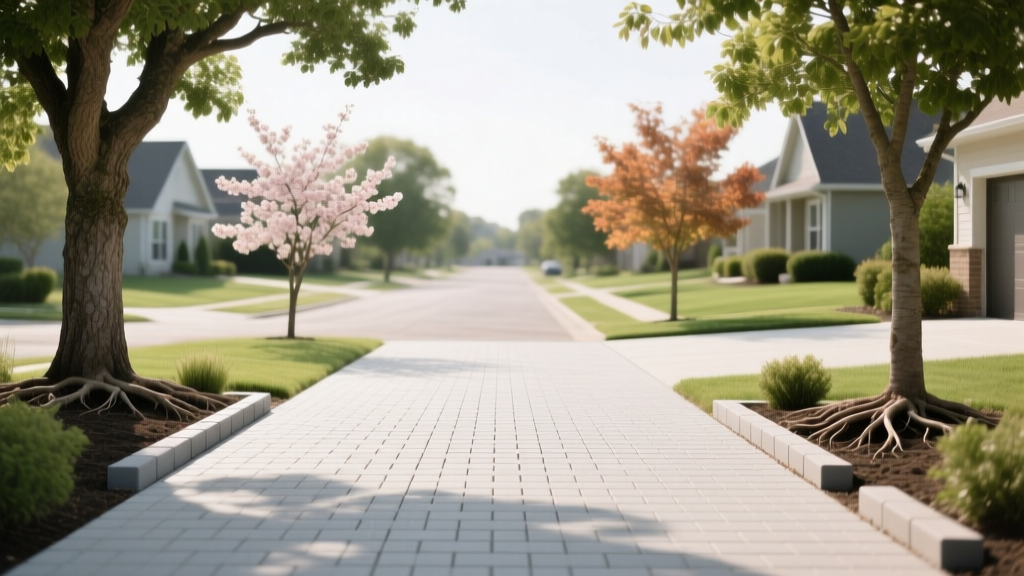
Best Trees For Belgard Aqua-Roc Paver Driveways 2026
Robert HayesPublished
The Intersection of Hardscaping and Tree Health in 2026
As sustainable landscaping continues to dominate residential design in 2026, the integration of functional hardscaping with vibrant, living softscaping has never been more critical. Homeowners are increasingly turning to permeable paver driveways to manage stormwater runoff, reduce heat island effects, and support local ecosystems. Among the top tier of these products is the Belgard Aqua-Roc system, a premier permeable interlocking concrete paver (PICP) solution designed to allow water to infiltrate directly into the underlying soil base. However, installing a high-end permeable driveway is only half the battle. The trees you select to border or accent your driveway play a massive role in the overall success, longevity, and aesthetic of your landscape.
Selecting the right trees for a Belgard Aqua-Roc driveway requires a delicate balance. You need species that provide ample shade, enhance curb appeal, and thrive on the increased water infiltration provided by the pavers, all while possessing root systems that will not heave or destroy the meticulously engineered sub-base. In this comprehensive 2026 tree selection and planting guide, we will explore the best tree species for permeable paver environments, advanced root management techniques, and step-by-step planting protocols to ensure your hardscape and softscape thrive in perfect harmony.
Why Permeable Pavers Benefit Tree Health
Traditional asphalt and poured concrete driveways act as impermeable barriers. They suffocate the soil beneath them, prevent oxygen exchange, and divert vital rainwater away from the root zones of adjacent trees. This often leads to stunted growth, premature decline, and surface roots that desperately seek moisture near the driveway edges.
The Belgard Aqua-Roc system fundamentally changes this dynamic. According to the EPA's green infrastructure guidelines, permeable pavements mimic natural hydrology by allowing stormwater to pass through the joints and into a specialized aggregate base. For trees planted in adjacent beds or within integrated driveway islands, this means a consistent, passive supply of filtered rainwater and improved soil oxygenation. The open-graded aggregate base used beneath the Aqua-Roc pavers—often referred to as a reservoir base—acts as a massive underground cistern. Tree roots can safely tap into this moisture reserve during the increasingly common dry spells of the 2026 summer season, reducing the need for supplemental irrigation and promoting deeper, more stable root architectures.
Top Tree Species for Belgard Aqua-Roc Driveways
When choosing trees to plant near your permeable driveway, the golden rule is to avoid species with aggressive, shallow, or water-seeking root systems. Willows, Silver Maples, and Poplars are notorious for lifting pavers and disrupting the delicate aggregate base layers. Instead, opt for deep-rooted, slow-growing, or ornamental species. Below is a comparison chart of the best tree selections for permeable paver environments in 2026.
| Tree Species | Mature Height | Root Aggressiveness | Drought Tolerance | Best Use Case |
|---|---|---|---|---|
| Serviceberry (Amelanchier) | 15-25 ft | Low | Moderate | Driveway border islands, entryway accents |
| Japanese Tree Lilac (Syringa reticulata) | 20-30 ft | Low to Moderate | High | Street-side borders, providing light shade |
| Ginkgo Biloba (Male cultivars) | 50-75 ft | Moderate (Deep) | Very High | Large shade canopy, urban pollution resistance |
| Eastern Redbud (Cercis canadensis) | 20-30 ft | Low | Moderate | Spring color, understory planting near pavers |
| Parrotia (Parrotia persica) | 20-40 ft | Low | High | Fall foliage, structural branching, no surface roots |
Serviceberry (Amelanchier): A fantastic multi-season ornamental tree that offers spring blossoms, summer berries, and brilliant fall color. Its non-invasive root system makes it incredibly safe for planting just a few feet from the edge of a Belgard Aqua-Roc installation.
Ginkgo Biloba: If you require a large shade tree to cool your driveway and reduce the heat island effect, male cultivars of the Ginkgo are ideal. They develop deep taproots rather than sprawling surface roots, ensuring the structural integrity of your permeable base remains intact. Always ensure you purchase male trees to avoid the messy, foul-smelling fruit produced by females.
Japanese Tree Lilac: Highly resistant to urban pollution and compacted soils, this tree is a staple in modern 2026 landscape design. It provides beautiful white flowers in early summer and maintains a tidy, oval canopy that won't drop excessive debris into the paver joints.
Root Management and Structural Soil Strategies
Even with carefully selected tree species, proactive root management is essential when integrating softscaping with high-performance hardscaping like the Belgard Aqua-Roc system. According to Belgard's official permeable paver specifications, the integrity of the PICP system relies on the stability of the edge restraints and the underlying aggregate layers. If tree roots infiltrate the bedding sand or the open-graded base rock, they can cause localized settling or heaving.
Installing Deep Root Barriers
When planting trees within 10 to 15 feet of your permeable driveway, installing a mechanical root barrier is highly recommended. Modern root barriers, such as those made from high-density polyethylene (HDPE) or specialized geotextiles, are buried vertically between the tree pit and the driveway base. These barriers feature downward-facing ridges that train roots to grow deeply into the soil profile rather than laterally toward the moisture-rich paver joints. In 2026, trenchless root barrier installations using vibratory plows have become popular, minimizing soil disruption during the final stages of hardscape construction.
Utilizing Suspended Pavement and Structural Soils
If your landscape design calls for trees to be planted directly within the driveway footprint (such as in a central median or entry island), you must provide adequate soil volume without compromising the load-bearing capacity of the driveway. This is where structural soils and suspended pavement systems come into play. Products like CU-Structural Soil or Silva Cells create a matrix that supports the weight of vehicles on the Aqua-Roc pavers above while leaving 20% to 30% of the volume as uncompacted soil for root growth and water infiltration. This synergy allows the tree to access the vast reservoir of water stored in the permeable base without causing the pavers to sink.
Step-by-Step Planting Guide for Permeable Driveways
Proper planting technique is just as important as species selection. Follow these steps, aligned with the Arbor Day Foundation's planting protocols, to ensure your trees establish quickly without threatening your hardscaping.
Step 1: Locate Utilities and Map the Paver Base
Before digging, always call your local utility locating service. Additionally, consult your hardscape contractor's blueprint to understand exactly where the Belgard Aqua-Roc aggregate base extends. The excavation for the paver base is often 12 to 18 inches wider than the visible paver surface. Ensure your tree pit is dug outside this extended sub-base zone.
Step 2: Dig the Proper Hole
Dig a hole that is two to three times wider than the root ball, but no deeper. The root flare (where the trunk widens at the base) must sit slightly above the surrounding grade. Planting too deep leads to girdling roots, which will eventually seek the surface and threaten your driveway edges.
Step 3: Amend and Backfill
Avoid the temptation to heavily amend the backfill soil with rich compost. While it seems beneficial, it creates a "bathtub effect" where roots refuse to leave the nutrient-rich hole and instead circle the root ball. Use the native soil mixed with a modest amount of organic matter. This encourages roots to expand outward and downward, tapping into the moisture provided by the adjacent permeable pavers.
Step 4: Install the Root Barrier
If planting near the driveway edge, excavate a narrow trench between the tree pit and the hardscape. Insert an 18-to-24-inch deep HDPE root barrier, ensuring the top edge sits just below the mulch line. Backfill and compact the soil on both sides.
Step 5: Mulch and Water
Apply a 2-to-3-inch layer of organic hardwood mulch in a wide ring around the tree, keeping it away from the trunk. Because the Belgard Aqua-Roc system will passively hydrate the surrounding soil, you will only need to deep-water the tree manually during its first two years of establishment. Afterward, the tree will rely heavily on the stormwater infiltrating through the paver joints.
2026 Maintenance Protocols for Trees and Pavers
Maintaining a landscape that features both living trees and permeable hardscaping requires a dual-focus approach. The primary maintenance concern for the Belgard Aqua-Roc system is preserving its permeability. Over time, wind-blown soil, pollen, and organic debris from your trees can clog the joints between the pavers.
To prevent this, incorporate a specialized landscaping vacuum or a stiff-bristled broom into your spring and autumn maintenance routines. In 2026, many homeowners utilize battery-powered outdoor vacuums designed specifically for hardscapes to extract debris from the jointing aggregates without disturbing the base. If the permeability severely decreases, a professional power-washing and vacuum extraction service can restore the system to like-new condition.
For the trees, annual pruning is essential to maintain a high canopy over the driveway. This prevents sap, heavy seed pods, or excessive leaf litter from accumulating on the Aqua-Roc surface, which can decompose and create a sludge that blocks water infiltration. By selecting the right species, employing smart root barriers, and adhering to a strict maintenance schedule, your Belgard Aqua-Roc driveway and surrounding trees will form a resilient, eco-friendly ecosystem that enhances your property's value and environmental footprint for decades to come.

