
Landscaping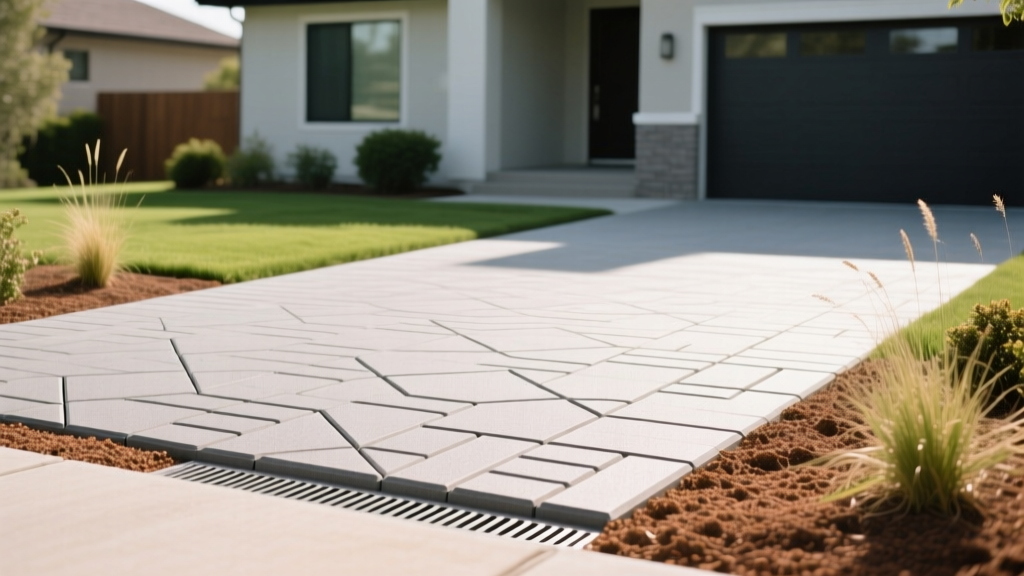
Belgard Aqua-Roc Driveways: 2026 Permeable Mulching Guide
Anna KowalskiPublished
Redefining Mulch: The Intersection of Hardscaping and Inorganic Ground Cover
When homeowners and landscape architects discuss mulching methods and materials, the conversation almost exclusively revolves around softscape garden beds. We think of shredded hardwood bark, pine needles, cocoa bean hulls, or decorative river rock applied to planting zones to retain moisture and suppress weeds. However, as sustainable landscaping and advanced stormwater management take center stage in 2026, the fundamental principles of mulching have crossed over into hardscape design. Today, we are exploring the concept of 'structural inorganic mulching' through the lens of the Belgard Aqua-Roc permeable paver driveway system.
In modern landscape architecture, the aggregate base and jointing materials used in permeable hardscapes perform the exact same ecological functions as traditional inorganic mulch. They regulate soil temperature, prevent erosion, suppress weed germination, and most importantly, manage water infiltration. By viewing the Belgard Aqua-Roc system not just as a driveway surface, but as a highly engineered, load-bearing mulch layer, homeowners can better understand the immense environmental and practical benefits of this 2026 landscaping staple.
The Belgard Aqua-Roc System: Structural Inorganic Mulching
The Belgard Aqua-Roc system represents the pinnacle of permeable interlocking concrete pavement (PICP) design. Unlike traditional impervious concrete or asphalt driveways that shed water into overloaded municipal storm drains, the Aqua-Roc system is designed to capture, filter, and slowly release rainwater back into the underlying water table. This is achieved through a carefully calibrated matrix of open-graded aggregates.
From a mulching perspective, the joints between the pavers and the base layers below act as a deep, structural gravel mulch. Traditional organic mulches break down over time, requiring annual replenishment, and can wash away during heavy downpours. The engineered stone aggregates used in the Aqua-Roc system are permanent, non-degrading, and locked into a structural grid. This 'hardscape mulch' allows water to percolate at rates exceeding 100 inches per hour, effectively eliminating surface runoff while starving weed seeds of the continuous soil contact they need to thrive.
Material Comparison: Traditional Mulch vs. Permeable Jointing Aggregates
To truly appreciate the Aqua-Roc system, it is helpful to compare its jointing and base aggregates to the mulching materials typically used elsewhere on your property. Below is a 2026 comparison of organic bed mulch, standard decorative gravel mulch, and the specialized ASTM-graded aggregates used in permeable paver systems.
| Material Type | Primary Landscaping Use | Weed Suppression | Water Infiltration Rate | Lifespan | 2026 Avg. Cost (Per Sq. Ft.) |
|---|---|---|---|---|---|
| Organic Hardwood Mulch | Softscape Garden Beds | Moderate (degrades) | High (until compacted) | 1-2 Years | $0.15 - $0.30 |
| Decorative River Rock | Inorganic Bed Mulch | High (with fabric) | Moderate | Permanent | $0.75 - $1.25 |
| Aqua-Roc ASTM No. 8 Jointing Stone | Permeable Hardscape Joints | Very High | Extremely High | Permanent | $0.40 - $0.60 (Material Only) |
| Aqua-Roc ASTM No. 57 Base Stone | Permeable Subbase Reservoir | N/A (Subterranean) | Maximum Void Space | Permanent | $0.25 - $0.45 (Material Only) |
As the table illustrates, while the initial material cost for the specialized permeable aggregates is slightly higher than basic organic mulch, the lifespan is permanent. Furthermore, the void space within the ASTM No. 57 and No. 8 stones provides unparalleled water storage capacity, functioning as a subterranean mulch reservoir that protects the subgrade from erosion.
Layering Your Hardscape Mulch: Base, Bedding, and Joints
Installing a permeable driveway is remarkably similar to layering mulch in a high-performance rain garden. You must build from the bottom up, ensuring each layer serves a specific hydrological purpose. According to the Environmental Protection Agency (EPA), proper aggregate grading is the single most critical factor in the longevity of permeable pavements.
1. The Subbase Reservoir (The Deep Mulch Layer)
The foundation of the Belgard Aqua-Roc system relies on a deep layer of open-graded ASTM No. 57 crushed stone. Typically installed at a depth of 6 to 12 inches (depending on local 2026 stormwater retention codes and soil percolation rates), this layer acts as a massive subterranean mulch bed. It provides structural support for vehicular loads while holding gallons of rainwater per square foot, allowing it to slowly infiltrate the native soil below.
2. The Bedding Layer (The Transition Mulch)
Above the subbase sits a 2-inch layer of ASTM No. 8 stone. This smaller, yet still open-graded aggregate creates a perfectly level, free-draining bed for the pavers to rest upon. It prevents the finer particles of the subgrade from migrating upward while maintaining the critical vertical drainage pathways.
3. The Jointing Aggregate (The Surface Mulch)
Once the Belgard Aqua-Roc pavers are laid, the joints are swept full of ASTM No. 8 or No. 9 stone. This is the visible 'mulch' layer of the driveway. Unlike polymeric sand, which hardens and creates an impervious seal, these small, angular stones lock together to resist displacement from tires and foot traffic, while leaving microscopic voids open for water to pass through. They effectively block sunlight from reaching the soil below, neutralizing weed growth without the use of chemical herbicides.
2026 Maintenance Protocols for Permeable Aggregate Mulch
One of the most common misconceptions about permeable pavers is that they require intense, specialized maintenance. In reality, maintaining the jointing aggregate is very similar to maintaining a high-quality inorganic gravel mulch bed. The goal is to prevent organic matter from clogging the void spaces.
- Routine Sweeping: Just as you would blow leaves off a mulched garden bed, you should regularly remove autumn leaves, pine needles, and grass clippings from the driveway surface. If organic matter decomposes in the joints, it turns into compost, which will eventually sprout weeds and impede drainage.
- Permeable Vacuuming: Once or twice a year, or after heavy pollen and silt storms, use a specialized permeable paver vacuum sweeper. These machines use high-suction to pull fine sediment out of the jointing stones without removing the stones themselves, effectively 'fluffing' the hardscape mulch and restoring its percolation rate.
- Topping Off the Joints: Over several years, some jointing stones may be displaced by snowplows or aggressive tire turns. Much like topping off faded bark mulch in the spring, you can simply purchase bags of ASTM No. 8 stone, spread them over the driveway, and sweep them into the voids to restore the surface layer.
- Avoiding Salt and Sand: In winter climates, never use sand for ice traction. Sand will instantly clog the aggregate voids, suffocating the system. Use standard de-icing salts, which will wash through the permeable mulch layers and into the subbase reservoir without causing structural harm.
Environmental Impact and Stormwater Management
The shift toward permeable hardscapes is being driven by increasingly strict municipal stormwater regulations. As urban sprawl increases, impervious surfaces cause toxic runoff to carry motor oil, heavy metals, and fertilizers directly into local waterways. The University of Minnesota Extension notes that permeable paver systems act as a primary filtration mechanism, trapping pollutants in the subbase while recharging local aquifers.
By treating your driveway as an engineered mulching system, you are actively participating in localized water conservation. The Belgard Aqua-Roc system reduces the heat island effect common with dark asphalt, cools the runoff water as it passes through the subterranean stone layers, and ensures that the mature trees lining your driveway receive the subsurface hydration they need to thrive in the increasingly erratic climate patterns of 2026.
Conclusion: Embracing the Hardscape Mulch Revolution
The Belgard Aqua-Roc permeable paver driveway system proves that the core tenets of mulching—moisture management, weed suppression, and soil protection—are not confined to the garden bed. By utilizing precisely graded, open-graded aggregates as a structural inorganic mulch, homeowners can achieve a stunning, durable driveway that works in harmony with the local ecosystem. As landscape design continues to evolve in 2026, understanding the hydrological power of hardscape mulching will remain a cornerstone of sustainable, high-performance outdoor living spaces.

