
Landscaping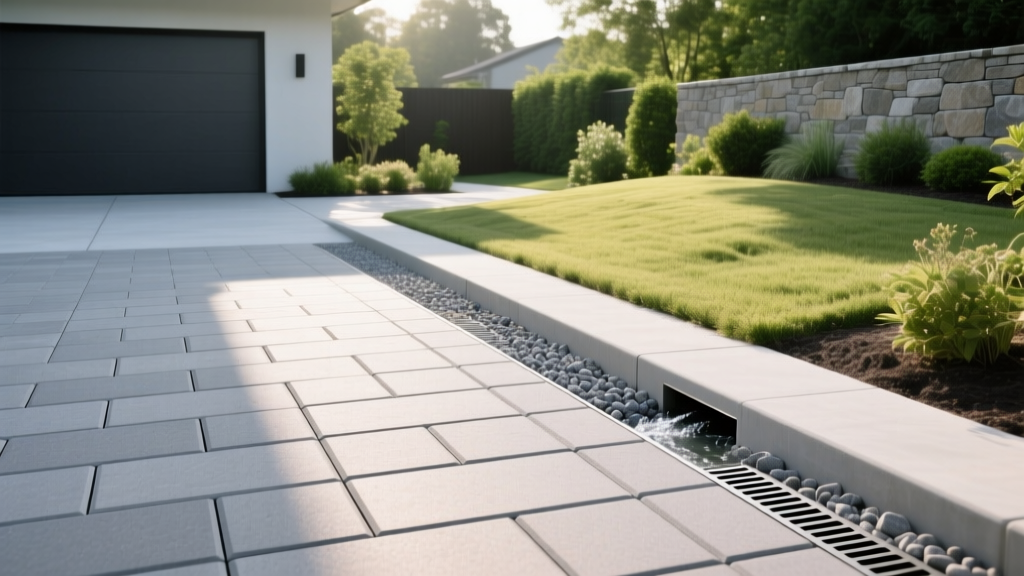
2026 Belgard Aqua-Roc Driveway French Drain Setup
Anna KowalskiPublished
The Evolution of Driveway Drainage in 2026
As extreme weather patterns and heavier rainfall events become the norm in 2026, sustainable hardscaping has transitioned from a niche luxury to an absolute necessity for modern homeowners. Permeable paver driveways are at the forefront of this movement, allowing stormwater to percolate directly into the ground rather than overwhelming municipal sewer systems. However, even the most advanced permeable systems require a fail-safe mechanism to handle deluge events. This is where the integration of a specialized French drain becomes critical, particularly when installing premium systems like the Belgard Aqua-Roc permeable paver driveway.
According to the United States Environmental Protection Agency (EPA), permeable pavements are highly effective at reducing runoff volume and filtering pollutants. Yet, the EPA also notes that in soils with low infiltration rates, such as heavy clay, an underdrain or overflow system is mandatory to prevent the aggregate reservoir from becoming completely saturated. In this comprehensive guide, we will explore exactly how to design, install, and maintain a French drain system tailored specifically for a Belgard Aqua-Roc permeable driveway in 2026.
Why the Belgard Aqua-Roc System Requires a French Drain
The Belgard Aqua-Roc system is engineered to maximize water infiltration. It utilizes a specific open-graded aggregate base—typically ASTM No. 57 and No. 8 washed stone—that creates a substantial sub-surface reservoir. When it rains, water passes through the paver joints and the bedding layer, temporarily storing in the voids of the aggregate base before slowly infiltrating the native soil below.
However, native soil percolation rates vary wildly. If your property features dense clay soil, a high seasonal water table, or a compacted subgrade, the water will pool in the aggregate reservoir. During a severe 2026 storm event, this reservoir can reach maximum capacity. Without a relief valve, the water will back up, potentially causing hydrostatic pressure that leads to paver heaving, joint washout, or structural failure of the driveway edges. A properly installed French drain acts as this vital relief valve, capturing excess water from the Aqua-Roc reservoir and daylighting it safely away from your property.
Strategic French Drain Placement for Permeable Pavers
Unlike a traditional French drain installed in a lawn to catch surface runoff, a French drain for a permeable driveway is integrated directly into the hardscape's sub-base or along its perimeter. There are two primary placement strategies:
- Sub-Base Underdrain (Internal): A perforated pipe is laid at the very bottom of the excavated subgrade, embedded within the lowest layer of the open-graded aggregate. This is the most effective method for managing deep reservoir saturation.
- Edge Drain (Perimeter): A French drain trench is dug immediately adjacent to the driveway's edge restraint, intercepting water as it exits the side of the paver system. This is ideal for driveways built on sloped terrain where water naturally migrates to the lower edge.
For the Belgard Aqua-Roc system, the internal sub-base underdrain is the industry standard recommended by hardscape engineers, ensuring that the entire depth of the driveway reservoir is protected from saturation.
Step-by-Step French Drain Installation for Belgard Aqua-Roc
Installing a French drain beneath a permeable driveway requires strict adherence to modern engineering standards. The Penn State Extension emphasizes that improper base preparation and drainage integration are the leading causes of permeable pavement failure. Follow these steps to ensure a flawless 2026 installation.
Step 1: Excavation and Slope Calculation
Begin by excavating the driveway area to the required depth, which typically ranges from 12 to 18 inches depending on the expected load and local frost lines. The native subgrade must be compacted and graded to a minimum 1% slope toward the designated daylight outlet or dry well. This slope ensures that once the water enters the French drain pipe, gravity will efficiently carry it away from the property.
Step 2: Pipe Selection and Trenching
Dig a narrow secondary trench (about 6 inches wide and 4 inches deep) along the lowest point of the sloped subgrade. For 2026 installations, avoid cheap corrugated flexible piping, which can crush under vehicular loads and trap sediment in its ridges. Instead, use rigid SDR 35 PVC perforated pipe. Place the pipe in the trench with the perforations facing downward. This counterintuitive placement allows water to rise into the pipe from the bottom, preventing fine sediments from washing directly into the holes and causing clogs.
Step 3: Aggregate Integration (The No-Fabric Rule)
Here is where modern permeable paver installation diverges from traditional landscaping French drains. In a standard lawn French drain, you would wrap the pipe in non-woven geotextile fabric to keep dirt out. Do not use geotextile fabric around the pipe in a Belgard Aqua-Roc sub-base. The entire base consists of clean, washed, open-graded stone (ASTM No. 57). Because there are no fine particles to clog the system, fabric is unnecessary and will actually inhibit the rapid flow of water from the aggregate reservoir into the pipe. Simply backfill the trench around the SDR 35 pipe with the same washed No. 57 stone used for the driveway's base reservoir.
Step 4: Building the Aqua-Roc Reservoir and Bedding
Once the pipe is surrounded by the No. 57 base stone, continue building the reservoir layer to the specified depth, compacting it in 4-inch lifts using a vibratory plate compactor. Above the base reservoir, install the ASTM No. 8 bedding stone layer, followed by the Belgard Aqua-Roc permeable pavers. Finally, sweep the specialized jointing stone into the paver gaps to lock the system in place while maintaining permeability.
2026 Cost Breakdown: Materials and Labor
Integrating a French drain into a permeable driveway adds to the initial investment but saves thousands in potential repair costs. Below is an estimated cost breakdown for 2026, based on national averages for a standard 500-square-foot driveway integration.
| Component | Specification | Estimated 2026 Cost |
|---|---|---|
| Excavation & Subgrade Prep | Heavy machinery, 18-inch depth, soil hauling | $1,200 - $1,800 |
| SDR 35 Perforated PVC Pipe | Rigid, schedule-rated, 4-inch diameter | $150 - $250 |
| Open-Graded Aggregate (Base) | ASTM No. 57 washed stone (approx. 25 tons) | $1,500 - $2,200 |
| Bedding & Jointing Stone | ASTM No. 8 and fine permeable joint aggregate | $400 - $600 |
| Belgard Aqua-Roc Pavers | Premium permeable paver units | $2,500 - $4,000 |
| Specialized Labor | ICPI-certified hardscape installation crew | $3,500 - $5,500 |
| Total Estimated Project | Turnkey installation with integrated drainage | $9,250 - $14,350 |
Common French Drain Mistakes to Avoid in 2026
Even experienced landscapers can make critical errors when transitioning from traditional drainage to permeable hardscape drainage. Avoid these common pitfalls:
- Using Fabric in the Sub-Base: As mentioned, wrapping the pipe or lining the subgrade with geotextile fabric will bottleneck water flow and defeat the purpose of the open-graded Aqua-Roc reservoir.
- Undersizing the Outlet: The daylight outlet or dry well must be sized to handle the overflow of the entire driveway surface area during a 100-year storm event. A standard 4-inch pipe is usually sufficient, but the outlet itself must not be restricted by debris screens that easily clog.
- Ignoring Edge Restraints: Permeable pavers require robust edge restraints. If the French drain trench undermines the edge restraint, the pavers will spread and fail. Ensure the edge restraint is set in concrete on a stable, undisturbed subgrade outside the drain trench.
Maintenance for Long-Term Permeability
A Belgard Aqua-Roc driveway with an integrated French drain is not a 'set it and forget it' system. To maintain optimal performance in 2026 and beyond, regular maintenance is required. The primary enemy of permeable pavers is sediment accumulation in the joints, which blocks water from entering the sub-base and forces all water into the French drain, potentially overwhelming it.
Homeowners should schedule a professional regenerative air vacuuming service every 18 to 24 months. This specialized equipment blows compressed air into the joints to dislodge trapped sediment and simultaneously vacuums it away, restoring the driveway's original infiltration rate. Additionally, inspect the French drain daylight outlet every spring and autumn to ensure that leaves, soil, and landscaping mulch have not blocked the pipe's exit point. By combining the structural brilliance of the Belgard Aqua-Roc system with a meticulously installed French drain, you secure a driveway that is as resilient as it is beautiful, perfectly equipped to handle the environmental demands of the modern era.

