
Landscaping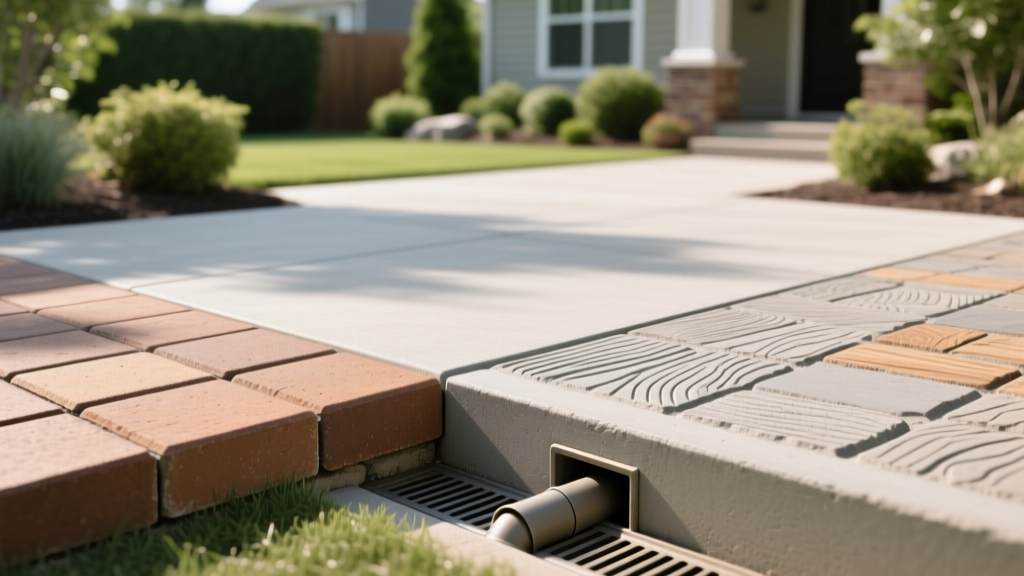
Belgard Pavers vs Stamped Concrete 2026: Cost & Drainage
Emily WatsonPublished
The 2026 Hardscaping Showdown: Belgard Pavers vs. Stamped Concrete
When planning a luxury outdoor living space in 2026, homeowners and landscape architects are frequently torn between two premium hardscaping materials: Belgard paver patios and stamped concrete. Both options offer stunning aesthetic appeal, mimicking natural stone, brick, or slate, but they perform vastly differently when exposed to the elements. While most guides focus solely on surface-level aesthetics and basic pricing, true landscape longevity depends on what lies beneath. From the perspective of landscape drainage pipe integration, subsurface water management, and long-term structural integrity, the choice between Belgard pavers and stamped concrete requires a deep understanding of hydrology. In 2026, with extreme weather events and heavy rainfall becoming more common, integrating the correct landscape drainage pipe systems into your patio design is no longer optional—it is a critical necessity.
The Financial Investment: 2026 Cost Breakdown
Understanding the upfront and long-term costs of your patio project is essential. In 2026, material costs, specialized labor, and the necessary subsurface drainage infrastructure all play a role in the final price tag. Stamped concrete generally offers a lower initial entry price, but Belgard pavers provide superior long-term value when factoring in drainage maintenance and repairability.
| Feature | Belgard Paver Patio (Installed) | Stamped Concrete (Installed) |
|---|---|---|
| Base Material Cost (per sq. ft.) | $14.00 - $22.00 | $10.00 - $16.00 |
| Labor & Preparation (per sq. ft.) | $12.00 - $18.00 | $8.00 - $14.00 |
| Landscape Drainage Pipe Integration | $1,200 - $2,500 (Subsurface French Drains) | $800 - $1,800 (Trench Drains & Catch Basins) |
| Total Average Cost (per sq. ft.) | $26.00 - $40.00 | $18.00 - $30.00 |
| Expected Lifespan | 50+ Years (with proper drainage) | 25 - 30 Years |
According to Belgard Hardscapes, investing in high-quality interlocking pavers not only elevates the curb appeal but also allows for modular repairs, which heavily influences the lifetime cost of ownership. However, the true hidden cost in both systems is water management. Failing to budget for high-capacity landscape drainage pipes will result in catastrophic base failure, regardless of the surface material you choose.
Durability and Climate Resilience in 2026
Durability is heavily dictated by how well a patio handles the freeze-thaw cycles and soil expansion inherent in changing climates. Stamped concrete is poured as a single, monolithic slab. While modern 2026 concrete mixes include fiber reinforcement and advanced air-entrainment to resist surface scaling, the slab is fundamentally rigid. If the soil beneath it shifts, or if hydrostatic pressure builds up due to poor subsurface drainage, the concrete will crack. Once cracked, stamped concrete is notoriously difficult to repair without leaving a visible blemish.
Belgard pavers, on the other hand, are flexible by design. They are installed over a compacted aggregate base and a bedding layer of sand or stone dust. When the ground shifts or freezes, the pavers move slightly and then settle back into place, completely eliminating the risk of structural cracking. This flexibility makes Belgard pavers vastly superior in regions with heavy clay soils or severe winter climates, provided the underlying landscape drainage pipes are correctly sized to prevent base washout.
The Hidden Factor: Landscape Drainage Pipe Integration
The most critical point of failure for any hardscape is water. Whether it is surface runoff from a heavy storm or subsurface groundwater rising during the spring thaw, water must be managed and redirected. This is where the installation of specialized landscape drainage pipes becomes the defining factor in your patio's survival.
Managing Surface Runoff: Stamped Concrete and Trench Drains
Because stamped concrete is entirely impermeable, 100% of the rainfall that hits its surface becomes runoff. To prevent this water from pooling against your home's foundation or flooding your garden beds, the patio must be pitched at a minimum 2% slope. However, slope alone is often insufficient for large patios or areas surrounded by retaining walls.
For stamped concrete, landscape architects rely heavily on surface-level trench drains (also known as channel drains). These linear drains are embedded directly into the concrete pour. They capture massive volumes of surface water and route it into solid, non-perforated PVC or corrugated HDPE landscape drainage pipes. These solid pipes must carry the water away from the property to a storm drain, dry well, or daylighted exit point. If these landscape drainage pipes become clogged with debris or tree roots, the water will back up, pool on the concrete, and eventually cause the slab to heave or crack under hydrostatic pressure.
Sub-Base Infiltration: Belgard Pavers and Perforated Pipes
Belgard pavers offer a unique hydrological advantage, especially when utilizing permeable paver systems or standard pavers with open-graded aggregate bases. Water can seep through the joints and infiltrate the base material below. While this reduces surface runoff and aligns perfectly with the Environmental Protection Agency (EPA) guidelines for green infrastructure and stormwater management, it introduces a new challenge: managing the water that is now trapped beneath the patio.
To prevent the aggregate base from becoming saturated and turning into mud, a network of perforated landscape drainage pipes must be installed at the lowest point of the excavated subgrade. Wrapped in a geotextile fabric to prevent soil intrusion, these perforated pipes act as a French drain system. As water percolates down through the Belgard pavers and the crushed stone base, it enters the perforated landscape drainage pipes and is safely carried away from the patio area. According to drainage experts at National Drainage Solutions (NDS), utilizing high-flow corrugated pipes with proper gravel envelopes is essential for maintaining the structural integrity of permeable and semi-permeable hardscapes.
Expert Landscaping Tip: When installing Belgard pavers over a French drain system, always use a heavy-duty non-woven geotextile fabric between the native soil and your drainage aggregate. This prevents fine silt from migrating into your perforated landscape drainage pipes, ensuring your subsurface drainage system remains functional for decades.
Maintenance, Repairs, and Drainage Access
Maintenance is where the Belgard vs. stamped concrete debate reaches its conclusion. Stamped concrete requires resealing every 2 to 3 years to protect the color and prevent water intrusion into micro-cracks. If a tree root or a failing landscape drainage pipe causes the concrete slab to heave or crack, the only repair option is often to saw-cut the damaged section, demolish it, and pour new concrete—which will never perfectly match the faded, weathered stamp of the original patio.
Belgard pavers require minimal maintenance. Joint sand may need to be topped up every few years, and a mild wash will keep them looking pristine. More importantly, if a subsurface landscape drainage pipe requires repair, or if a tree root disrupts the base, you can simply unzip the surface. By lifting the affected Belgard pavers, repairing the landscape drainage pipe or re-grading the base, and replacing the exact same pavers, the patio is restored to its original condition with zero visible evidence of the repair. This modular advantage makes Belgard pavers the undisputed champion of long-term serviceability.
Final Verdict for Your 2026 Landscape Project
Choosing between a Belgard paver patio and stamped concrete in 2026 ultimately comes down to your budget, your local climate, and your commitment to proper water management. Stamped concrete remains a viable, cost-effective option for smaller, easily sloped areas where surface trench drains and solid landscape drainage pipes can efficiently handle runoff. It provides a seamless, elegant look that is perfect for modern outdoor kitchens and fire pit areas.
However, if you are building a large-scale outdoor living space, dealing with expansive clay soils, or looking to implement eco-friendly stormwater management, Belgard pavers are the superior investment. The ability to integrate perforated landscape drainage pipes into an open-graded base system ensures that your patio will remain level, intact, and beautiful for half a century. By prioritizing subsurface hydrology and investing in high-quality landscape drainage pipes from the very beginning of your design phase, you guarantee that your hardscape will withstand the test of time and weather.

