
Landscaping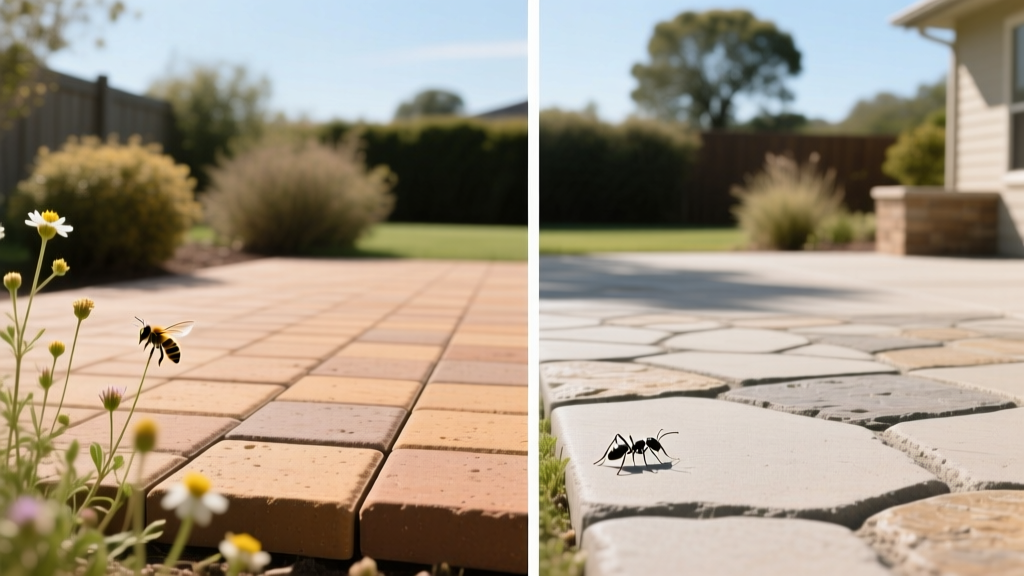
Belgard Pavers vs Stamped Concrete: 2026 Cost & Wildlife Impact
David ParkPublished
Introduction: Hardscaping in 2026 Beyond Aesthetics
As homeowners plan their outdoor living spaces in 2026, the decision between a Belgard paver patio and stamped concrete involves much more than just curb appeal and budget. Modern landscaping requires a holistic approach that considers the local ecosystem, yard animal management, and long-term environmental impact. While both materials offer stunning visual results, their physical structures interact very differently with local wildlife, insects, and burrowing pests. Understanding these nuances is critical for homeowners who want to minimize pest invasions, protect local fauna, and avoid costly ecological repairs. In this comprehensive guide, we break down the 2026 costs, durability factors, and the often-overlooked wildlife management implications of choosing between premium Belgard pavers and stamped concrete.
The 2026 Cost Breakdown: Belgard Pavers vs. Stamped Concrete
Pricing for hardscaping materials has stabilized in 2026 following the supply chain fluctuations of the early 2020s. However, the true cost of a patio extends far beyond the initial installation. When factoring in wildlife-related maintenance—such as pest deterrents, joint re-sanding, and crack sealing—the long-term financial picture shifts significantly. Below is a comparative look at the average costs per square foot for a standard 400-square-foot patio installation in 2026.
| Cost Factor (Per Sq. Ft.) | Belgard Pavers (2026 Average) | Stamped Concrete (2026 Average) |
|---|---|---|
| Base Materials | $6.50 - $12.00 | $4.00 - $8.00 |
| Labor & Installation | $11.00 - $16.00 | $10.00 - $14.00 |
| Base Preparation (Gravel/Sand) | $3.00 - $5.00 | $2.00 - $3.50 |
| Wildlife/Pest Deterrent Add-ons | $1.50 - $3.00 (Polymeric Sand) | $0.50 - $1.50 (Joint Sealants) |
| 10-Year Maintenance & Repairs | $4.00 - $6.00 | $8.00 - $12.00 |
| Total Estimated 10-Year Cost | $26.00 - $42.00 | $24.50 - $39.00 |
While stamped concrete generally holds a slight edge in initial upfront costs, Belgard pavers often prove more cost-effective over a decade when factoring in the structural repairs required to fix animal-induced damage or natural settling cracks.
Durability and the Micro-Ecosystem
Durability in hardscaping is traditionally measured by resistance to freeze-thaw cycles, heavy foot traffic, and UV fading. However, from a wildlife management perspective, durability also means resisting the destructive forces of nature. Stamped concrete is poured as a monolithic slab. While incredibly strong, it is prone to micro-fractures and control joint separation over time. These tiny crevices become prime real estate for moisture retention, weed growth, and insect habitats. Conversely, Belgard pavers are individual units laid over a flexible aggregate base. They do not crack; instead, they shift slightly with ground movement. This flexibility prevents the formation of deep crevices, but the joints between the pavers present their own unique ecological challenges if not properly sealed with modern 2026 polymeric compounds.
Wildlife and Yard Animal Management: The Hidden Factor
According to the National Wildlife Federation, creating a balanced yard ecosystem means managing habitats responsibly. Your patio choice directly dictates which animals feel welcome—and which pests decide to move in.
Insect Habitats and Ant Colonies
One of the most common complaints with traditional paver patios is ant excavation. Carpenter ants and pavement ants love the loose sand between older paver joints, using them to build extensive subterranean colonies that eventually cause the patio to sink. In 2026, this issue is largely mitigated when installing Belgard pavers by utilizing advanced, eco-friendly polymeric sands. These modern sands bind together like mortar when activated with water, creating a solid barrier that insects cannot penetrate. Stamped concrete avoids the joint issue entirely, but the decorative control joints (the grooved lines designed to control cracking) frequently harbor earwigs, spiders, and moisture-loving insects if not routinely cleaned and sealed with flexible urethane caulking.
Rodents and Burrowing Animals
Voles, chipmunks, and groundhogs are notorious for undermining hardscapes. A stamped concrete patio typically requires a deeper, reinforced concrete footing or a thick gravel base that acts as a formidable barrier against burrowing rodents. It is exceedingly difficult for a vole to dig beneath a properly poured concrete slab. Belgard pavers, however, rely on edge restraints and a compacted crushed stone base. If the perimeter soil washes away or if edge restraints fail, rodents can easily dig beneath the patio edge, creating tunnels that lead to massive sinkholes in the paver surface. To combat this in 2026, landscapers recommend installing a heavy-duty, deep-set aluminum or composite edge restraint buried at least 6 inches into the soil, combined with a layer of hardware cloth (metal mesh) beneath the base gravel to physically block burrowing animals.
Heat Retention and Reptile Safety
The urban heat island effect is a major consideration for modern landscaping. Stamped concrete, particularly when stained in popular dark slate or charcoal colors, absorbs and radiates immense amounts of heat during the summer months. Surface temperatures on dark stamped concrete can easily exceed 130°F in direct sunlight. This not only burns the paws of domestic pets but also creates dangerous microclimates for local wildlife. Amphibians like toads and frogs, which seek out cool, damp areas, can suffer fatal dehydration on hot concrete. Conversely, many Belgard paver lines feature lighter, natural stone tones and specialized UV-reflective aggregates that keep surface temperatures significantly lower. Furthermore, the slight gaps between pavers allow for minimal air circulation, reducing the ambient heat radiating off the patio and making the space safer for ground-dwelling reptiles and foraging birds.
Drainage, Mosquitoes, and Water Runoff
Standing water is the primary breeding ground for mosquitoes and a magnet for unwanted wildlife seeking a drink. Stamped concrete is entirely impermeable. If the grading settles even slightly over the years, low spots will form, creating persistent puddles after heavy rains. These puddles become mosquito nurseries within 48 hours. Belgard offers a superior solution through their permeable paver systems. As highlighted by Belgard's permeable paver engineering, these systems are designed with wider joints filled with clean, crushed stone, allowing rainwater to instantly percolate through the surface and back into the water table. This eliminates surface pooling entirely, drastically reducing mosquito breeding sites and preventing the stagnant water that attracts raccoons and feral cats to your yard.
Proactive Pest Management for Your Patio
Regardless of whether you choose Belgard pavers or stamped concrete, proactive maintenance in 2026 is essential for keeping yard animals at bay. Here is a structured checklist for wildlife-proofing your hardscape:
- For Belgard Pavers: Inspect polymeric sand joints every two years. Reapply sand and activate with water if you notice ants or weeds breaking through the surface. Ensure perimeter drainage directs water away from edge restraints to prevent soil erosion that invites rodents.
- For Stamped Concrete: Clean control joints with a pressure washer annually to remove organic debris and insect eggs. Apply a high-quality, wildlife-safe acrylic sealer every 2 to 3 years to prevent micro-cracking and water intrusion.
- Perimeter Defense: Plant natural pest deterrents like lavender, marigolds, or alliums around the patio border. These plants repel insects and small rodents without the use of harsh chemical pesticides that could harm beneficial pollinators.
- Lighting Considerations: Use warm-toned, low-voltage LED patio lights. Bright white or blue-tinted lights attract massive swarms of nocturnal insects, which in turn attract insectivorous wildlife like bats, frogs, and spiders to your immediate seating area.
Conclusion
The debate between Belgard pavers and stamped concrete in 2026 ultimately comes down to how you prioritize initial costs versus long-term ecological harmony. Stamped concrete offers a slightly lower upfront price and a solid barrier against burrowing rodents, but it carries a higher risk of heat retention, mosquito-breeding puddles, and costly crack repairs. Belgard pavers, particularly when installed with modern polymeric sands and permeable base systems, offer superior drainage, cooler surface temperatures, and a flexible structure that adapts to the earth without fracturing. By investing in proper base preparation, deep edge restraints, and permeable technologies, homeowners can enjoy a stunning, durable outdoor living space that respects the local ecosystem and keeps nuisance wildlife exactly where it belongs—out in the wild.
For more information on creating eco-friendly outdoor spaces, consult resources from the Concrete Network or your local landscaping extension office to ensure your 2026 patio project meets both your aesthetic dreams and your yard's ecological needs.

