
Landscaping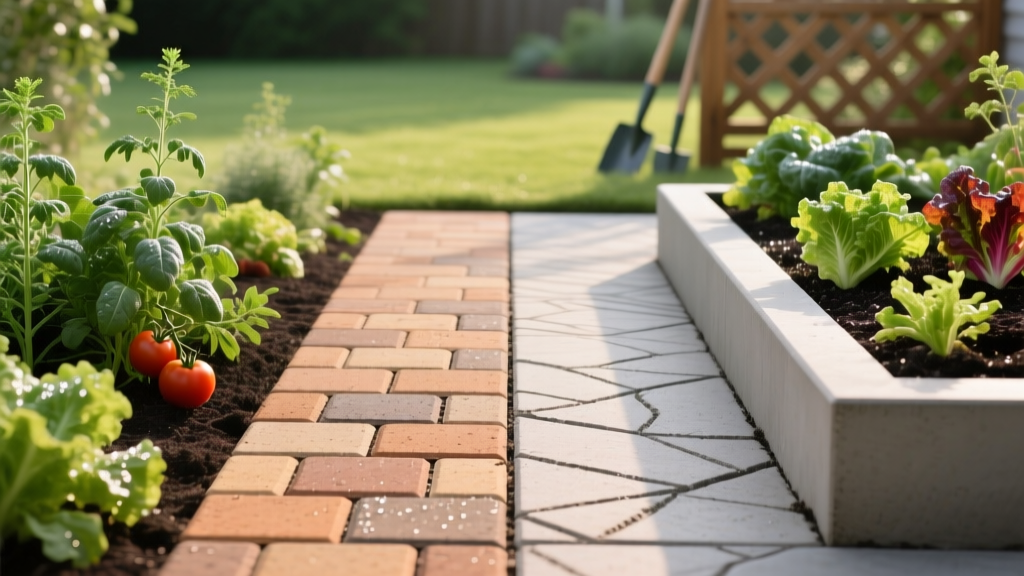
Belgard Pavers vs Stamped Concrete: 2026 Edible Patio Costs
James MillerPublished
Introduction to Foodscaping and Hardscaping in 2026
As the foodscaping movement continues to dominate residential landscape design in 2026, homeowners are increasingly blending the aesthetic beauty of traditional gardening with the practical yields of agriculture. Foodscaping is no longer just about tucking a few tomato plants behind the garage; it is about fully integrating edible perennials, fruit-bearing shrubs, and culinary herbs into the core living spaces of the home. When designing these lush, productive outdoor rooms, the hardscape foundation you choose plays a pivotal role in the health of your plants and the longevity of your patio. The most common debate we see this year centers on Belgard pavers versus stamped concrete. Both offer stunning visual appeal, but when viewed through the lens of edible landscaping, their differences in cost, durability, and soil interaction become critically important.
Why Hardscape Choice Matters for Edible Landscapes
When designing an edible landscape, the hardscape is not merely a place to put your patio furniture; it is the foundational infrastructure that dictates drainage, soil health, and microclimates. Edible plants, particularly heavy feeders like blueberries, dwarf citrus trees, and sprawling squash varieties, require precise moisture management and uncontaminated soil. The materials bordering your raised beds, herb spirals, and fruit tree zones will inevitably interact with the surrounding earth. Runoff from sealed surfaces, root intrusion from aggressive perennial edibles, and the need to modify garden layouts over time all demand a hardscape that is as functional as it is beautiful. Let us break down how Belgard interlocking pavers and stamped concrete perform in a dedicated foodscaping environment.
Belgard Pavers: The Modular Foodscaping Solution
Belgard pavers have long been a staple in high-end landscaping, and their 2026 lineup offers unprecedented versatility for edible gardens. Because they are individual interlocking units, Belgard pavers provide a modular hardscape that can adapt to the evolving nature of a food forest. If you decide to expand your asparagus patch or need to access underground irrigation lines for your raised beds, pavers can be carefully lifted and reinstalled without destroying the patio. Furthermore, Belgard offers specialized permeable systems, such as the Aqua-Roc line, which allow rainwater to filter through the joints and replenish the local water table or feed into subterranean cisterns for garden irrigation. This passive watering technique is a cornerstone of sustainable permaculture design.
Stamped Concrete: The Permanent Canvas
Stamped concrete provides a seamless, continuous surface that mimics natural stone, brick, or wood. In 2026, advanced stamping mats and integral color hardeners have made stamped concrete look more realistic than ever. For foodscaping, a large expanse of stamped concrete offers an exceptionally clean, flat surface for moving heavy wheelbarrows of compost, setting up large hydroponic towers, or hosting outdoor harvest dinners. However, its monolithic nature means it is entirely permanent. If the aggressive roots of a nearby fig tree or blackberry bramble cause the soil to heave, the concrete slab can crack. Repairing stamped concrete while maintaining the original pattern and color is notoriously difficult, often leaving visible scars that disrupt the natural aesthetic of an organic garden.
2026 Cost and Durability Comparison
Understanding the financial investment and lifespan of these materials is crucial for budgeting your 2026 landscape overhaul. Below is a detailed comparison of the current market rates and durability expectations for both hardscaping options.
| Feature | Belgard Pavers (2026) | Stamped Concrete (2026) |
|---|---|---|
| Average Installed Cost (per sq. ft.) | $22 - $38 | $16 - $26 |
| Expected Lifespan | 50+ years | 25 - 30 years |
| Root Intrusion Damage Risk | Low (Lift and relay) | High (Cracking and heaving) |
| Maintenance Requirements | Weed control in joints, sand top-ups | Resealing every 2-3 years |
| Permeability Options | High (Permeable joint aggregates) | None (Surface runoff only) |
While stamped concrete wins on initial upfront costs, Belgard pavers offer a vastly superior lifespan and lower long-term repair costs, especially in areas with expansive clay soils or aggressive edible root systems.
Soil Health, Chemical Runoff, and Edible Safety
The most critical divergence between these two materials lies in their interaction with the surrounding soil ecosystem. Stamped concrete requires the application of acrylic or polyurethane sealers every two to three years to protect the surface from UV fading and moisture penetration. During heavy rains, microscopic amounts of these chemical sealers can wash off the patio and into adjacent edible garden beds. According to the University of Minnesota Extension's research on urban soil contaminants, introducing foreign volatile organic compounds (VOCs) and synthetic polymers into the soil food web can disrupt beneficial mycorrhizal fungi and potentially be absorbed by shallow-rooted leafy greens. Belgard pavers, conversely, rely on polymeric sand or permeable jointing aggregates. These inert materials do not require toxic surface sealers, making them the definitively safer choice for organic foodscaping and permaculture zones where soil purity is paramount.
Planting in the Joints: Herb Spirals and Creeping Groundcovers
A hallmark of advanced foodscaping is the utilization of every available square inch for cultivation. With Belgard pavers, landscape designers can intentionally widen the joints between stones to plant creeping culinary herbs. Varieties like creeping thyme, Roman chamomile, and Corsican mint thrive in the warm, well-drained microclimates of paver joints. When stepped on, these herbs release aromatic oils that enhance the sensory experience of the garden. Stamped concrete only features structural control joints, which are typically cut deep and filled with flexible polyurethane caulk to prevent water intrusion. These sealed joints are entirely hostile to plant life, eliminating the possibility of integrated groundcover planting and forcing you to confine all edible flora strictly to the borders of the patio.
Drainage, Rainwater Harvesting, and Irrigation
Water management is the lifeblood of any edible garden. The United States Environmental Protection Agency (EPA) heavily promotes permeable pavement systems to reduce stormwater runoff and filter pollutants naturally through the soil substrate. By utilizing Belgard's official permeable paver systems, foodscapers can direct rainfall away from home foundations and straight into the root zones of nearby fruit trees or into hidden gravel reservoirs that slowly release moisture to surrounding garden beds during dry summer spells. Stamped concrete, being completely impermeable, sheds 100% of its rainwater to the lowest edge. If this edge borders a delicate herb spiral or a newly planted blueberry patch, the sudden deluge of concentrated runoff can cause severe soil erosion, wash away valuable topsoil, and drown sensitive plant roots.
Microclimates and Heat Retention
Edible plants are highly sensitive to temperature fluctuations. Darker stamped concrete surfaces can absorb and radiate immense amounts of heat during the peak of summer, potentially scorching the lower leaves of adjacent pepper plants or causing the soil in nearby raised beds to dry out prematurely. Belgard pavers, particularly those manufactured with lighter, reflective color palettes like the 'Coastal Slate' or 'Limestone' series, help mitigate the urban heat island effect. Additionally, the tiny gaps between pavers allow for minor air circulation and moisture evaporation from the base layer below, creating a slightly cooler, more humid microclimate that benefits heat-stressed crops like cilantro and spinach during late-spring transitions.
Final Verdict for the 2026 Edible Landscape
Choosing between Belgard pavers and stamped concrete ultimately depends on your long-term foodscaping goals. If your priority is a low-maintenance, highly durable, and ecologically safe foundation that integrates seamlessly with living groundcovers and permeable irrigation systems, Belgard pavers are the undisputed champion for edible landscapes in 2026. The ability to lift and adjust the hardscape as your garden evolves, combined with the absence of chemical sealers, provides peace of mind for the organic grower. Stamped concrete remains a viable, budget-friendly option for homeowners who prioritize large, unbroken entertaining spaces and plan to keep their edible plants strictly confined to distant raised beds or container gardens. However, for the true foodscaping enthusiast who views the patio and the garden as one interconnected, living ecosystem, the modular, breathable nature of Belgard pavers offers an unmatched canvas for cultivation.

