
Landscaping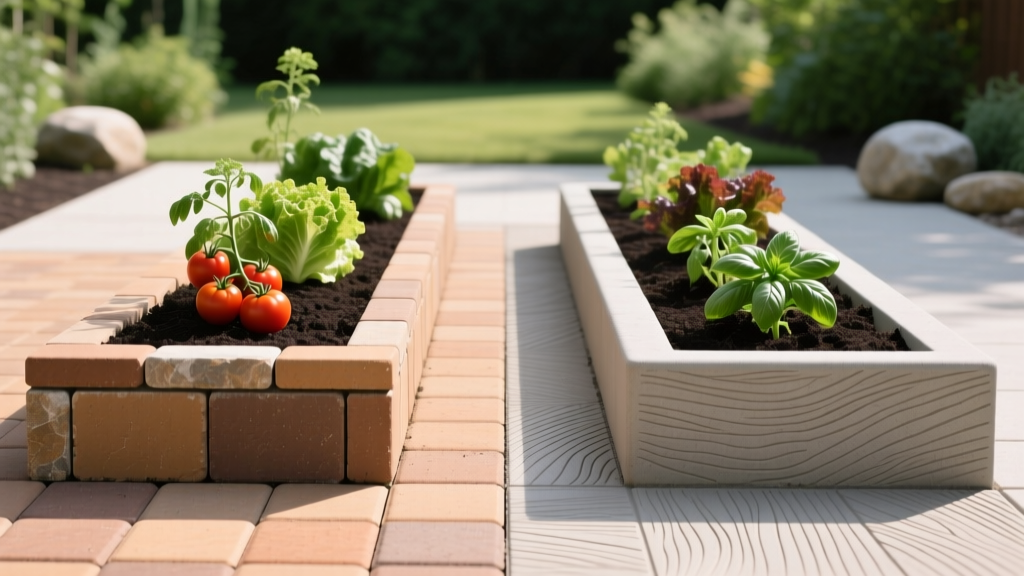
Raised Bed Patios 2026: Belgard Pavers vs Stamped Concrete
Emily WatsonPublished
The 2026 Edible Landscape: Where Hardscaping Meets Horticulture
As urban homesteading and edible landscaping continue to dominate outdoor design trends in 2026, homeowners are increasingly merging the functionality of vegetable gardening with the elegance of outdoor living spaces. One of the most critical, yet frequently overlooked, decisions in designing an edible patio is choosing the right hardscape material to surround and support your raised vegetable beds. The surface beneath and around your garden dictates drainage, soil temperature, maintenance, and even food safety.
When designing a dedicated patio space for raised bed vegetable gardening, two heavyweights often emerge in the landscaping debate: premium modular paving stones, such as those from Belgard's official hardscape catalog, and traditional stamped concrete. While both offer stunning aesthetic appeal, their interaction with the unique microclimate and moisture demands of a vegetable garden varies drastically. This comprehensive 2026 guide breaks down the cost, durability, and horticultural impacts of Belgard pavers versus stamped concrete for your raised bed garden oasis.
Why the Surface Beneath Your Raised Beds Matters
Placing heavy cedar, galvanized steel, or composite raised beds on a hardscape surface is not as simple as setting them on a lawn. A fully saturated 4x8 foot raised bed filled with loam and compost can easily weigh over 2,000 pounds. The base material must withstand immense point-loads without cracking or shifting. Furthermore, vegetable gardens require frequent, deep watering. The hardscape must manage the inevitable runoff, mud splatter, and organic debris without becoming a slippery hazard or a breeding ground for fungal pathogens.
According to Penn State Extension's guide on raised bed gardening, proper drainage and site selection are paramount for preventing root rot and soil-borne diseases. If your hardscape traps water beneath the bed's base boards, the bottom six inches of your soil profile will remain anaerobic and sour, severely stunting the growth of deep-rooted crops like carrots and tomatoes.
Belgard Pavers: The Permeable Choice for Organic Gardens
Belgard pavers have long been a staple in high-end landscape design, and their 2026 lineup offers exceptional benefits for the edible gardener. Modular pavers like the Belgard Urbana or the Mega-Arbel provide a natural, textured look that complements the rustic appeal of wooden raised beds or the modern edge of corten steel planters.
Pros for Raised Bed Gardening
- Permeability Options: Belgard offers permeable paver systems (such as the Eco-Optiloc) that allow water to drain through the joints and into a gravel sub-base. This prevents puddling around the base of your raised beds and reduces stormwater runoff.
- Chemical-Free Surface: Pavers do not require chemical acrylic sealers to maintain their color or structural integrity. For organic gardeners, this eliminates the risk of volatile organic compounds (VOCs) or sealant runoff leaching into your vegetable soil.
- Thermal Regulation: The sand joints between pavers provide minor air gaps that help dissipate heat. This keeps the root zones of your plants cooler during the peak heatwaves of July and August.
- Easy Utility Access: If you need to run a new drip irrigation line or replace a settling base board on your raised bed, individual pavers can be lifted and replaced without destroying the entire patio.
Cons for Raised Bed Gardening
- Weed Growth in Joints: Polymeric sand helps, but organic matter from the garden can accumulate in the joints, encouraging weed growth that requires periodic maintenance.
- Higher Initial Cost: The excavation, base preparation, and labor required for a proper paver installation generally cost more per square foot than pouring concrete.
Stamped Concrete: Aesthetic Appeal with Hidden Garden Drawbacks
Stamped concrete involves pouring a continuous slab of concrete and imprinting it with mats to mimic the look of brick, slate, or natural stone. In 2026, advanced stamping techniques and integral color hardeners have made stamped concrete look more realistic than ever. However, its monolithic nature presents distinct challenges for the edible landscape.
Pros for Raised Bed Gardening
- Smooth Surface for Equipment: A sealed, stamped concrete patio provides a perfectly flat, hard surface for rolling heavy garden carts, wheelbarrows, and mobility aids without the bumpiness of paver joints.
- Lower Initial Labor Cost: While materials and finishing require expertise, the lack of individual stone placement means stamped concrete can often be installed faster and slightly cheaper than premium pavers.
Cons for Raised Bed Gardening
- The Heat Island Effect: Concrete has a high thermal mass and low albedo. In direct sunlight, stamped concrete can reach surface temperatures exceeding 120°F in the summer. This radiant heat bakes the bottom layers of your raised beds, stressing cool-weather crops like lettuce, spinach, and radishes, and increasing your watering requirements.
- Chemical Sealers and Food Safety: Stamped concrete must be resealed every 2 to 3 years to prevent fading and moisture intrusion. These sealers are often solvent-based or contain acrylic polymers. In an edible garden where soil frequently spills onto the patio and is tracked back into the beds, introducing these chemicals near your food supply is a valid concern for organic growers.
- Zero Permeability: Water runoff from your raised beds will pool or require aggressive sloping toward French drains. If the slab settles unevenly under the immense weight of the soil beds, water will pool directly against the wood or metal of your planters, accelerating rot and rust.
2026 Cost and Durability Comparison Chart
When budgeting for your 2026 edible patio project, it is essential to look beyond the initial installation cost and consider the long-term lifecycle and maintenance requirements of the materials.
| Feature | Belgard Pavers (Permeable/Standard) | Stamped Concrete |
|---|---|---|
| 2026 Installed Cost (per sq. ft.) | $18.00 - $28.00 | $14.00 - $22.00 |
| Expected Lifespan | 25 - 50+ Years | 15 - 25 Years |
| Weight Load Tolerance | Excellent (Flexible base shifts) | Poor to Fair (Prone to cracking) |
| Water Permeability | High (with permeable base) | Zero (Requires surface drains) |
| Heat Retention | Moderate | High (Can stress plant roots) |
| Maintenance Required | Resealing every 2-3 years | |
| Repairability | High (Replace single stones) | Low (Patching is highly visible) |
Drainage, Runoff, and Soil Health
Water management is the lifeblood of any raised bed vegetable garden. When you water a 12-inch deep raised bed, the excess moisture must go somewhere. The EPA's overview on permeable pavement highlights how permeable hardscapes reduce stormwater runoff, filter pollutants, and replenish groundwater. Applying this to a residential edible garden means that overflow from your tomato and pepper beds filters naturally through the paver joints and into the earth below, rather than washing topsoil, organic fertilizers, and compost teas into the municipal storm drain.
Conversely, a stamped concrete patio acts as an impermeable funnel. To protect your home's foundation and your patio surface, contractors must slope the concrete away from structures. This often results in nutrient-rich garden runoff washing directly into your lawn or neighboring properties. Furthermore, the constant presence of standing water on concrete near the base of wooden raised beds will rapidly accelerate the decomposition of untreated cedar and cause galvanized steel beds to rust prematurely at the contact line.
Step-by-Step Base Preparation for Heavy Raised Beds
Whether you choose Belgard pavers or stamped concrete, preparing the sub-base to handle the extreme point-loads of a raised bed garden is non-negotiable in 2026 landscaping standards.
- Excavation and Geotextile Fabric: Excavate at least 8 to 12 inches below the final grade. Lay a heavy-duty, non-woven geotextile fabric to prevent base materials from migrating into the native clay or topsoil.
- Aggregate Base: For pavers, use a crushed angular gravel base (like ASTM No. 57 or No. 8 stone for permeable systems) compacted in 2-inch lifts. For concrete, a compacted gravel base topped with a vapor barrier and rebar mesh is standard.
- Leveling the Footprint: Use a laser level to ensure the exact footprint where the raised beds will sit is perfectly flat. Even a 1-degree slope will cause soil to shift to one side of the bed over the season, creating uneven water distribution.
- Protective Buffer: Place a high-density rubber mat or heavy-duty landscape fabric between the bottom of your raised bed and the hardscape. This prevents the bed from scratching the pavers, allows for minor airflow, and stops soil from washing directly into the paver joints or staining the concrete sealer.
Final Verdict for the Home Gardener
For the dedicated vegetable gardener designing an edible patio in 2026, Belgard pavers are the superior choice. The ability to utilize permeable joint systems ensures that your garden's excess water is managed sustainably, protecting both your soil structure and the surrounding environment. Furthermore, the absence of required chemical sealers aligns perfectly with the organic principles that drive most home vegetable growers. While stamped concrete offers a slightly lower upfront cost and a smooth surface for garden carts, its high heat retention, impermeability, and reliance on chemical maintenance make it a less hospitable foundation for a thriving, productive raised bed vegetable garden. Invest in modular pavers, and your edible landscape will remain beautiful, functional, and safe for decades to come.

