Pest Control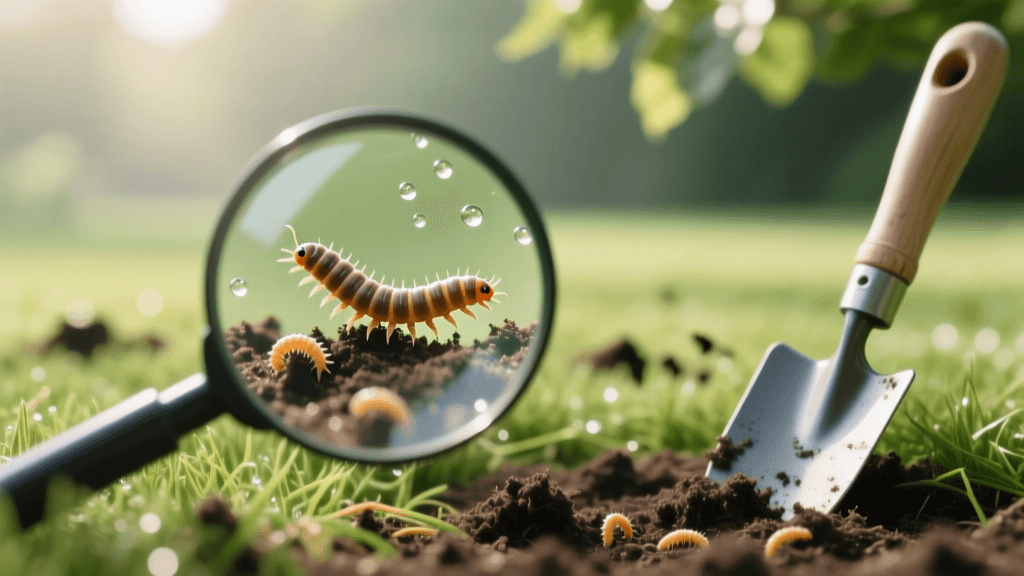
Eco-Friendly Grub Control: Using Beneficial Nematodes
The Hidden Menace: Lawn Grubs and Chemical Overuse
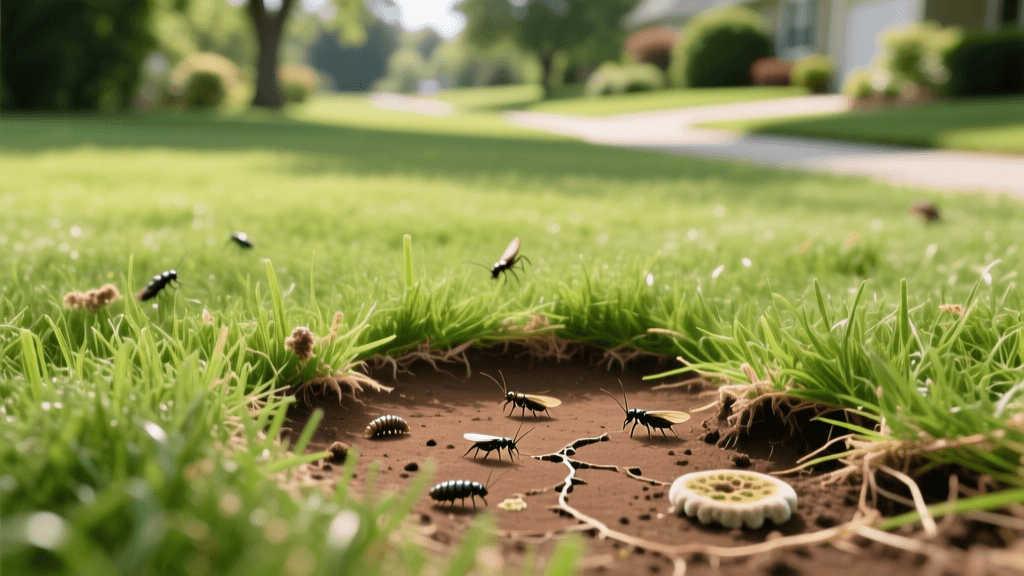
Lawn grubs—the larval stage of various beetle species such as Japanese beetles, June bugs, and European chafers—are a notorious threat to turf health. These C-shaped, white grubs live just beneath the soil surface, feasting on grassroots. A severe infestation can turn a lush, green lawn into a spongy, brown wasteland almost overnight. Furthermore, the damage they cause often attracts secondary pests like skunks, raccoons, and crows, which tear up the turf to feast on the protein-rich larvae.
Historically, homeowners and landscapers have relied heavily on synthetic chemical pesticides, particularly neonicotinoids like imidacloprid and halofenozide, to combat grub populations. While effective, these broad-spectrum chemicals come with a heavy environmental toll. They can persist in the soil, leach into groundwater, and pose severe risks to non-target organisms, most notably essential pollinators like bees. As the push for sustainable lawn care grows, eco-friendly and integrated pest management (IPM) strategies have taken center stage. Among the most powerful and sustainable biological controls available today are beneficial nematodes.
What Are Beneficial Nematodes?
Beneficial nematodes are microscopic, unsegmented roundworms that naturally occur in soils worldwide. While some nematode species are plant-parasitic and harmful to gardens, the species used for pest control are entomopathogenic—meaning they specifically seek out, infect, and kill insects without harming plants, humans, pets, or earthworms.
When applied to the lawn, these microscopic hunters actively search for grub larvae in the soil. Once they locate a host, they enter the insect through natural body openings and release a symbiotic bacteria (Xenorhabdus or Photorhabdus). This bacteria rapidly multiplies, killing the grub within 24 to 48 hours. The nematodes then feed on the developing bacteria and the decomposing host, reproduce, and release a new generation of infective juveniles into the soil to hunt for the next grub.
Why Choose Nematodes Over Chemical Pesticides?
Transitioning from synthetic chemicals to biological controls offers numerous advantages for the eco-conscious homeowner:
- Targeted Action: Nematodes only attack specific soil-dwelling pests, leaving beneficial insects, earthworms, and pollinators completely unharmed.
- No Chemical Residue: Because they are living organisms, nematodes do not leave toxic residues in the soil or water supply.
- No Pest Resistance: Unlike chemical pesticides, which can lead to resistant pest strains over time, the biological mechanism of nematodes and their symbiotic bacteria makes it virtually impossible for grubs to develop genetic resistance.
- Self-Sustaining Populations: Under the right conditions, nematodes will reproduce within the dead hosts and continue to patrol your soil for months, providing long-term suppression.
Choosing the Right Nematode Species
Not all nematodes are created equal. Different species have varying hunting strategies, temperature tolerances, and target pests. For grub control, two species are primarily utilized: Heterorhabditis bacteriophora (Hb) and Steinernema carpocapsae (Sc). A third, Steinernema feltiae (Sf), is better suited for shallow pests like fungus gnats.
| Species | Hunting Strategy | Primary Target Pests | Ideal Soil Temp | Depth of Activity |
|---|---|---|---|---|
| Heterorhabditis bacteriophora (Hb) | Cruiser (actively searches soil) | Japanese beetle grubs, June bugs, European chafers | 60°F - 85°F | Deep soil (up to 7 inches) |
| Steinernema carpocapsae (Sc) | Ambusher (waits near surface) | Armyworms, cutworms, webworms, some surface grubs | 65°F - 85°F | Shallow soil (top 1-2 inches) |
| Steinernema feltiae (Sf) | Cruiser / Ambusher hybrid | Fungus gnats, thrips pupae, flea beetles | 50°F - 75°F | Shallow to medium soil |
For deep-feeding lawn grubs like the Japanese beetle, Heterorhabditis bacteriophora (often sold under brand names like NemaSeek Hb or BioLogic's Ecomask) is the undisputed champion. Its active cruising behavior allows it to track down grubs hiding deep in the root zone.
Optimal Timing for Application
Timing is the most critical factor in the success of a nematode application. Nematodes must be applied when grubs are young, small, and actively feeding near the soil surface. In most North American climates, this window falls between mid-August and late September. During this period, the newly hatched grubs are highly susceptible to infection.
A secondary, less effective window occurs in the spring (April to May). However, spring grubs are larger, more mature, and preparing to pupate, meaning they require a much higher dose of nematodes to achieve control. Soil temperature must also be consistently between 60°F and 85°F. Applying nematodes to cold spring soil or scorching mid-summer dirt will result in massive die-offs before they can infect a single grub.
Step-by-Step Application Guide
Beneficial nematodes are living creatures that require careful handling. Follow these steps to ensure maximum viability and efficacy:
1. Preparation and Storage
Nematodes are typically shipped in a dormant state inside a sponge, clay powder, or gel formulation, packed with ice. Upon arrival, store them in a refrigerator (35°F to 50°F) immediately. Do not freeze them. When you are ready to apply, remove them from the fridge and let them acclimate to room temperature for about 30 minutes.
2. Lawn Preparation
Mow your lawn slightly shorter than usual and remove heavy thatch to ensure the nematodes can easily reach the soil. Water the lawn deeply a few hours before application. Nematodes require a moist environment to travel through the soil pores; dry soil is a death sentence.
3. Mixing the Solution
Fill a clean bucket with 2 to 3 gallons of water. Crucial Tip: If using municipal tap water, let it sit in an open bucket for 24 hours prior to mixing to allow chlorine and chloramines to off-gas, as these chemicals will kill the nematodes. Squeeze the nematode-infused sponge into the water or stir in the powder/gel according to the manufacturer's rates (typically 1 billion nematodes per 2,000 square feet for preventive maintenance, or up to 2 billion for active infestations). Stir gently and let the mixture sit for 10 minutes to allow the nematodes to wake up and disperse.
4. Application
Apply the mixture using a watering can, a hose-end sprayer, or a pump sprayer. Never apply nematodes in direct sunlight. UV radiation will kill them rapidly. Apply in the early evening, at dusk, or on a heavily overcast day. If using a sprayer, remove any fine mesh screens that might trap or crush the microscopic worms. Keep the mixture agitated frequently so the nematodes do not settle at the bottom of the tank.
5. Watering In and Post-Care
Immediately after application, water the lawn with an additional quarter-inch of water to wash any nematodes off the grass blades and deep into the soil. For the next 10 to 14 days, maintain consistent soil moisture by watering lightly every day or two. The soil should remain damp, but not waterlogged, to allow the nematodes to swim through the moisture films and locate their grub hosts.
Cost Breakdown and ROI
While the upfront cost of beneficial nematodes may appear higher than a bag of synthetic granular pesticide, the long-term ecological and financial ROI is substantial. Synthetic chemicals often require multiple applications and can degrade soil biology, leading to increased fertilizer costs and thatch buildup over time.
- Synthetic Grub Control (e.g., Imidacloprid): Costs roughly $5 to $10 per 1,000 sq. ft. However, this does not account for the environmental cleanup costs, pollinator decline, or soil degradation.
- Beneficial Nematodes (Hb species): A package containing 5 billion nematodes (treating roughly 10,000 sq. ft. for prevention) typically costs between $40 and $60, equating to $4 to $6 per 1,000 sq. ft. For active, heavy infestations, doubling the rate brings the cost to $8 to $12 per 1,000 sq. ft.
When factoring in the multi-year benefits of a balanced soil food web and the elimination of chemical runoff, nematodes are a highly cost-effective investment for sustainable lawn care.
Environmental Impact and Sustainability
The shift toward biopesticides is strongly supported by environmental organizations and agricultural extensions. According to the Environmental Protection Agency (EPA), biopesticides like beneficial nematodes are inherently less toxic than conventional pesticides, decompose quickly in the environment, and usually affect only the target pest and closely related organisms. Furthermore, Penn State Extension highlights that integrating nematodes into a turf management program drastically reduces the need for broad-spectrum insecticides, preserving local biodiversity and protecting watersheds from chemical contamination.
"By utilizing biological controls like entomopathogenic nematodes, homeowners can achieve professional-grade pest suppression while actively participating in the conservation of local pollinator populations and soil microbiomes."
Common Mistakes to Avoid
To ensure your eco-friendly grub control efforts are not in vain, avoid these common pitfalls:
- Applying in the Heat of the Day: UV light and high surface temperatures will decimate the nematode population before they reach the soil.
- Using Chlorinated Water: Always dechlorinate tap water or use rainwater/distilled water.
- Letting the Soil Dry Out: Nematodes are aquatic organisms on a microscopic scale. Without a continuous film of water in the soil pores, they cannot move and will desiccate.
- Using Expired Nematodes: Check the expiration date on the package. Nematodes have a limited shelf life, even when refrigerated, and their efficacy drops significantly as they age.
Conclusion
Managing lawn grubs does not require sacrificing the health of your local ecosystem. By embracing beneficial nematodes, you are deploying a highly evolved, natural predator that targets pests with surgical precision. With proper timing, careful handling, and consistent soil moisture, this eco-friendly method will restore the balance to your lawn's soil food web, resulting in a vibrant, resilient, and chemical-free turf for years to come.