Pest Control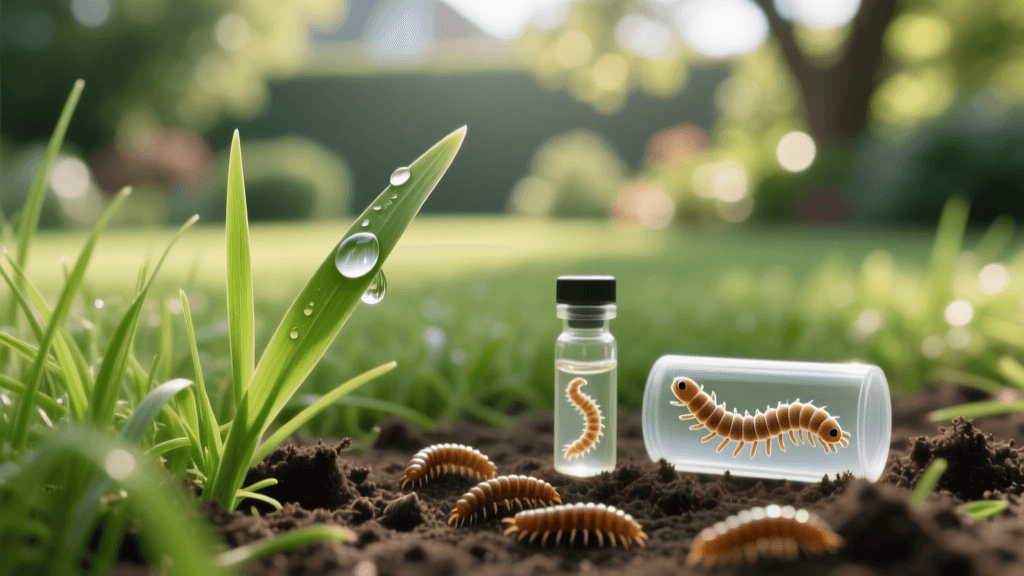
Beginner Guide: Using Beneficial Nematodes for Grubs
The Beginner's Secret to a Grub-Free Lawn
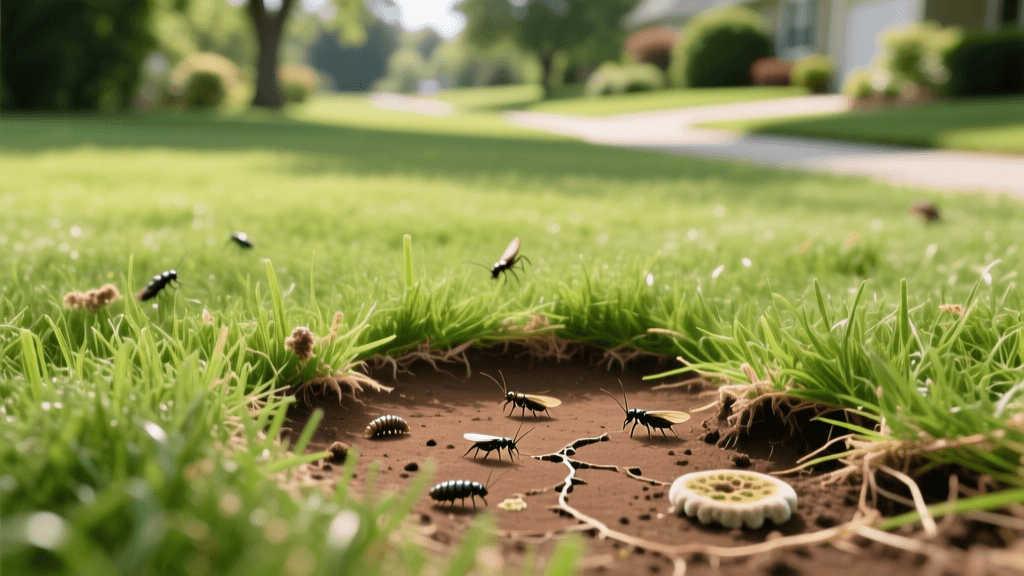
If you are a new homeowner or a beginner gardener discovering irregular patches of dead, brown, and easily pulled-up grass in your yard, you likely have a grub problem. Grubs are the larval stage of various beetles, including Japanese beetles, June bugs, and European chafers. They live just beneath the soil surface, feasting on the roots of your turfgrass, which severs the grass from its water and nutrient supply. While many beginners immediately reach for harsh chemical pesticides, there is a highly effective, organic, and beginner-friendly alternative: beneficial nematodes.
Chemical grub control products often contain synthetic active ingredients that can harm beneficial soil microbes, earthworms, and even pose risks to pets and children playing on the lawn. Integrated Pest Management (IPM) heavily favors biological controls whenever possible. Beneficial nematodes offer a targeted, natural approach to pest control that restores the balance of your lawn's ecosystem without the toxic side effects.
What Exactly Are Beneficial Nematodes?
Nematodes are microscopic, unsegmented roundworms that naturally occur in soils all over the world. While some nematodes are pests to plants, entomopathogenic (insect-killing) nematodes are the good guys. According to Penn State Extension, these specific nematodes actively hunt down soil-dwelling insects, enter their bodies through natural openings, and release symbiotic bacteria. This bacteria rapidly multiplies, killing the host insect (like a grub) within 24 to 48 hours. The nematodes then feed on the developing bacteria and decomposing host, reproduce, and release thousands of new juvenile nematodes into the soil to hunt for the next meal.
Choosing the Right Nematode Species
Not all nematodes hunt the same prey. For lawn grubs, you need a species that thrives in the soil profile and actively seeks out beetle larvae. The University of California Integrated Pest Management (UC IPM) program emphasizes matching the nematode species to your specific pest and soil conditions. Below is a comparison chart to help you choose the right biological control agent.
| Nematode Species | Target Pests | Hunting Style | Best Soil Temp |
|---|---|---|---|
| Heterorhabditis bacteriophora (Hb) | Grubs, weevils, beetle larvae | Cruiser (actively searches deep soil) | 60°F - 90°F |
| Steinernema carpocapsae (Sc) | Caterpillars, fleas, ticks | Ambusher (waits near soil surface) | 70°F - 90°F |
| Steinernema feltiae (Sf) | Fungus gnats, thrips, some grubs | Intermediate (moderate soil depth) | 50°F - 80°F |
Beginner Tip: For lawn grubs, Heterorhabditis bacteriophora (Hb) is widely considered the gold standard. Grubs tend to move deeper into the soil, and the 'cruiser' hunting style of the Hb species makes it exceptionally effective at tracking them down.
When to Apply Nematodes for Grub Control
Timing is the most critical factor for success. Nematodes are living organisms and require specific environmental conditions to survive and hunt.
- Season: Late summer to early fall (August through October) is the ideal window. During this time, grubs are young, small, and feeding aggressively near the surface before burrowing deep for winter dormancy.
- Soil Temperature: Soil temperatures must be consistently between 60°F and 90°F. If the soil is too cold, the nematodes become dormant; if it is too hot, they will die.
- Time of Day: Always apply nematodes in the early morning or late evening. Ultraviolet (UV) light from the midday sun will kill them before they can penetrate the soil.
Step-by-Step Application Guide
Applying nematodes is a straightforward process, but it requires careful handling. Most beginner-friendly products come in a powder, gel, or sponge format containing millions of dormant juveniles.
Step 1: Prepare the Lawn
Two days before application, mow your lawn slightly shorter than usual and water it deeply. The soil must be moist to a depth of at least 6 inches. Nematodes travel through the water film between soil particles; dry soil is an impassable desert to them.
Step 2: Mix the Solution
Nematodes are typically sold in quantities of 5 million to 10 million. A standard application rate is 5 million nematodes per 1,500 square feet. Fill a bucket with distilled water or dechlorinated tap water. Chlorine in municipal tap water can kill nematodes. If you must use tap water, let it sit in an open bucket in the sun for 24 hours to allow the chlorine to off-gas. Submerge the sponge or stir in the powder according to the package directions and let it hydrate for 5 to 10 minutes.
Step 3: Apply to the Lawn
Transfer the mixture to a hose-end sprayer or a watering can. If using a hose-end sprayer, remove the internal filter screen, as the nematodes can get caught in the mesh. Spray the infected areas and a 3-foot buffer zone around them evenly.
Step 4: Water It In
Immediately after spraying, use a garden hose to lightly water the lawn. This washes any nematodes clinging to the grass blades down into the thatch and soil where they belong.
Step 5: Maintain Moisture
For the next 7 to 10 days, water the treated area lightly every morning. The top layer of soil must remain consistently damp to allow the nematodes to move freely and locate their grub hosts.
Pro-Tip for Beginners: Never use chemical fertilizers, synthetic pesticides, or fungicides within two weeks before or after applying nematodes. These chemicals can create a hostile soil environment that will wipe out your biological army before they can do their job.
Estimated Costs and Product Sourcing
One of the most common questions beginners have is about the cost of organic pest control. Beneficial nematodes are surprisingly affordable when compared to the long-term cost of lawn renovation due to grub damage.
- Average Cost: $30 to $50 for a package of 10 million nematodes.
- Coverage: 10 million nematodes typically covers 2,000 to 3,000 square feet, depending on the severity of the infestation.
- Cost Per Square Foot: Roughly $0.015 to $0.025.
Because nematodes are living creatures, they have a limited shelf life. Always purchase them from reputable suppliers who ship them in insulated coolers with ice packs. Store them in your refrigerator (around 40°F) immediately upon arrival and use them before the expiration date printed on the package, usually within 1 to 2 weeks of receipt.
5 Common Beginner Mistakes to Avoid
- Using Chlorinated Water: As mentioned, chlorine is toxic to nematodes. Always dechlorinate your water or use rainwater/distilled water.
- Applying in Direct Sunlight: UV radiation is lethal to nematodes. Stick to dawn or dusk applications.
- Letting the Soil Dry Out: If the soil dries up after application, the nematodes will desiccate and die. Consistent post-application watering is non-negotiable.
- Using the Wrong Sprayer: Pump sprayers with fine mesh screens or high-pressure nozzles can crush or trap the microscopic worms. Use a simple watering can or a modified hose-end sprayer.
- Expecting Overnight Results: While nematodes kill grubs in 48 hours, it takes time for the grass roots to recover and for you to notice the cessation of damage. Furthermore, animals like raccoons and skunks may still dig for a few days as the dying grubs become easy prey before the population collapses entirely.
Frequently Asked Questions
Are beneficial nematodes safe for pets and children?
Yes, absolutely. Entomopathogenic nematodes are entirely harmless to humans, pets, birds, and earthworms. They are highly specialized to target only specific insect larvae. You do not need to keep children or dogs off the lawn after application, making them the ultimate family-friendly pest control solution.
Will nematodes kill my earthworms?
No. Earthworms are not insects; they are annelids. The bacteria carried by beneficial nematodes only activate inside the alkaline gut environment of susceptible insect larvae. Earthworms have a different digestive biology and are completely immune, ensuring your soil aeration and natural fertilization processes remain intact.
Do I need to reapply them every year?
In a highly balanced ecosystem, nematodes can persist and reproduce for years. However, in a typical suburban lawn, environmental stressors and extreme winters often reduce their populations. For preventative maintenance, many organic lawn care experts recommend a lighter application every early fall to keep grub populations permanently suppressed.
Conclusion
Transitioning to organic lawn care does not mean sacrificing a pristine, green yard. By understanding the biology of your soil and leveraging natural predators like beneficial nematodes, you can effectively eradicate grubs without resorting to toxic chemicals. Armed with the right species, proper timing, and careful application techniques, even a complete beginner can cultivate a resilient, thriving, and grub-free lawn.