Pest Control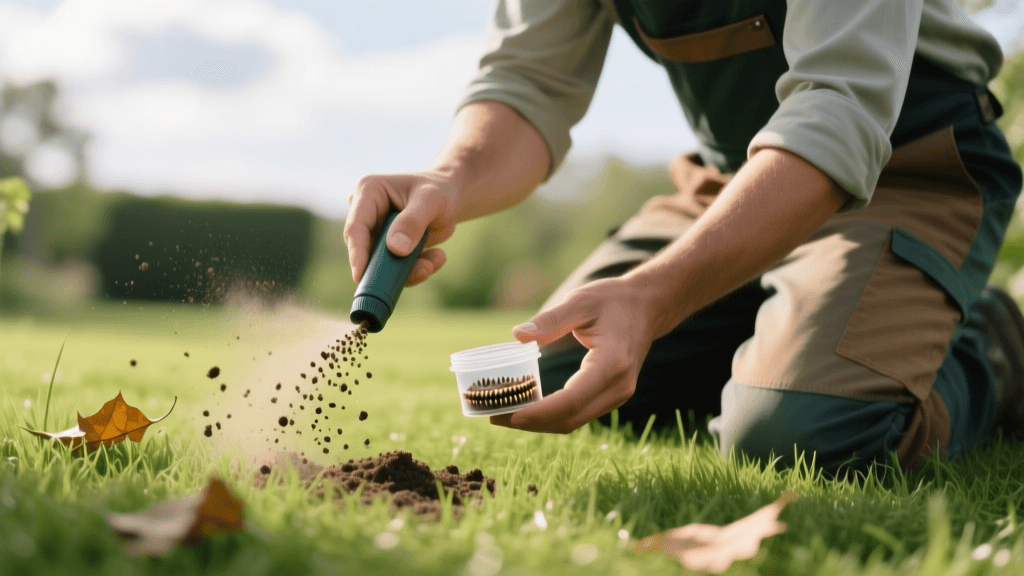
Eco-Friendly Grub Control: Using Beneficial Nematodes
The Hidden Threat: White Grubs in Your Lawn
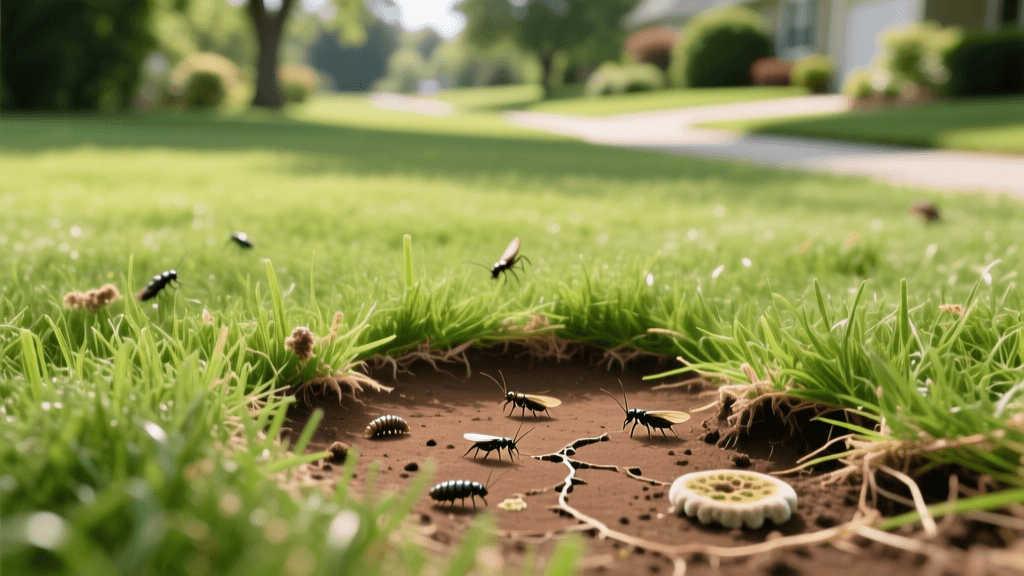
Lawns are more than just carpets of green; they are complex, living ecosystems. However, maintaining a pristine lawn often puts homeowners at odds with nature, particularly when it comes to subterranean pests like white grubs. The larvae of scarab beetles—including Japanese beetles, June bugs, and European chafers—white grubs feed voraciously on turfgrass roots. This destructive feeding severs the grass from its water and nutrient supply, resulting in spongy, irregular brown patches that can be rolled back like a carpet.
For decades, the default response to a grub infestation has been the heavy application of synthetic pesticides. But as environmental awareness grows, eco-friendly and sustainable methods are taking center stage in modern lawn care. Integrated Pest Management (IPM) encourages us to look beyond quick chemical fixes and embrace biological controls that restore balance to the soil food web.
Identifying a Grub Infestation
How do you know if you have a grub problem before your lawn turns completely brown? Look for secondary signs of infestation. Birds, skunks, raccoons, and crows often tear up lawns in late summer and fall to feast on the protein-rich grubs beneath the surface. Additionally, you can perform the tug test. If your grass pulls up easily with little to no root resistance, grubs have likely severed the root system.
To confirm, use a spade to cut a one-square-foot section of turf, about three inches deep, and peel it back. Count the grubs. According to turfgrass experts, a threshold of more than five to seven grubs per square foot warrants treatment. Catching the problem early is the first step in sustainable pest management.
The Ecological Cost of Chemical Grub Killers
Traditional grub control relies heavily on systemic insecticides like imidacloprid or contact killers like trichlorfon. While effective, these synthetic chemicals carry a heavy ecological price tag. Neonicotinoids, for instance, are highly toxic to essential pollinators, including bees and butterflies. When applied to lawns, these chemicals can persist in the soil, leach into groundwater, or be absorbed by nearby flowering weeds, inadvertently poisoning the very insects our gardens rely on.
Furthermore, broad-spectrum insecticides decimate beneficial soil biology, disrupting the natural food web and leaving your lawn more vulnerable to future pest outbreaks. According to the Environmental Protection Agency (EPA), shifting toward biopesticides and natural predators is a cornerstone of sustainable integrated pest management, offering effective control without the collateral environmental damage.
What Are Beneficial Nematodes?
Enter entomopathogenic nematodes (EPNs)—microscopic, unsegmented roundworms that act as nature's ultimate biological control agents. Unlike the root-knot nematodes that damage crops, beneficial nematodes are completely harmless to plants, humans, and pets. Instead, they actively hunt soil-dwelling insects.
When a beneficial nematode encounters a white grub, it enters the pest's body through natural openings. Once inside, the nematode releases symbiotic bacteria that rapidly multiply, killing the grub within 24 to 48 hours. The nematodes then feed on the developing bacteria and the decomposing host, reproducing rapidly before emerging to seek out new prey. It is a highly efficient, self-sustaining cycle of pest control that leaves zero chemical residue behind.
Chemical vs. Biological Grub Control
Understanding the differences between synthetic and biological controls can help you make an informed, eco-conscious decision for your lawn.
| Feature | Synthetic Chemicals (e.g., Imidacloprid) | Beneficial Nematodes (Hb) |
|---|---|---|
| Environmental Impact | High; harms pollinators and aquatic life | Zero; safe for bees, pets, and wildlife |
| Target Specificity | Broad-spectrum or systemic | Highly specific to soil-dwelling pests |
| Resistance Risk | High over time | Extremely low |
| Cost per 1,000 sq ft | $5 - $10 | $15 - $25 |
| Application Window | Preventative: Spring/Early Summer | Curative: Late Summer/Fall |
Choosing the Right Nematode Species
Not all nematodes are created equal. For white grub control, the most effective and widely available species is Heterorhabditis bacteriophora (often abbreviated as Hb). This species is an active cruiser, meaning it moves through the soil profile searching for deep-dwelling hosts like grubs.
Another option, Steinernema glaseri, is also highly effective against scarab larvae but is generally more expensive and harder to source. Avoid Steinernema carpocapsae for grub control; it is an ambusher that stays near the soil surface and is better suited for surface-dwelling pests like cutworms or fleas.
Step-by-Step Guide to Applying Nematodes
Applying living organisms requires a different mindset than spraying synthetic chemicals. Nematodes are living creatures that require specific environmental conditions to survive and thrive.
Timing is Everything
The University of Minnesota Extension recommends targeting grubs when they are young and actively feeding near the soil surface, typically in late summer to early fall (August through September). Soil temperatures must be consistently between 60°F and 85°F for the nematodes to remain active and infective.
Soil Preparation and Moisture
Nematodes travel through the microscopic water films between soil particles. If your lawn is dry, they cannot move and will quickly perish. Water your lawn deeply the day before application to ensure the top 4 to 6 inches of soil are moist and receptive.
Mixing and Application
Nematodes are typically sold in sponges, gels, or clay powders. Mix the product into a bucket of cool, distilled, or dechlorinated water. Crucial Tip: Chlorine in tap water will kill nematodes on contact. If you must use tap water, let it sit in an open bucket for 24 hours to allow the chlorine to off-gas. Apply the mixture using a hose-end sprayer designed for biologicals (which have wider nozzles to prevent crushing the nematodes) or a standard watering can.
Post-Application Watering
Immediately after applying the nematodes, water the lawn lightly to wash any nematodes off the grass blades and into the soil where they belong. Keep the lawn consistently moist for the next 10 to 14 days to allow the nematodes to establish, hunt, and reproduce.
Pro Tips for Maximizing Nematode Success
- Avoid UV Light: Ultraviolet light is lethal to nematodes. Always apply them at dusk, in the early evening, or on heavily overcast days.
- Ditch the Chemical Fertilizers: High-nitrogen synthetic fertilizers can create soil conditions that harm nematodes. Stick to organic compost or slow-release organic fertilizers during the treatment window.
- Aerate First: Core aeration before application reduces soil compaction, giving nematodes easier access to the root zone where grubs are feeding.
- Check Expiration: Nematodes have a limited shelf life. Check the expiration date before purchasing and use them as soon as possible after delivery.
Sourcing, Storage, and Costs
Because nematodes are living organisms, they cannot sit on a garden center shelf for months. Order them from reputable biological control suppliers who ship via expedited methods with cold packs. Upon arrival, immediately place them in the refrigerator (between 38°F and 42°F). Do not freeze them. When stored properly, they typically remain viable for 2 to 3 weeks.
In terms of cost, expect to pay between $30 and $50 to treat 2,000 to 3,000 square feet. While the upfront cost is higher than a $15 bag of synthetic granules, the long-term ecological benefits and the establishment of a natural pest-control cycle offer immense value to the sustainable gardener.
Conclusion
Transitioning to eco-friendly grub control is a vital step toward cultivating a resilient, sustainable lawn. By harnessing the power of beneficial nematodes, you protect your turf from destructive white grubs while safeguarding local pollinators, waterways, and soil health. As noted by Penn State Extension, integrating biological controls into your lawn care routine reduces reliance on harsh chemicals and fosters a balanced landscape. Embrace the microscopic allies beneath your feet, and watch your lawn thrive in harmony with nature.
True sustainability in lawn care isn't about eradicating every insect; it's about managing pests in a way that preserves the broader ecosystem. Biological controls like nematodes represent the future of turfgrass management.