Pest Control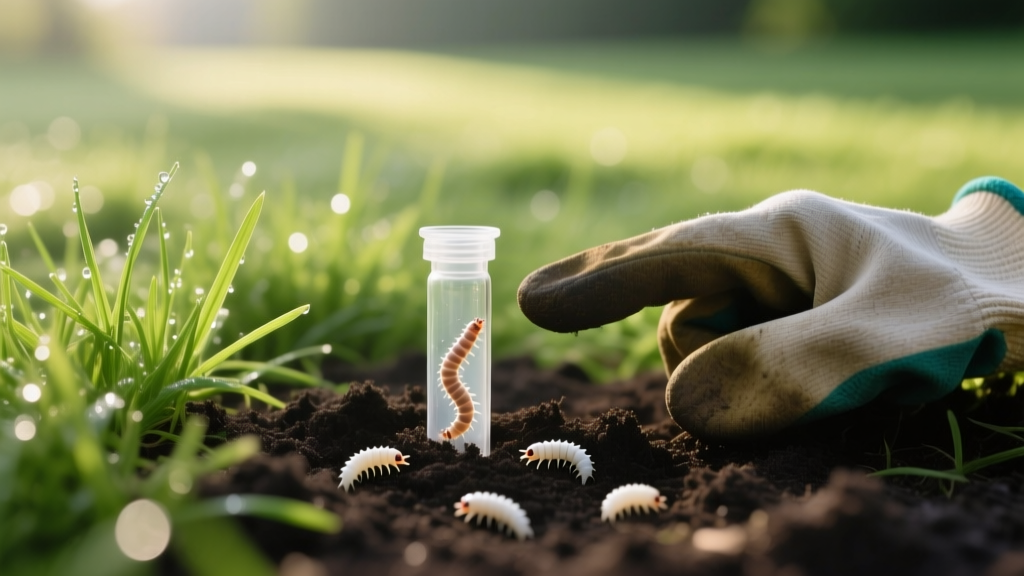
Viral Lawn Hack: Using Beneficial Nematodes for Grub Control
Anna KowalskiPublished
The Viral 'Worm Tea' Hack Taking Over GardenTok
If you have spent any time on lawn care TikTok or Instagram reels lately, you have likely seen gardeners enthusiastically spraying what looks like muddy water onto their turf, claiming it is the ultimate secret to a grub-free lawn. They call it 'worm tea' or 'nematode slurry,' and it is currently one of the most viral trends in organic landscaping. But is this internet hack actually backed by science, or is it just another fleeting gardening fad?
The truth is, this viral trend is rooted in decades of entomological research. The 'worms' in question are beneficial nematodes, and they are arguably the most effective, eco-friendly biological control agents available for destroying white grubs, Japanese beetle larvae, and fungus gnat eggs. According to Cornell University's Department of Entomology, these microscopic, non-segmented roundworms are naturally occurring soil parasites that hunt down specific insect pests without harming humans, pets, earthworms, or beneficial pollinators.
In this guide, we will break down the science behind the viral nematode hack, compare it to traditional chemical grub killers, and provide a precise, step-by-step application protocol so you can save your dying lawn using the internet's favorite biological warfare.
What Are Beneficial Nematodes?
Beneficial nematodes are microscopic organisms that live in the soil. While some nematode species are agricultural pests that damage plant roots, the strains used for pest control are strictly entomopathogenic—meaning they only infect and kill insects.
Why Heterorhabditis bacteriophora is the Ultimate Grub Slayer
When targeting lawn grubs (the larval stage of June bugs, Japanese beetles, and European chafers), the specific species you need is Heterorhabditis bacteriophora (often abbreviated as Hb). Unlike other nematode strains that wait for prey to pass by, Hb nematodes are active 'cruisers.' They actively hunt through the soil profile, seeking out the carbon dioxide and heat signatures emitted by grub larvae.
Once an Hb nematode enters a grub through natural body openings, it releases a symbiotic bacteria (Photorhabdus) that rapidly multiplies, causing septicemia. The grub dies within 48 hours, turning a distinct reddish-brown color. The nematodes then reproduce inside the dead grub, releasing up to 300,000 new infective juveniles into the surrounding soil to hunt for more prey. It is a highly efficient, self-sustaining cycle of biological pest control.
Nematodes vs. Chemical Grub Killers: A Comparison
Before the internet popularized biological controls, homeowners relied heavily on synthetic chemicals like Imidacloprid or Halofenozide, and older biologicals like Milky Spore. Here is how the viral nematode hack stacks up against traditional methods.
| Feature | Beneficial Nematodes (Hb) | Chemical Preventatives (Imidacloprid) | Milky Spore Disease |
|---|---|---|---|
| Target Pests | Grubs, flea larvae, weevils | Grubs, some surface insects | Japanese Beetle Grubs ONLY |
| Speed of Kill | 24 to 48 hours | 1 to 3 weeks (must be ingested) | 1 to 3 weeks |
| Soil Health Impact | Improves soil biology | Harms earthworms and soil microbes | Neutral |
| Pet & Child Safety | 100% Safe immediately | Requires 24-hour re-entry wait | 100% Safe |
| Cost (per 5,000 sq ft) | $35 - $45 | $20 - $30 | $40 - $60 |
| Longevity in Soil | 1 to 2 years (needs hosts) | 1 season | 10 to 15 years |
| Application Window | Late Summer / Early Fall | Early Summer (preventative) | Spring / Fall |
Step-by-Step Guide to Applying Nematodes
The biggest reason the 'nematode hack' fails for viral followers is improper application. These are living organisms, not synthetic granules. If you treat them like chemical fertilizer, they will die on contact. Follow this precise protocol for maximum grub eradication.
1. Timing is Everything
According to Penn State Extension, the optimal time to apply nematodes for grub control is from mid-August through early October. This is when grubs are small, actively feeding near the soil surface, and most vulnerable. Soil temperatures must be between 55°F and 90°F. If the soil is too cold, the nematodes become dormant; if it is too hot, they will perish.
2. Prep the Lawn (The Pre-Water)
Nematodes require a moist environment to travel through the soil pores. Before application, water your lawn deeply with at least 1/4 to 1/2 inch of water. The soil should be damp but not waterlogged. Mow your grass slightly shorter than usual to allow the nematode slurry to reach the soil surface rather than getting trapped in the thatch layer.
3. Mix and Apply (Avoid Chlorine!)
This is the most critical step of the viral hack. Tap water contains chlorine and chloramines, which are highly toxic to nematodes and will kill them before they even hit the grass.
- Dechlorinate your water: Let tap water sit in an open bucket for 24 hours, or use a hose-end filter designed to remove chlorine. Alternatively, use distilled or clean rainwater.
- Mix gently: Empty the nematode powder or sponge into your sprayer tank with the dechlorinated water. Stir gently with a wooden stick. Do not use high-pressure pumps or mechanical agitators, as the physical shear force will chop the microscopic worms in half.
- Apply immediately: Once mixed, you have roughly 30 to 45 minutes to apply the solution before the nematodes suffocate in the tank. Use a hose-end sprayer with the filter screen removed, or a watering can for smaller areas.
4. Water and Protect from UV Light
Nematodes are extremely sensitive to ultraviolet (UV) light. Sunlight will kill them in minutes. Always apply your nematode slurry in the early evening, at dusk, or on a heavily overcast day. Immediately after application, water the lawn again with another 1/4 inch of dechlorinated water to wash the nematodes off the grass blades and down into the top two inches of the soil where the grubs live.
Top Product Recommendations & Costs
When shopping for nematodes, always buy from reputable suppliers that guarantee cold-chain shipping. If the package sits on a hot delivery truck for three days, the nematodes will arrive dead.
- Arbico Organics NemAttack (Hb Strain): Approximately $40 for 10 million nematodes (covers up to 2,000 sq. ft. for heavy grub infestations).
- BioLogic Ecomask: Excellent commercial-grade formulation, often sold in coolers with ice packs. Costs around $65 for 50 million nematodes (covers 10,000 sq. ft.).
Pro Tip: For severe grub damage, apply at a rate of 50,000 to 100,000 nematodes per square foot. For preventative maintenance, 25,000 per square foot is sufficient.
3 Fatal Mistakes That Kill Your Nematodes
Even the best biological controls will fail if you ignore their basic survival needs. Avoid these common pitfalls:
- Using Chemical Fertilizers or Pesticides: Do not apply synthetic pesticides, fungicides, or high-nitrogen liquid fertilizers within two weeks before or after applying nematodes. The chemical salts and active ingredients will decimate the nematode population.
- Letting the Soil Dry Out: Nematodes swim through the microscopic water films between soil particles. If your lawn dries out completely in the days following application, the nematodes will desiccate and die. Keep the top inch of soil consistently moist for 10 to 14 days post-application.
- Buying from Big Box Garden Centers: Avoid buying nematodes off the shelf at large hardware stores. They are often stored in hot, unregulated warehouses and are likely expired. Always order online directly from biological pest control distributors.
Expert Insight: Always order nematodes online from specialized biological control suppliers who use insulated packaging and ice packs. Big box store shelves are a graveyard for expired microscopic worms.
The Verdict on the Viral Hack
The internet got this one right. The viral 'worm tea' nematode hack is not just a trendy gimmick; it is a highly effective, scientifically validated method of integrated pest management. By utilizing Heterorhabditis bacteriophora, you can eradicate destructive lawn grubs without poisoning your soil, harming local pollinator populations, or putting your pets at risk. While it requires a bit more precision and care than dumping synthetic granules on your lawn, the long-term benefits to your soil food web and turf health make it well worth the effort.