Pest Control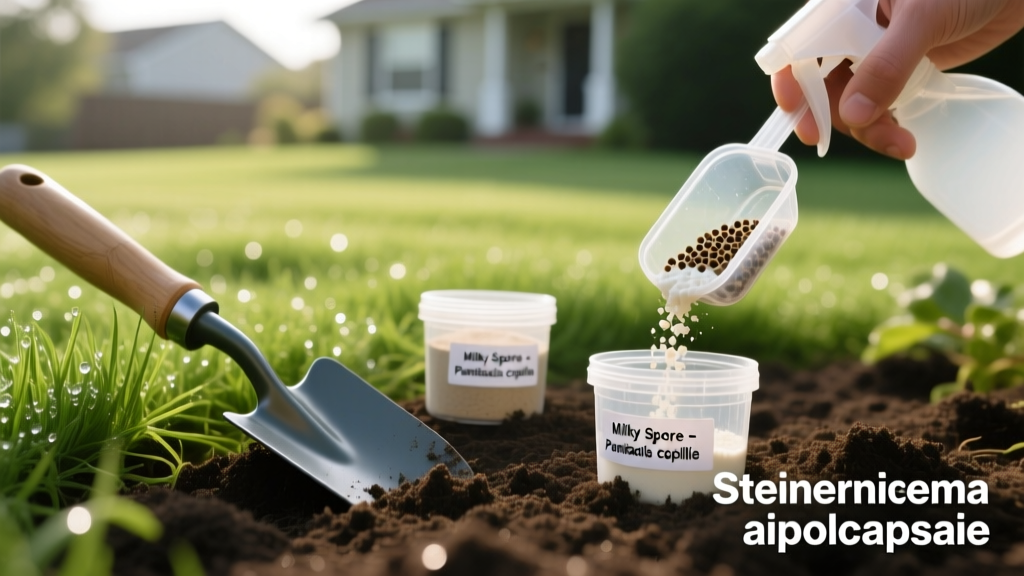
Viral Lawn Hacks: Do Beneficial Nematodes Really Kill Grubs?
Lisa ThompsonPublished
The Viral 'Worm Water' Phenomenon Explained
If you have spent any time on lawn care TikTok, Instagram Reels, or YouTube over the past year, you have likely encountered the viral 'worm water' trend. Influencers and lawn care enthusiasts are ditching harsh synthetic chemicals in favor of spraying millions of microscopic worms onto their turf. The promise? A lush, grub-free lawn achieved entirely through organic means, safe for pets, children, and local pollinators. But as with any viral internet hack, skepticism is warranted. Do beneficial nematodes and milky spore actually work, or are they just another gardening placebo?
The short answer is yes, they absolutely work—but only if you understand the science of Integrated Pest Management (IPM) and apply them with military precision. Unlike synthetic chemicals that act as a blanket poison, biological controls are living organisms. They require specific environmental conditions, exact timing, and proper handling to successfully eradicate white grubs (the larval stage of Japanese beetles, European chafers, and June bugs). In this comprehensive guide, we break down the viral grub control hacks, compare them to traditional chemicals, and provide a step-by-step blueprint to save your turf.
What Exactly Are You Spraying? The Science of Biologicals
When lawn care influencers talk about 'worm water,' they are referring to entomopathogenic nematodes. Specifically, the most effective strain for grub control is Heterorhabditis bacteriophora (often abbreviated as Hb). These are not the parasitic roundworms that infect dogs or humans; they are microscopic, soil-dwelling predators that actively hunt down soil-dwelling insects.
How Nematodes Kill Grubs
The mechanism is straight out of a science fiction movie. When Hb nematodes are applied to the soil, they sense the carbon dioxide and heat emitted by a grub. They penetrate the grub's body through natural openings and release a symbiotic bacteria called Photorhabdus luminescens. This bacteria rapidly multiplies, causing septicemia and killing the grub within 48 hours. The nematodes then feed on the developing bacteria, reproduce inside the dead grub, and burst out to hunt for their next meal.
The Role of Milky Spore
Often mentioned in the same breath as nematodes is Milky Spore (Paenibacillus popilliae). Unlike nematodes, which are broad-spectrum predators of many soil pests, milky spore is a highly specialized bacterium that targets only Japanese beetle grubs. When the grub ingests the spores while feeding on grassroots, the spores multiply in its blood, turning it a milky white and eventually killing it. The dead grub decomposes, releasing billions of new spores into the soil, creating a long-term biological barrier.
Viral Hacks vs. Scientific Reality: Why Timing is Everything
The biggest reason homeowners fail with viral biological hacks is improper timing. According to Penn State Extension, white grubs have a very specific life cycle. They hatch in mid-to-late summer, feed aggressively on grassroots in the early fall, and then burrow deep below the frost line for winter dormancy.
If you apply nematodes in the spring when the grubs are deep underground or preparing to pupate into adult beetles, the nematodes will starve and die. The viral hack only works if you apply the biologicals when the grubs are young, actively feeding near the soil surface, and vulnerable. Furthermore, soil temperature is a non-negotiable factor. Nematodes are completely inactive in cold soil. You must apply them when soil temperatures are consistently between 60°F and 85°F.
Step-by-Step Application Guide for Maximum Kill Rates
To replicate the success of professional organic lawn care companies, follow this exact protocol for applying beneficial nematodes (such as NemaSeek Hb or Scanmask).
Step 1: Prep the Turf (Day Before)
Nematodes need moisture to travel through the soil profile. Mow your lawn slightly shorter than usual to reduce thatch interference. Then, water the lawn deeply, applying at least 0.5 to 1 inch of water. The soil must be moist but not waterlogged.
Step 2: Mix the Solution (Day of Application)
Nematodes are sold in sponges, powders, or gels that must be kept refrigerated until use. Never leave them in a hot mailbox or car. Fill a bucket with cool, distilled water or tap water that has been left out for 24 hours to allow chlorine to off-gas (chlorine will kill nematodes on contact). Mix the nematodes gently by hand. Do not use a mechanical stirrer, as the physical shear force will rip the microscopic worms apart.
Step 3: Apply at Dusk
UV radiation from direct sunlight is lethal to nematodes within minutes. You must apply your solution late in the evening or at dusk. Use a hose-end sprayer, but remove the internal mesh filter, which will clog and crush the nematodes. Apply at a rate of roughly 1 billion nematodes per 3,000 square feet. Keep the sprayer moving to ensure even distribution.
Step 4: Water It In (Immediately After)
Once applied, you must water the lawn again with about 0.25 inches of water. This washes the nematodes off the grass blades and down into the top 2-3 inches of soil where the grubs are feeding.
Step 5: Maintain Moisture
For the next 10 to 14 days, water the lawn lightly every morning to keep the topsoil damp. Nematodes swim through water films in the soil; if the soil dries out, they desiccate and die before they can find a host.
Grub Control Showdown: Biologicals vs. Synthetics
How do these viral organic methods compare to traditional chemical grubicides? Below is a comprehensive comparison chart detailing costs, efficacy, and environmental impact.
| Treatment Type | Active Ingredient / Organism | Est. Cost (per 10k sq ft) | Speed of Control | Longevity in Soil | Pet & Pollinator Safety |
|---|---|---|---|---|---|
| Beneficial Nematodes (Hb) | Heterorhabditis bacteriophora | $45 - $65 | 3 to 7 Days | 1 Season (Requires annual reapplication) | 100% Safe |
| Milky Spore | Paenibacillus popilliae | $50 - $70 | 1 to 3 Years to establish | 10 to 15 Years once established | 100% Safe |
| Preventative Synthetic | Chlorantraniliprole (Acelepryn) | $15 - $25 | Slow (Weeks to months) | 4 to 6 Months | High safety profile, low toxicity to bees |
| Curative Synthetic | Trichlorfon (Dylox) | $15 - $20 | 24 to 48 Hours | 5 to 7 Days | Moderate risk, toxic to aquatic life |
As the data shows, while synthetic curatives like Dylox act faster, they offer zero long-term protection and carry environmental risks. Nematodes offer a rapid, organic knockdown, while milky spore is a long-term investment.
Five Fatal Mistakes That Kill Your Nematodes
If you tried the viral hack and it failed, you likely made one of these common errors:
- Using Chlorinated Water: Municipal tap water contains chlorine or chloramine, which are designed to kill microorganisms. Always dechlorinate your water or use distilled/rainwater.
- Applying in the Heat of the Day: UV rays and high surface temperatures will cook the nematodes before they reach the soil. Dusk application is mandatory.
- Ignoring the Expiration Date: Nematodes are living creatures with a shelf life. Buying discounted, out-of-date nematodes from a big box store garden center is a waste of money. Buy fresh from specialized biological suppliers.
- Applying to Dry Soil: Nematodes cannot move through dry dirt. Pre-watering and post-watering are the most critical steps in the entire process.
- Using Fertilizers or Pesticides Simultaneously: High-nitrogen synthetic fertilizers and broad-spectrum insecticides can create a hostile soil environment. Wait at least two weeks between chemical applications and nematode treatments.
Building a Long-Term IPM Strategy
True lawn care mastery lies in Integrated Pest Management (IPM), which combines biological, cultural, and chemical controls to minimize environmental impact. The Environmental Protection Agency (EPA) strongly advocates for the use of biological pesticides as a first line of defense, noting their high target specificity and lack of harmful residual chemicals.
For a complete organic IPM strategy against Japanese beetles, combine nematodes with milky spore. The University of Maryland Extension recommends applying milky spore in a grid pattern (one teaspoon every four feet) across the lawn. Because milky spore takes years to build up to an effective concentration in the soil, you can use beneficial nematodes as your annual 'cleanup crew' every late August to knock down the immediate grub population while the milky spore establishes its long-term biological dominance.
Cultural Controls to Discourage Grubs
Grubs thrive in lawns with shallow root systems and excessive thatch. To make your lawn naturally resistant to grub damage:
- Water Deeply and Infrequently: This encourages grassroots to grow 4 to 6 inches deep, making it harder for surface-feeding grubs to cause fatal damage.
- Aerate Annually: Core aeration reduces soil compaction and breaks down the thatch layer where adult beetles prefer to lay their eggs.
- Leave Grass Clippings: Returning clippings to the lawn feeds the soil microbiome, which competes with and suppresses pathogenic pests.
The Final Verdict on Viral Lawn Hacks
The viral 'worm water' hack is not just internet hype; it is a scientifically backed, highly effective biological control method when executed correctly. Beneficial nematodes offer a rapid, eco-friendly solution to active grub infestations, while milky spore provides a multi-decade organic shield against Japanese beetles. By understanding the life cycle of your local pests, respecting the environmental needs of these microscopic predators, and integrating them into a broader IPM strategy, you can achieve a pristine, pet-safe lawn without relying on synthetic chemistry. Skip the gimmicks, respect the science, and let nature do the heavy lifting.