Pest Control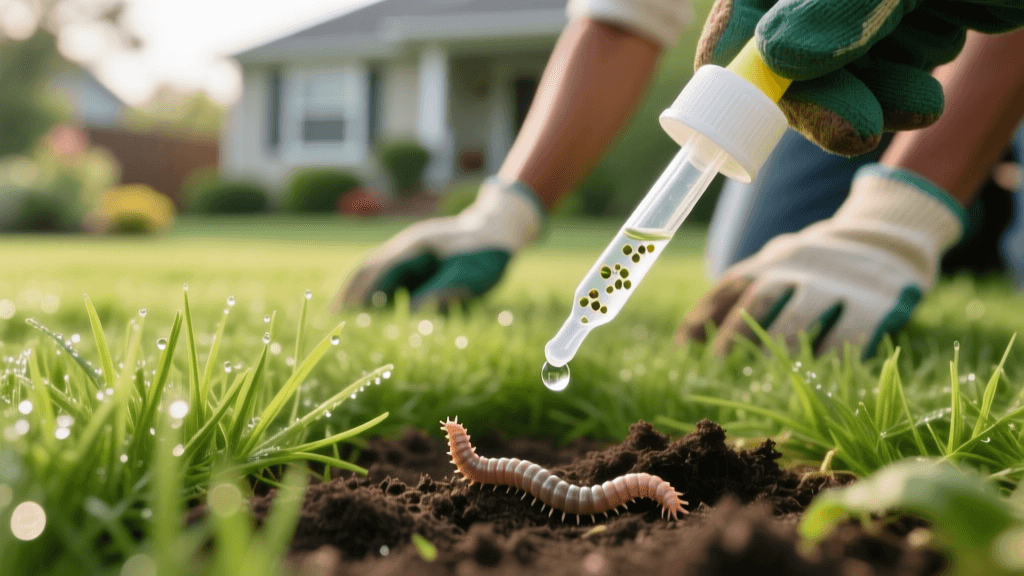
Eco-Friendly Lawn Grub Control Using Beneficial Nematodes
The Hidden Threat Beneath Your Turf
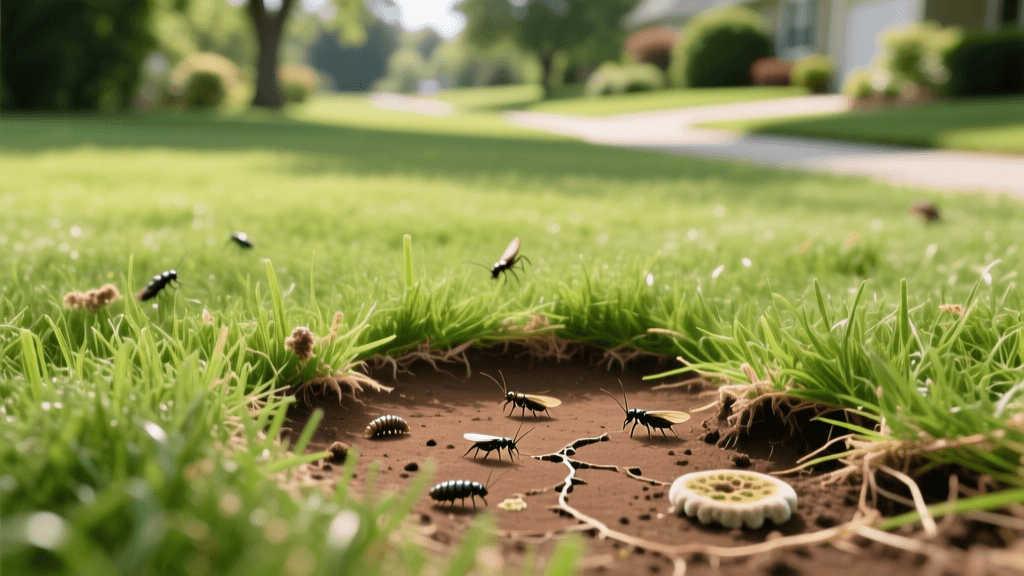
A lush, vibrant lawn is the pride of any homeowner, but beneath the surface of that pristine green carpet, a destructive force may be quietly at work. White grubs—the larval stage of various scarab beetles such as Japanese beetles, June bugs, and European chafers—are notorious for severing grass roots, leading to irregular brown patches and turf that rolls back like a loose carpet. Traditionally, the knee-jerk reaction to a grub infestation has been the heavy application of synthetic chemical pesticides. However, as environmental awareness grows and the principles of Integrated Pest Management (IPM) take root, eco-friendly and sustainable methods are proving to be not just viable, but superior for long-term soil health. Enter the microscopic heroes of sustainable lawn care: beneficial nematodes.
Understanding the Enemy: The Grub Life Cycle
To effectively combat grubs without resorting to harsh chemicals, you must first understand their life cycle. According to the University of Kentucky Department of Entomology, adult beetles typically lay their eggs in the soil during mid-to-late summer. These eggs hatch into young grubs by August, which immediately begin feeding aggressively on grassroots near the soil surface. As winter approaches, they burrow deep below the frost line to overwinter, returning to the surface in spring to feed again before pupating into adults. This cycle means that the most vulnerable stage for grubs—and the most opportune time for eco-friendly intervention—is late summer to early fall, when they are young, actively feeding, and located in the upper few inches of the soil profile.
What Are Beneficial Nematodes?
Entomopathogenic nematodes are microscopic, unsegmented roundworms that naturally occur in soils worldwide. While the word 'nematode' might conjure images of harmful root-knot pests that plague vegetable gardens, beneficial nematodes are entirely different. They are highly specialized predators that seek out and destroy soil-dwelling insects, including grubs, flea larvae, and fungus gnats, without harming plants, earthworms, pets, or humans.
The mechanism of action is fascinating and highly effective. Infective juvenile nematodes actively hunt their prey through the soil moisture film. Once they locate a grub, they enter its body through natural openings such as the mouth, anus, or spiracles. Inside the host, the nematodes release symbiotic bacteria (either Xenorhabdus or Photorhabdus species). This bacteria rapidly multiplies, killing the grub within 24 to 48 hours. The nematodes then feed on the developing bacterial soup, reproduce inside the dead host, and release thousands of new infective juveniles into the soil to seek out the next victim.
Chemical Pesticides vs. Beneficial Nematodes
When managing a grub infestation, homeowners generally face a choice between synthetic chemicals and biological controls. Below is a comparison of how these two methods stack up against each other in a residential lawn setting.
| Feature | Synthetic Chemicals (e.g., Imidacloprid) | Beneficial Nematodes (e.g., Heterorhabditis bacteriophora) |
|---|---|---|
| Environmental Impact | High; can leach into groundwater and harm non-target organisms | Zero; naturally occurring, biodegrades into the soil ecosystem |
| Pollinator Safety | Risk to bees if applied during blooming periods of weeds/clover | Completely safe for bees, butterflies, and above-ground pollinators |
| Pet and Child Safety | Requires strict re-entry intervals and drying times | Safe for immediate re-entry; no toxic residues |
| Soil Microbiome | Can disrupt beneficial soil fungi and microbial life | Preserves and integrates with existing soil ecology |
| Pest Resistance | Grubs can develop genetic resistance over time | Biological action makes pest resistance virtually impossible |
| Application Window | Often requires preventative application months in advance | Curative; can be applied when grubs are actively present |
Choosing the Right Nematode Species
Not all nematodes are created equal. Different species have different hunting behaviors and environmental preferences. Research published by the University of Florida IFAS Extension highlights that selecting the correct species is paramount for success. For lawn grubs, which tend to dwell slightly deeper in the soil profile than surface pests, Heterorhabditis bacteriophora (often abbreviated as Hb) is the gold standard. Unlike Steinernema carpocapsae, which is an 'ambush' predator that waits near the surface for prey to pass by, H. bacteriophora is a 'cruiser' that actively migrates through the soil to hunt down deep-dwelling white grubs.
Step-by-Step Application Guide
Applying beneficial nematodes is a straightforward process, but because they are living organisms, they require specific conditions to survive and thrive. Follow this actionable guide to ensure maximum efficacy.
1. Timing and Soil Temperature
Apply nematodes in late August through September, coinciding with the peak hatching and feeding period of young grubs. Soil temperature is critical; the soil must be consistently between 60°F and 85°F. If the soil is too cold, the nematodes will become dormant; if it is too hot, they will die off rapidly.
2. Lawn Preparation
Before application, mow your lawn slightly shorter than usual to allow the nematode spray to reach the soil surface easily. If your lawn has a thick thatch layer (greater than 0.5 inches), dethatch or core aerate the area. Thatch acts as a physical barrier, trapping the microscopic worms before they can reach the soil where the grubs reside. Water the lawn deeply 24 hours before application to ensure the soil is moist and welcoming.
3. Mixing and Hydration
Nematodes are typically shipped in sponges, gels, or granular clay formulations. You must hydrate them in water before application. Crucially, do not use freshly drawn tap water. The chlorine and chloramines used to treat municipal water will kill the nematodes on contact. Use rainwater, distilled water, or let your tap water sit in an open bucket in the sun for at least 24 hours to allow the chlorine to off-gas. Mix the nematodes gently in a bucket of water, avoiding vigorous stirring that can physically damage them.
4. Application Technique
Apply the nematode solution using a hose-end sprayer designed for biologicals, a watering can, or a pump sprayer with the filter screen removed to prevent clogging and shearing of the nematodes. Never apply nematodes in direct sunlight. UV radiation is lethal to them. Apply the treatment in the early evening, at dusk, or on a heavily overcast day. As outlined in the Rutgers University Cooperative Extension fact sheet, immediate protection from UV light drastically increases the survival rate of the infective juveniles.
5. Post-Application Watering
Immediately after applying the nematodes, water the lawn with an additional 1/4 to 1/2 inch of water. This second watering washes the nematodes off the grass blades and carries them down into the soil matrix and thatch layer where the grubs are feeding. For the next 7 to 10 days, keep the soil consistently moist (but not waterlogged) by watering lightly every morning. Nematodes require a film of moisture to move through the soil pores; if the soil dries out completely, they will perish before finding a host.
Cost Analysis and Return on Investment
Transitioning to eco-friendly pest control often raises questions about cost. Beneficial nematodes are generally more expensive upfront than generic synthetic chemicals. A typical package containing 10 million H. bacteriophora nematodes costs between $35 and $50 and treats approximately 2,000 to 3,000 square feet of lawn. For a standard 5,000-square-foot lawn, you are looking at an initial investment of roughly $75 to $125 per treatment.
However, the Return on Investment (ROI) extends far beyond a single season. Synthetic chemicals degrade soil structure over time, killing off beneficial mycorrhizal fungi and earthworms, which leads to increased fertilizer needs, poor water retention, and higher long-term maintenance costs. By using nematodes, you are investing in the biological health of your soil. Furthermore, because nematodes reproduce inside the grubs and release new generations into the soil, a single successful application can establish a self-sustaining population that provides residual grub control for subsequent years, ultimately lowering your annual pest management budget.
Common Mistakes to Avoid
Even with the best intentions, eco-friendly treatments can fail if biological requirements are ignored. Avoid these common pitfalls:
- Applying expired products: Nematodes are living creatures with a finite shelf life. Always check the expiration date, ensure they were shipped with cold packs, and store them in a refrigerator (not a freezer) until the exact moment of use.
- Ignoring soil moisture: Applying nematodes to dry, baked soil is a death sentence for the organisms. Always pre-water and post-water.
- Using chemical fertilizers simultaneously: High-nitrogen synthetic fertilizers can create osmotic imbalances and alter soil pH in ways that are detrimental to nematode survival. Stick to organic, slow-release fertilizers like compost or milorganite during the treatment window.
- Treating too late in the season: If you wait until October or November, the grubs will have grown too large and burrowed too deep for the nematodes to effectively parasitize them. Timing in late summer is non-negotiable.
Beneficial nematodes are a cornerstone of sustainable turf management, offering a biological alternative that preserves soil ecology while effectively managing white grub populations without the ecological collateral damage of broad-spectrum insecticides.
— Principles of Integrated Pest Management (IPM)
Integrating Nematodes into a Broader IPM Strategy
Beneficial nematodes are a powerful tool, but they are most effective when used as part of a holistic Integrated Pest Management (IPM) strategy. Eco-friendly lawn care is about creating an environment where turfgrass is naturally resilient to pest pressures. This means selecting drought-tolerant, region-appropriate grass seed blends, mowing at the proper height (3 to 4 inches) to encourage deep root growth, and leaving grass clippings on the lawn to recycle nutrients. By combining these cultural practices with targeted biological controls like Heterorhabditis bacteriophora, you can maintain a stunning, grub-free lawn that is safe for your family, your pets, and the local ecosystem.