Pest Control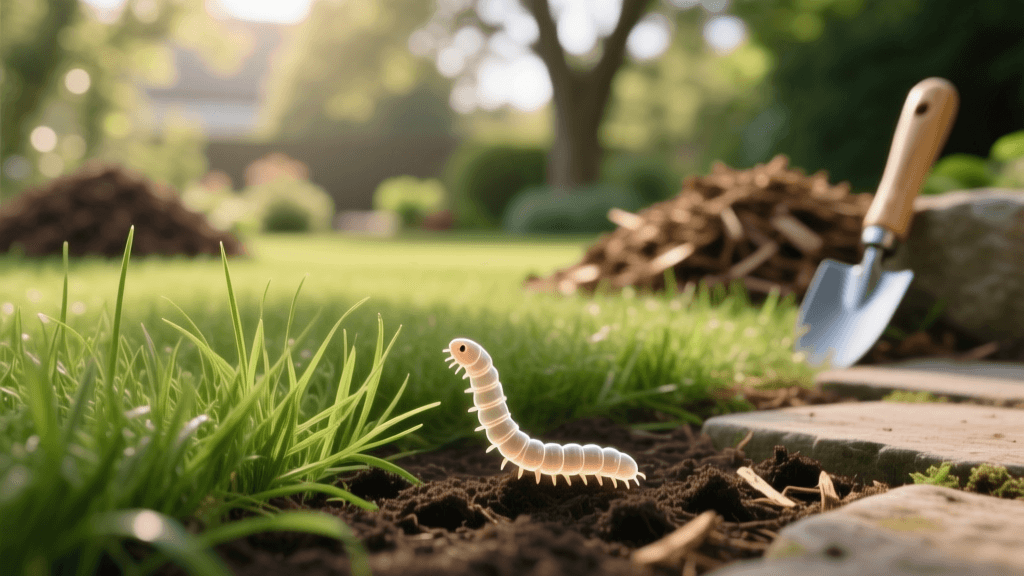
Beneficial Nematodes for Grub Control: Eco-Friendly Guide
The Hidden Heroes Beneath Your Soil
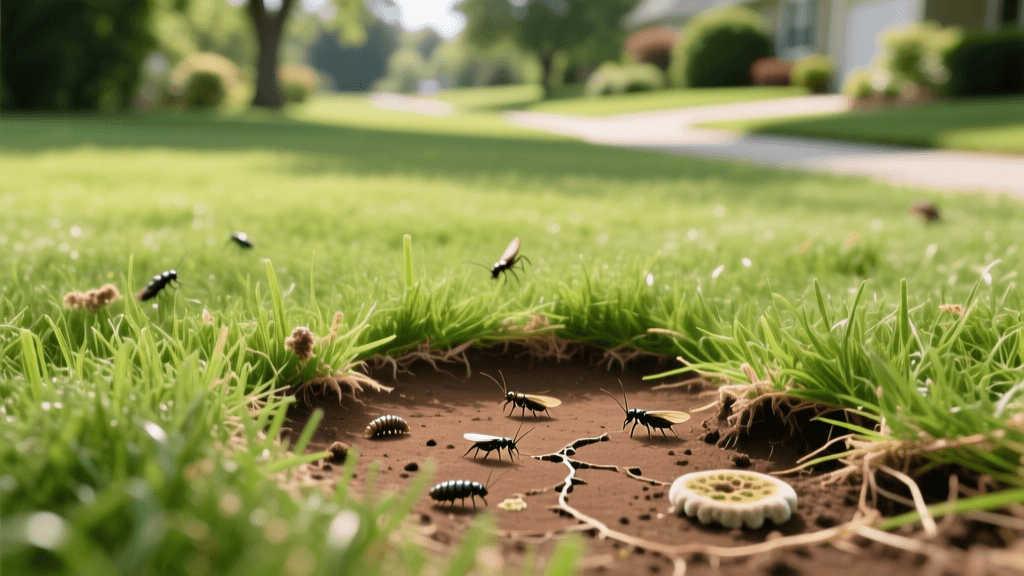
When white grubs invade your lawn, the damage can be devastating. These C-shaped larvae of Japanese beetles, June bugs, and European chafers feed voraciously on grassroots, leaving behind brown, dead patches that roll back like loose carpet. For decades, the default response to a grub infestation was to blanket the lawn with synthetic chemical pesticides like imidacloprid or trichlorfon. However, as homeowners and environmental scientists become increasingly aware of the ecological toll of chemical pesticides—including harm to pollinators, soil microbiomes, and local waterways—the shift toward Integrated Pest Management (IPM) has accelerated.
At the forefront of this eco-friendly revolution is a microscopic warrior: the beneficial nematode. According to the Environmental Protection Agency (EPA), biopesticides like nematodes offer a highly effective, naturally occurring alternative to synthetic chemicals, breaking down safely in the environment without leaving toxic residues. This comprehensive guide will walk you through everything you need to know about using beneficial nematodes for sustainable, organic grub control.
Understanding Entomopathogenic Nematodes
Entomopathogenic nematodes are microscopic, unsegmented roundworms that occur naturally in soils across the globe. Unlike plant-parasitic nematodes that harm your garden, these specific strains are insect-killing machines. They operate by actively seeking out insect hosts in the soil. Once a nematode finds a grub, it enters the host through natural openings (mouth, anus, or spiracles) and releases a symbiotic bacteria. This bacteria rapidly multiplies, killing the grub within 24 to 48 hours. The nematodes then feed on the developing bacteria and host tissues, reproduce inside the carcass, and release thousands of new infective juveniles into the soil to hunt for the next meal.
Choosing the Right Strain: Hb vs. Sc
Not all nematodes are created equal. When targeting lawn grubs, two primary strains dominate the market: Heterorhabditis bacteriophora (Hb) and Steinernema carpocapsae (Sc). Research from Michigan State University Extension highlights that H. bacteriophora is generally the superior choice for grub control because it is an active "cruiser" that moves deep into the soil profile to hunt, whereas S. carpocapsae is an "ambusher" that tends to stay near the soil surface, making it better suited for surface-dwelling pests like cutworms and armyworms.
| Feature | Heterorhabditis bacteriophora (Hb) | Steinernema carpocapsae (Sc) |
|---|---|---|
| Hunting Style | Cruiser (Actively searches soil) | Ambusher (Waits near surface) |
| Target Pests | White grubs, flea larvae, weevils | Cutworms, armyworms, fleas |
| Soil Depth | Penetrates deeper soil layers | Remains in top 1-2 inches |
| Optimal Soil Temp | 60°F to 90°F (15°C - 32°C) | 55°F to 85°F (13°C - 29°C) |
Nematodes vs. Milky Spore: Which is Better?
Another popular organic grub control method is Milky Spore (Paenibacillus popilliae). While Milky Spore is highly effective against Japanese beetle grubs specifically, it has significant limitations. It can take two to four years for Milky Spore to build up to effective levels in the soil, and it does nothing to control other grub species like European chafers or June bugs. Beneficial nematodes, on the other hand, provide immediate, broad-spectrum control. They kill multiple species of grubs within days of application, making them the preferred choice for homeowners who need rapid, eco-friendly results.
Step-by-Step Eco-Friendly Application Guide
Applying nematodes is straightforward, but because they are living organisms, they require specific handling to ensure maximum survival and efficacy. Experts at Penn State Extension recommend following a strict protocol to protect the nematodes from environmental stressors.
1. Timing is Everything
Nematodes must be applied when grubs are actively feeding and soil temperatures are between 60°F and 90°F. The ideal windows are mid-to-late spring (when overwintering grubs are feeding near the surface before pupating) and late summer to early fall (when newly hatched grubs are small and highly susceptible). Avoid applying during the heat of midday; early morning or dusk is best to protect the nematodes from UV radiation.
2. Lawn Preparation
Mow your lawn to a height of about 2 inches to allow the nematode suspension to reach the soil surface easily. If your soil is heavily compacted, consider core aeration a few days before application. This not only improves soil health but also provides direct pathways for the nematodes to enter the root zone where the grubs are hiding.
3. Mixing and Spraying
The standard application rate is approximately 1 million infective juveniles per 1,000 square feet for preventative maintenance, and up to 2 million per 1,000 square feet for severe, active infestations. Mix the nematodes in cool, distilled, or dechlorinated water. Never use chlorinated tap water, as chlorine will kill the nematodes on contact. If you must use tap water, let it sit in an open bucket for 24 hours to allow the chlorine to off-gas. Use a hose-end sprayer designed for wettable powders or liquid nematode suspensions, and remove any fine mesh screens from the sprayer nozzle to prevent clogging and physical damage to the worms.
4. Watering In (The Most Critical Step)
Nematodes cannot survive on dry grass blades; they must be washed into the soil immediately. Before application, water your lawn lightly to moisten the soil. Immediately after spraying the nematodes, apply about 1/4 inch of water to wash them off the grass and down into the thatch and soil layer. Keep the soil consistently moist (but not waterlogged) for the next 7 to 10 days to allow the nematodes to move freely and locate their hosts.
Cost Comparison: Nematodes vs. Chemical Grub Killers
While synthetic chemicals might seem cheaper upfront, the long-term ecological costs and potential need for repeat applications make nematodes a highly competitive option for sustainable lawn care.
| Treatment Type | Avg. Cost per 1,000 sq ft | Speed of Results | Ecological Impact | Pet & Child Safety |
|---|---|---|---|---|
| Beneficial Nematodes (Hb) | $15.00 - $25.00 | 3 to 7 days | Positive (Aerates soil, no runoff) | 100% Safe (No re-entry wait) |
| Milky Spore Powder | $30.00 - $45.00 | 1 to 4 years | Neutral (Specific to Japanese beetles) | 100% Safe |
| Imidacloprid (Synthetic) | $8.00 - $15.00 | 14 to 21 days | Negative (Toxic to bees, aquatic life) | Requires drying/re-entry wait |
Common Mistakes That Kill Nematodes
Because nematodes are living creatures, improper handling is the number one reason for application failure. Avoid these common pitfalls:
- UV Exposure: Ultraviolet light is lethal to nematodes. Never spray them in direct, midday sunlight. Always apply in the early morning, late evening, or on a heavily overcast day.
- Expired Shelf Life: Nematodes have a limited shelf life and must be kept refrigerated (between 36°F and 46°F) upon arrival. Never buy nematodes from a garden center display shelf that has been sitting at room temperature; order them directly from reputable biological control suppliers who ship them in insulated coolers with ice packs.
- Dry Soil: Nematodes swim through water films in the soil. If the soil dries out completely after application, the nematodes will desiccate and die before they can find a host.
- Using Fertilizers or Pesticides: Avoid applying synthetic nitrogen fertilizers, fungicides, or broad-spectrum insecticides within two weeks of nematode application, as these can create a hostile soil environment or directly harm the nematodes.
Integrating Nematodes into a Broader IPM Strategy
Beneficial nematodes are a powerful tool, but they are most effective when used as part of a holistic Integrated Pest Management (IPM) strategy. To build a naturally grub-resistant lawn, focus on cultivating deep, healthy grassroots. Water deeply and infrequently to encourage roots to grow downward, making them more resilient to minor surface feeding. Leave grass clippings on the lawn to return organic matter to the soil, and top-dress with high-quality compost annually to feed the natural soil food web. By combining these cultural practices with targeted, eco-friendly biological controls like Heterorhabditis bacteriophora, you can maintain a lush, vibrant lawn that is naturally resilient to pests, safe for your family, and harmonious with the local ecosystem.