Pest Control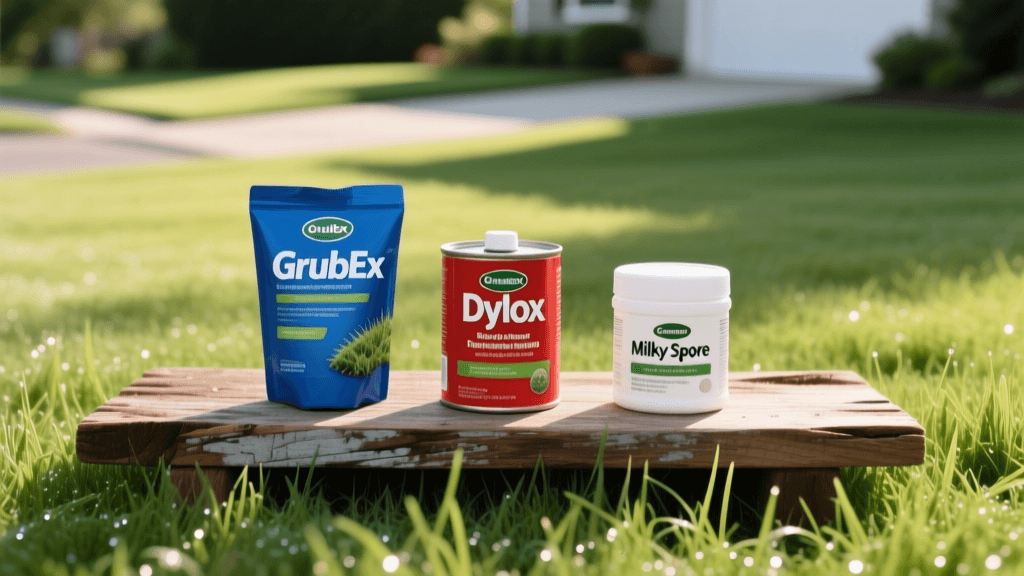
Best Grub Killers Reviewed: GrubEx vs Dylox vs Milky Spore
The Hidden Threat Beneath Your Turf
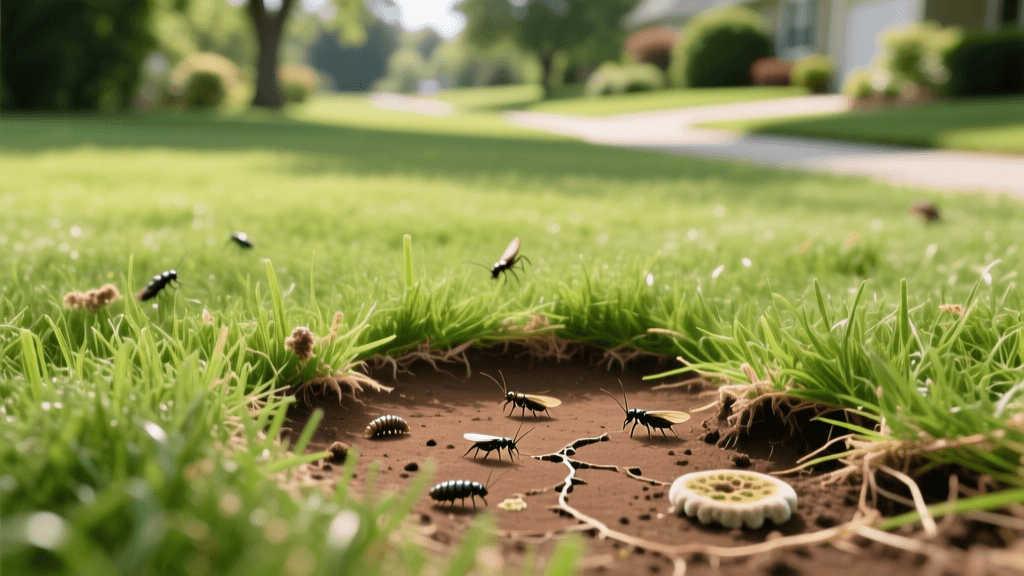
If your lawn feels spongy underfoot, rolls back like a carpet, or is being torn apart by foraging raccoons, skunks, and crows, you likely have a white grub infestation. Grubs are the C-shaped larval stage of scarab beetles, including Japanese beetles, June bugs, and European chafers. They live just below the soil surface, voraciously feeding on the root systems of your turfgrass. According to the Penn State Extension, a healthy lawn can tolerate a few grubs, but populations exceeding 5 to 10 grubs per square foot will cause severe, visible damage by late summer and early fall.
Choosing the right grub control product is not a one-size-fits-all scenario. The effectiveness of a treatment depends entirely on the active ingredient, the life cycle of the grub, and the exact timing of your application. In this comprehensive product review and comparison, we evaluate three of the most popular grub control strategies on the market: Scotts GrubEx (preventative), BioAdvanced Dylox (curative), and St. Gabriel Organics Milky Spore (biological).
Understanding Preventative vs. Curative Grub Control
Before purchasing a product, you must understand the difference between preventative and curative treatments. Preventative insecticides target young, newly hatched grubs in early to mid-summer before they can cause significant root damage. Curative insecticides are fast-acting contact poisons designed to kill mature, actively feeding grubs in late summer or fall when damage is already occurring.
Applying a preventative product in the fall will yield zero results, just as applying a short-lived curative product in the spring will leave your lawn unprotected by the time eggs hatch in July. Timing is the single most critical factor in grub management.
Product Review 1: Scotts GrubEx1 Season Long Grub Killer
The Preventative Standard
Active Ingredient: Chlorantraniliprole (0.08%)
Type: Preventative
Best Application Window: May through July
Scotts GrubEx1 is arguably the most recognized preventative grub control product on the retail market. Its active ingredient, Chlorantraniliprole, is a highly effective, low-toxicity anthranilic diamide that targets the muscle function of early-instar grubs. Because it takes 60 to 90 days to fully activate and move through the soil profile, the UMass Extension Turf Program recommends applying it in May or June for optimal protection against summer hatches.
Pros:
- Extremely safe for pets and humans once watered in and dried.
- Provides up to 4 months of residual control.
- Does not harm earthworms or beneficial soil nematodes.
Cons:
- Will not kill existing, mature grubs currently damaging your lawn.
- Requires precise spring timing; applying it in August is a waste of money.
Cost & Coverage: A standard 10 lb bag costs around $25-$28 and covers 5,000 square feet. The application rate is roughly 2.87 lbs per 1,000 sq ft.
Product Review 2: BioAdvanced 24 Hour Grub Killer Plus (Dylox)
The Curative Rescue Treatment
Active Ingredient: Trichlorfon (6.2%)
Type: Curative
Best Application Window: Late August through October (or spring for overwintered grubs)
When you dig into your thatch layer in September and find a dozen large, C-shaped grubs per square foot, it is time for a curative rescue. Dylox (sold under various brand names, including BioAdvanced 24 Hour Grub Killer Plus) utilizes Trichlorfon, an organophosphate that degrades rapidly in the soil but delivers a massive, immediate knockdown of active grubs. According to University of Kentucky Entomology, Trichlorfon can kill 90%+ of grubs within 24 to 48 hours of contact.
Pros:
- Stops active lawn destruction almost immediately.
- Highly effective against large, third-instar grubs in the fall.
- Can also be used in early spring to kill overwintered grubs before they pupate.
Cons:
- Very short soil residual life (degrades in a matter of days).
- More toxic to non-target organisms; requires careful handling and strict adherence to pet-reentry intervals.
- Must be watered in heavily immediately after application to move the chemical into the root zone before it degrades in sunlight.
Cost & Coverage: A 10 lb bag typically costs $35-$40 and covers 10,000 square feet, making it highly cost-effective for large properties requiring emergency intervention.
Product Review 3: St. Gabriel Organics Milky Spore
The Long-Term Biological Control
Active Ingredient: Paenibacillus popilliae (Milky Spore bacteria)
Type: Biological / Organic
Best Application Window: Spring or Fall (when soil is warm and grubs are feeding)
Milky Spore is a naturally occurring bacterium that specifically targets the digestive system of Japanese beetle grubs. When the grub ingests the spores, the bacteria multiply inside its body, eventually killing it and releasing billions of new spores back into the soil. This creates a self-sustaining cycle of biological control that can last 10 to 15 years.
Pros:
- 100% organic and completely safe for pets, children, and beneficial insects.
- Once established, it provides decade-long protection without reapplication.
- Targets the root cause of Japanese beetle populations in your specific yard.
Cons:
- Only works on Japanese beetle grubs; it will not control European chafers or June bugs.
- Takes 2 to 3 years to build up enough spore density in the soil to provide noticeable control.
- Will not stop an active, severe infestation in the current season.
Cost & Coverage: A 20 oz shaker can costs around $40 and covers 2,500 square feet (applied in a grid pattern). While the upfront cost is high, the long-term ROI is exceptional for organic gardeners.
Head-to-Head Grub Killer Comparison Chart
| Feature | Scotts GrubEx1 | BioAdvanced Dylox | Milky Spore |
|---|---|---|---|
| Control Type | Preventative | Curative | Biological / Organic |
| Active Ingredient | Chlorantraniliprole | Trichlorfon | Paenibacillus popilliae |
| Target Pests | All white grub species | All white grub species | Japanese Beetle grubs only |
| Time to Kill | Prevents hatching / slow kill | 24 - 48 Hours | 1 - 3 Weeks (per grub) |
| Ideal Application | May - July | August - October | Spring or Fall |
| Residual Life | Up to 4 Months | Less than 1 Week | 10 - 15 Years |
| Avg. Cost (per 5k sq ft) | $27.00 | $19.00 | $80.00 |
Best Practices for Application and Timing
Even the most expensive, scientifically advanced grub killer will fail if applied incorrectly. Follow these professional turf management steps to ensure your chosen product reaches the root zone where grubs feed:
- Mow Before Application: Mow your lawn to its standard height and remove heavy thatch. This prevents the granules from getting trapped in the grass blades and ensures they reach the soil surface.
- Calibrate Your Spreader: Whether using a broadcast or drop spreader, calibrate it according to the manufacturer's settings on the bag. Over-applying Dylox can lead to chemical runoff, while under-applying GrubEx will leave gaps in your preventative shield.
- Water In Immediately: Grub control products must be watered into the soil. Apply 0.5 to 1 inch of irrigation immediately after spreading. If you do not have an irrigation system and rain is not in the forecast within 24 hours, delay application until you can water it in yourself. Dylox degrades rapidly in UV sunlight and will be useless if left on the surface.
- Monitor for Secondary Damage: If animals are already digging up your lawn to eat the grubs, applying a curative insecticide like Dylox will remove the food source, encouraging the animals to move on. However, you may need to use temporary animal repellents or netting to protect the turf while it recovers and the insecticide takes effect.
Final Verdict: Which Grub Killer Should You Choose?
The 'best' grub killer is entirely dependent on the current month and the state of your lawn. If it is early summer (May or June) and your lawn is currently healthy, Scotts GrubEx1 is the undisputed champion for safe, long-lasting prevention. It provides peace of mind and protects your root system before the threat even emerges.
If it is late summer or fall, and you are actively seeing brown patches, peeling sod, and digging animals, skip the preventatives and purchase BioAdvanced Dylox. It is the only reliable retail option for knocking down a mature, destructive population quickly.
Finally, if you are an organic gardener, maintain a long-term property management plan, and specifically struggle with Japanese Beetles, investing in Milky Spore is a brilliant ecological strategy. While it won't save a dying lawn today, it will inoculate your soil against future generations of beetles, reducing the need for synthetic chemicals for the next decade.