Gardening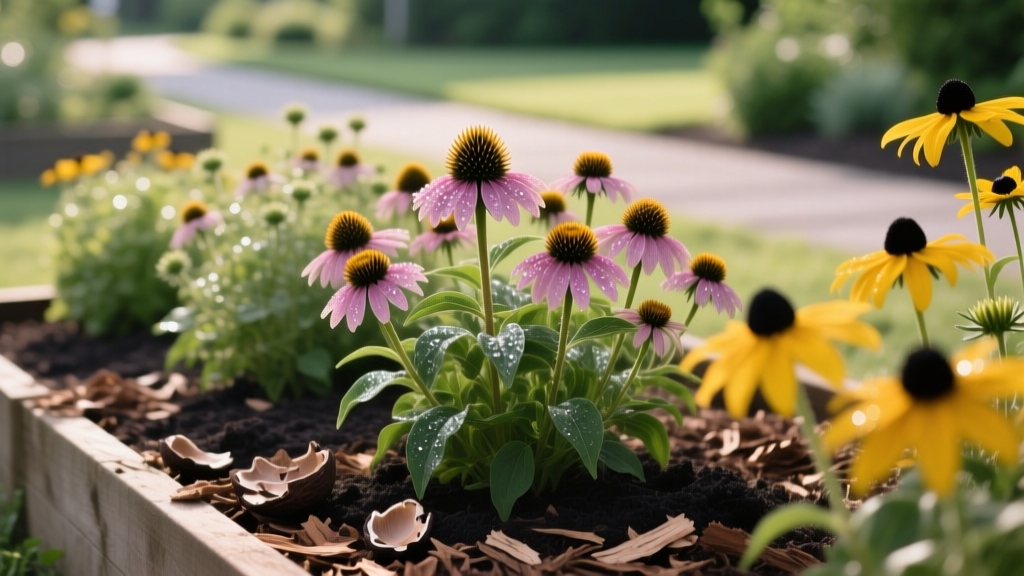
The 2026 Guide To Mulching Coneflowers And Black-Eyed Susans
Anna KowalskiPublished
The 2026 Approach to Mulching Prairie Perennials
As we navigate the 2026 gardening season, climate-resilient landscapes and matrix planting designs have firmly taken root in residential yards. At the heart of these sustainable designs are native prairie staples: the purple coneflower (Echinacea purpurea) and the black-eyed Susan (Rudbeckia fulgida). While these perennials are celebrated for their drought tolerance and pollinator appeal, their longevity in your garden depends heavily on one often-overlooked factor: mulching methods and materials.
Unlike woodland perennials that thrive in rich, moist, heavily mulched environments, coneflowers and black-eyed Susans are adapted to the rugged, well-draining soils of the North American prairie. Applying the wrong mulch—or applying it incorrectly—can lead to fatal crown rot and fungal diseases. This comprehensive guide explores the best mulching strategies to keep your native perennial beds thriving and blooming brilliantly in 2026.
Why Coneflowers and Black-Eyed Susans Require Special Mulching
The primary enemy of Echinacea and Rudbeckia is excessive moisture around the root crown. In their natural habitat, these plants experience periods of heavy rain followed by rapid drainage and drying. When gardeners apply thick layers of moisture-retaining organic mulch directly against the stems, they create a microenvironment that invites pathogens like Sclerotinia sclerotiorum (white mold) and various root rot fungi.
According to extensive perennial trials conducted by the Mt. Cuba Center, the genetic diversity of coneflowers has expanded massively, but their fundamental cultural requirements remain tied to their prairie roots. Proper mulching must balance weed suppression and soil temperature moderation without suffocating the plant's base or disrupting the vital mycorrhizal fungal networks in the soil.
Furthermore, according to the USDA Plants Database, Echinacea purpurea develops a deep, robust taproot system that allows it to survive extreme summer droughts. However, this taproot system requires the soil surface to dry out between rain events to trigger deeper root growth. A suffocating layer of wet mulch tricks the plant into developing shallow, lateral surface roots, making it ironically more susceptible to drought stress during late-summer heatwaves. Therefore, your mulching strategy must actively encourage deep root foraging by keeping the immediate surface relatively dry and unobstructed.
Top Mulch Materials for Native Perennial Beds (2026 Comparison)
Choosing the right material is critical. In 2026, the shift away from synthetic or heavily processed mulches continues, with gardeners favoring materials that support soil biology while providing excellent drainage. Below is a comparison of the most effective mulch types for coneflowers and black-eyed Susans.
| Mulch Material | Moisture Retention | Longevity | Avg. Cost (per cu yd) | Suitability for Natives |
|---|---|---|---|---|
| Crushed Gravel / Pea Stone | Very Low | Permanent | $55 - $75 | Excellent (Mimics prairie drainage) |
| Shredded Hardwood Bark | Medium | 1-2 Years | $35 - $45 | High (If kept away from crowns) |
| Arborist Woodchips | Low-Medium | 2-3 Years | $15 - $25 (Often Free) | High (Best for wide beds/pathways) |
| Composted Leaf Mold | High | 6-12 Months | $25 - $35 | Moderate (Use only as a light top-dress) |
1. Crushed Gravel and Grit (The Modern Prairie Choice)
For gardens heavily focused on drought-tolerant natives, gravel mulching has become the gold standard in 2026. A 1-inch layer of crushed gravel (such as decomposed granite or pea gravel) reflects heat, suppresses weeds, and allows water to pass through instantly. This method, popularized by modern gravel garden designs, ensures that the crowns of your black-eyed Susans remain completely dry after heavy summer downpours.
2. Shredded Hardwood Bark (The Traditional Standard)
If you prefer the rich, dark aesthetic of traditional bark mulch, shredded hardwood is acceptable provided you follow strict application rules. Avoid large, chunky bark nuggets, as they can harbor slugs and retain uneven moisture. Shredded bark interlocks, staying in place on slopes, but must be kept at a strict distance from the plant stems.
3. Arborist Woodchips (The Budget-Friendly Soil Builder)
Ramial chipped wood (RCW) or standard arborist woodchips are fantastic for the broader perennial bed. As noted by researchers at Penn State Extension, coarse woodchips break down slowly, feeding soil fungi without robbing the soil of nitrogen, provided they are not tilled into the earth. Keep the chips on the surface and away from the immediate base of your Echinacea.
Step-by-Step Mulching Method for Coneflowers and Rudbeckia
To maximize bloom production and plant longevity, follow this specific mulching protocol tailored for prairie perennials.
Step 1: Timing is Everything
Do not mulch too early in the spring. Wait until late spring (typically May, depending on your hardiness zone) after the soil has thoroughly warmed and your perennials have established a few inches of new growth. Mulching over cold, wet spring soil traps moisture and delays root development. For winter protection, wait until the ground has frozen hard in late fall before applying a light layer of evergreen boughs or weed-free straw to prevent frost heaving.
Step 2: The 'Donut' Application Technique
Never pile mulch against the stems. Create a 'donut' hole around the base of each coneflower and black-eyed Susan. Leave a 2 to 3-inch radius of bare soil directly around the crown. This bare zone allows the sun to bake the crown slightly, preventing the rot that kills thousands of native perennials annually.
Step 3: Mind the Depth
For woodland plants, a 3-4 inch layer of mulch is standard. For Echinacea and Rudbeckia, limit your organic mulch depth to 1.5 to 2 inches. If using gravel, a 1-inch layer is sufficient. The goal is to shade the soil surface and suppress weed seeds, not to create an impenetrable sponge.
Design Aesthetics: Matching Mulch to Your 2026 Garden Style
The visual impact of your mulch is just as important as its horticultural function. In 2026, landscape design emphasizes cohesion between the hardscape, mulch, and plant palette.
- Dark Hardwood vs. Bright Blooms: The deep, earthy tones of aged hardwood bark provide a striking visual contrast to the vibrant, daisy-like yellow petals of Rudbeckia 'Goldsturm' and the magenta cones of Echinacea purpurea. This high-contrast look makes the flowers appear to float above the soil.
- Gravel for Matrix Planting: If you are utilizing a modern matrix planting design—where grasses like Schizachyrium scoparium (Little Bluestem) are interwoven with coneflowers—a buff-colored decomposed granite mulch ties the whole prairie vignette together, mimicking the dry, sun-baked earth of the Midwest.
- Living Mulch: The most sustainable trend in 2026 is using living mulch. Instead of wood or stone, gardeners are planting low-growing, drought-tolerant groundcovers like Sedum spurium or Callirhoe involucrata (Poppy Mallow) beneath their taller black-eyed Susans to shade the soil naturally.
Common Mulching Mistakes to Avoid
Even experienced gardeners can fall into bad habits. Avoid these critical errors when maintaining your native perennial beds:
The Volcano Mistake: Piling mulch high against the stems of a black-eyed Susan will rot the crown within a single wet season. Always maintain the bare-soil donut.
Avoid Dyed Mulches: In 2026, the horticultural community has largely turned away from artificially dyed black or red mulches. The dyes can contain trace heavy metals or synthetic compounds that disrupt the delicate soil food web required by native perennials. Always opt for natural, undyed organic materials.
Over-Applying Compost: While compost is an excellent soil amendment, using it as a thick surface mulch for prairie plants can provide too much nitrogen and retain too much water. This leads to floppy, weak-stemmed coneflowers that require staking. If you use compost, apply a mere half-inch as a top-dressing in early spring, and let the earthworms incorporate it naturally.
Conclusion
Coneflowers and black-eyed Susans are the backbone of the sustainable, pollinator-friendly garden. By understanding their prairie origins and adapting your mulching methods to match their need for drainage and dry crowns, you ensure these stunning perennials will thrive for years to come. Whether you choose the modern aesthetic of a crushed gravel garden or the traditional look of carefully applied shredded bark, the right mulch applied the right way is the secret to a vibrant, low-maintenance landscape in 2026 and beyond.
