Gardening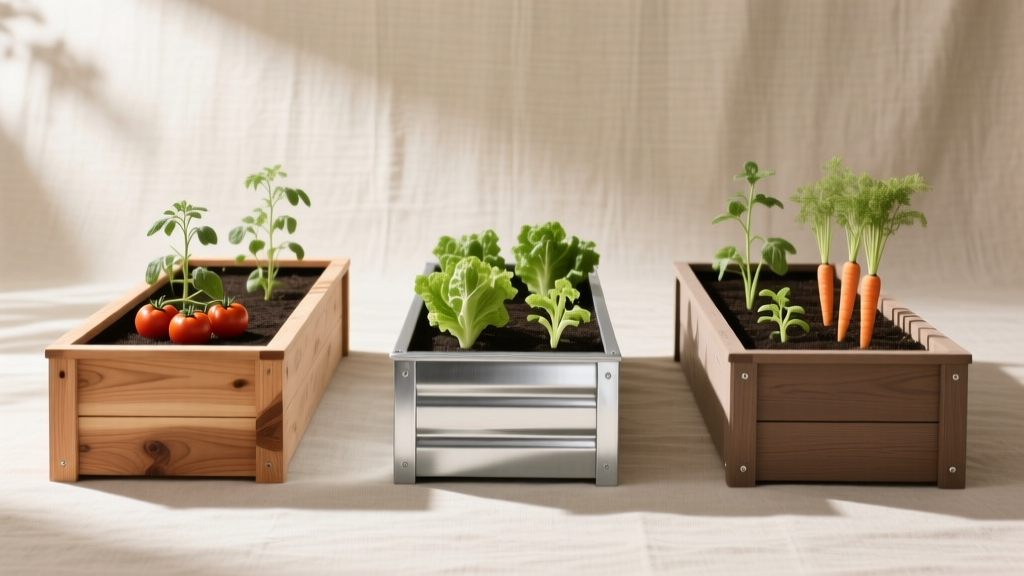
Best Raised Bed Garden Kits: Cedar vs Steel vs Composite
Anna KowalskiPublished
The Rise of the Raised Bed Garden
Raised bed gardening has transformed from a niche permaculture technique into a mainstream staple for home gardeners. Whether you are battling heavy clay soil, dealing with poor drainage, or simply looking to save your back from endless bending, raised beds offer a controlled, high-yield environment for vegetables, herbs, and flowers. But as the popularity of this gardening method has surged, so has the market for pre-fabricated raised bed kits. Walking through a garden center or browsing online, you will quickly find yourself overwhelmed by options: classic wood, modern galvanized steel, and ultra-durable composite plastics.
Choosing the right material for your raised garden bed is not just an aesthetic decision; it impacts your soil temperature, moisture retention, long-term budget, and the overall lifespan of your garden infrastructure. In this comprehensive product review and comparison guide, we break down the three most popular raised bed kit materials—Western Red Cedar, Galvanized Steel, and Recycled Composite—to help you make the best investment for your specific climate, budget, and gardening goals.
Why Material Matters for Raised Garden Beds
Unlike traditional in-ground gardening, raised beds isolate your soil from the native earth below. This means the walls of your bed are in constant contact with moist, microbe-rich soil, creating an environment that accelerates the degradation of many materials. Furthermore, the material you choose dictates how quickly the soil warms up in the spring, how fast it dries out in the summer heat, and whether any chemicals might leach into your edible crops. Let us dive into the top contenders on the market.
Western Red Cedar: The Traditionalist's Choice
For decades, untreated Western Red Cedar has been the gold standard for wooden raised beds. Cedar contains natural tannins and oils that make it highly resistant to rot, decay, and insect damage without the need for harsh chemical treatments like CCA (chromated copper arsenate), which was banned for residential use in 2003.
Top Product Pick: Gardener's Supply Company Cedar Raised Beds
Gardener's Supply offers some of the most reliable cedar kits on the market, typically utilizing 1-inch thick, rough-sawn cedar boards with mortise-and-tenon corner joints or heavy-duty aluminum brackets. A standard 4x8 foot kit (11 inches deep) usually retails between $180 and $250.
- Pros: Beautiful natural aesthetic that weathers to a distinguished silvery-gray; excellent natural insulation for plant roots; biodegradable and eco-friendly at the end of its life; easy to customize or cut to size.
- Pros: Naturally rot-resistant without chemical leaching.
- Cons: Eventually succumbs to rot (typically lasting 10 to 15 years depending on your climate); requires annual maintenance if you wish to retain the original wood color; heavier and more cumbersome to assemble than metal kits.
Galvanized Steel: The Modern Heavy-Duty Contender
Galvanized steel raised beds have taken the gardening world by storm in recent years. These beds are made from steel sheets coated in a layer of zinc to prevent rust and corrosion. They offer a sleek, modern, industrial look that pairs beautifully with contemporary landscape designs and urban homesteads.
Top Product Pick: Vego Garden Modular Metal Raised Beds
Vego Garden and Birdies are the undisputed leaders in the metal raised bed space. Vego Garden's modular wavy steel beds (often 17 inches deep for optimal root growth) retail between $160 and $280 for a 4x8 configuration. The wavy design is not just for looks; it adds structural integrity, preventing the metal from bowing outward when filled with heavy, wet soil.
- Pros: Exceptional lifespan (20 to 30+ years); completely rot-proof and pest-proof (voles and gophers cannot chew through the bottom if lined with hardware cloth); warms up faster in the spring, extending the growing season in cooler climates.
- Cons: Can overheat the soil on the edges during extreme summer heatwaves, requiring more frequent watering; sharp edges during assembly require heavy gloves; higher upfront cost for premium modular designs.
Addressing the Zinc Myth: Many gardeners worry about zinc toxicity in galvanized steel. According to research from university extension programs, the amount of zinc that leaches into slightly acidic garden soil is negligible and well within safe limits for edible crops. In fact, zinc is an essential micronutrient that many garden soils lack.
Composite and Recycled Plastic: The Zero-Maintenance Option
Composite raised beds are typically manufactured from a blend of recycled wood fibers and UV-stabilized polypropylene or high-density polyethylene (HDPE). They are designed to mimic the look of wood while offering the indestructible nature of plastic.
Top Product Pick: Frame It All Classic Composite Raised Beds
Frame It All utilizes a snap-together bracket system that makes assembly incredibly fast, requiring no power tools. A 4x8 foot kit (12 inches deep) generally costs between $200 and $350. The boards are hollow or channeled, which reduces weight and material costs while maintaining rigidity.
- Pros: Zero maintenance required (no sealing, staining, or painting); will never rot, splinter, or attract termites; excellent UV resistance prevents fading and warping; lightweight and easy to assemble.
- Cons: Can bow outward if not properly braced or if the bed is built too long without cross-supports; lacks the natural thermal insulation of real wood; plastic components may become brittle after 15+ years of extreme freeze-thaw cycles.
Head-to-Head Comparison Chart
| Feature | Western Red Cedar | Galvanized Steel | Recycled Composite |
|---|---|---|---|
| Average Cost (4x8 ft) | $180 - $250 | $160 - $280 | $200 - $350 |
| Expected Lifespan | 10 - 15 Years | 20 - 30+ Years | 15 - 20 Years |
| Assembly Difficulty | Moderate (Drill required) | Easy (Bolts/Wingnuts) | Very Easy (Snap-together) |
| Heat Retention | Excellent (Insulates) | High (Conducts heat) | Moderate |
| Maintenance Level | High (Annual sealing) | Low (Rust inspection) | None |
| Best Climate | All Climates | Cool/Northern Climates | Humid/Wet Climates |
Filling Your Raised Bed: Soil Science and Costs
The biggest hidden cost of raised bed gardening is not the kit itself, but the soil required to fill it. A standard 4x8 foot bed that is 12 inches deep requires exactly 32 cubic feet of soil. Purchasing bagged soil at $5 to $8 per cubic foot can quickly add $160 to $250 to your project budget.
According to the University of Maryland Extension (Home and Garden Information Center), the ideal raised bed soil mix should prioritize drainage, aeration, and organic matter, as raised beds dry out faster than in-ground gardens. They recommend avoiding heavy native topsoil or pure garden soil in bags, which can compact and suffocate roots in a raised environment.
The Ideal Soil Mix Recipe
For optimal vegetable production, aim for a mix consisting of:
- 50% High-Quality Topsoil or Sandy Loam: Provides the mineral base and structural bulk.
- 30% Organic Compost: Adds essential nutrients, beneficial microbes, and moisture retention. Blend multiple types of compost (e.g., mushroom, cow manure, leaf mold) for a broader nutrient profile.
- 20% Aeration and Drainage Material: Coarse horticultural sand, perlite, or pine bark fines to prevent compaction and ensure oxygen reaches the root zone.
The Hugelkultur Method: A Budget-Friendly Filling Strategy
If you are filling deep beds (17 inches or taller), purchasing enough premium soil mix can be prohibitively expensive. You can utilize the 'Hugelkultur' method to save money and improve long-term soil health. Fill the bottom third of your raised bed with decaying logs, thick branches, and twigs. Add a layer of grass clippings or fallen leaves, and then top off the remaining two-thirds with your premium soil mix. As the wood breaks down over the next 3 to 5 years, it acts like a sponge, retaining moisture during droughts and slowly releasing nutrients into the root zone.
Actionable Installation and Maintenance Tips
Regardless of the kit you choose, proper installation is vital for longevity and plant health. Always place your raised bed in a location that receives a minimum of 6 to 8 hours of direct sunlight daily. Before assembling the bed, mow the grass or weeds inside the footprint as short as possible, and lay down overlapping layers of plain, uncoated cardboard. This acts as a biodegradable weed barrier that will smother existing grass while allowing earthworms to migrate up into your new soil.
Watering Considerations: Steel beds conduct heat, meaning the soil within two inches of the metal walls will dry out much faster than the center of the bed. If you choose galvanized steel, install a drip irrigation system with emitters spaced closer to the perimeter to ensure even moisture distribution. Cedar and composite beds retain moisture more evenly but still benefit greatly from drip lines buried under a layer of organic mulch, such as straw or shredded leaves.
Winterizing Wood: If you opt for cedar and wish to prevent it from turning gray, apply a coat of raw, organic linseed oil or a specialized garden-safe wood sealer every autumn. Never use pressure-treated wood or old railroad ties, as they can leach copper, arsenic, or creosote into your edible garden.
Final Verdict: Which Raised Bed Kit is Right for You?
There is no single 'best' raised bed kit; the right choice depends entirely on your priorities. If you are a traditionalist who values natural aesthetics, excellent root insulation, and a biodegradable footprint, Western Red Cedar remains the undisputed champion, provided you are willing to perform occasional maintenance and replace the bed in a decade or so.
If you want a permanent, heavy-duty installation that warms up quickly in the spring and requires virtually zero structural maintenance, Galvanized Steel (like Vego Garden) is the superior modern investment, especially for gardeners in cooler northern climates looking to maximize their growing season.
Finally, if you suffer from high humidity, heavy rainfall, or termite pressure, and you want a lightweight, splinter-free bed that you can assemble in twenty minutes and never think about again, Recycled Composite kits offer the ultimate zero-maintenance convenience. Whichever material you select, investing in a high-quality kit and a premium soil blend will yield bountiful harvests of tomatoes, peppers, and greens for years to come.
