Gardening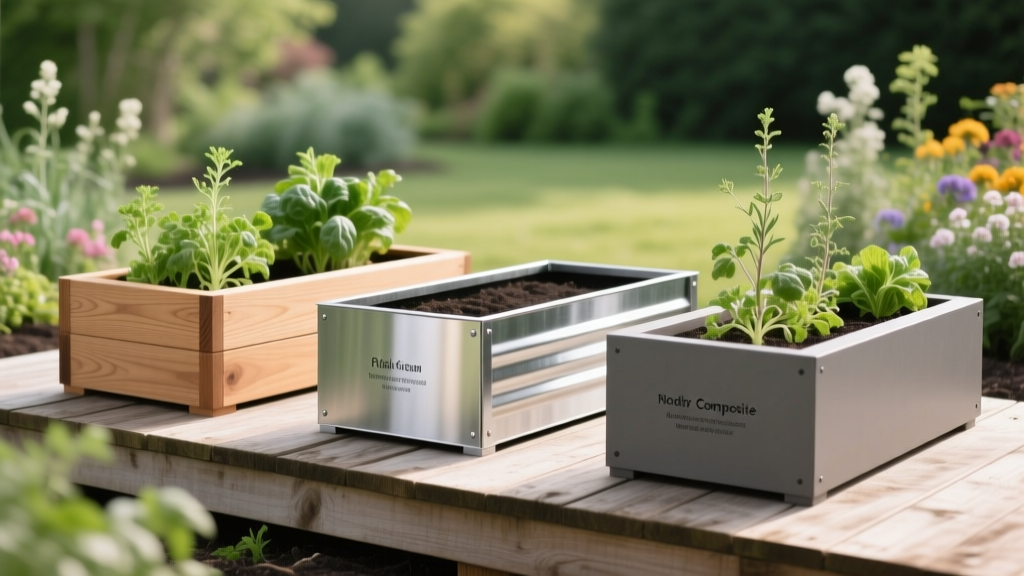
Best Raised Bed Kits: Cedar vs Steel vs Composite
Anna KowalskiPublished
The Rise of the Raised Bed
Raised bed gardening has completely transformed how home growers approach vegetable and flower cultivation. By elevating the soil profile, gardeners gain superior control over soil composition, drainage, and weed management. However, the foundation of any successful raised bed garden is the physical structure itself. With dozens of options on the market, selecting the right material is a critical decision that impacts your budget, the longevity of your garden, and even the microclimate of your soil. In this comprehensive product review and comparison, we test and evaluate the three most popular raised bed materials on the market: natural cedar, galvanized steel, and recycled composite.
1. Natural Wood: Gronomics 4x8 Rustic Cedar Raised Bed
For the traditionalist, nothing beats the look and feel of natural wood. The Gronomics Rustic Cedar Raised Bed, measuring 4 feet by 8 feet by 10.5 inches, is a premium, untreated western red cedar kit that appeals to organic gardeners who want to avoid any synthetic chemicals near their edible crops.
Assembly and Cost
Priced at approximately $189, this kit is remarkably user-friendly. It features a patented dovetail joint design that requires absolutely no tools for assembly. You simply slide the boards into the corner posts and stack them. Setup takes roughly ten minutes, making it the undisputed champion of convenience for weekend gardeners.
Longevity and Performance
Western red cedar contains natural oils that resist rot, decay, and insect damage. In a temperate climate like USDA Zones 5 through 7, you can expect this bed to last 10 to 15 years. However, in wet, humid climates, the wood will eventually succumb to moisture. To extend its lifespan, gardeners can apply a raw linseed oil sealant annually. Cedar also provides excellent natural insulation, keeping soil temperatures remarkably stable during fluctuating spring weather.
2. Galvanized Steel: Vego Garden Modular 4x8 Kit
Metal raised beds have surged in popularity due to their sleek, modern aesthetic and incredible durability. The Vego Garden Modular Kit, measuring 4 feet by 8 feet by 12 inches, is constructed from a zinc-aluminum-magnesium coated steel that is engineered to withstand harsh outdoor elements without rusting.
Assembly and Cost
Retailing for around $199, the Vego Garden kit is slightly heavier and more complex to build. Assembly requires the included wrench and takes about 45 minutes to bolt the corrugated panels and corner brackets together. The edges are rolled for safety, but wearing heavy gardening gloves during assembly is highly recommended to avoid micro-abrasions.
Longevity and Performance
The standout feature of galvanized steel is its lifespan. You can realistically expect 20 to 30 years of use before any significant degradation occurs. The reflective nature of the metal can also help bounce sunlight onto lower plant canopies. However, steel is a thermal conductor. In hot summer climates like Zones 8 through 10, the outer perimeter of the soil can become excessively warm, which requires strategic planting and mulching to protect delicate roots.
3. Recycled Composite: Frame It All Classic 4x8 Bed
Composite materials offer a middle ground between the natural look of wood and the permanence of metal. The Frame It All Classic kit, measuring 4 feet by 8 feet by 11 inches, is manufactured from a blend of recycled high-density polyethylene plastic and reclaimed wood fibers.
Assembly and Cost
At $240, it is the most expensive option in our lineup. The boards slide into snap-lock corner brackets. While no tools are strictly required, using a rubber mallet to secure the joints ensures a tight fit. Assembly takes about 30 minutes, provided the ground is perfectly level.
Longevity and Performance
Composite boards will never rot, splinter, or require sealing. They are rated to last 25 years or more. The material mimics the grain of real wood, though it lacks the authentic scent and texture of cedar. One drawback is structural rigidity; when filled with heavy, wet soil, the 8-foot side panels can bow outward if not reinforced with cross-brakes or a center support bracket.
Head-to-Head Comparison Chart
| Feature | Gronomics Cedar | Vego Garden Steel | Frame It All Composite |
|---|---|---|---|
| Dimensions | 4 ft x 8 ft x 10.5 in | 4 ft x 8 ft x 12 in | 4 ft x 8 ft x 11 in |
| Approximate Cost | $189 | $199 | $240 |
| Estimated Lifespan | 10 to 15 years | 20 to 30 years | 25+ years |
| Assembly Time | 10 minutes | 45 minutes | 30 minutes |
| Heat Retention | Low (Insulating) | High (Conductive) | Low (Insulating) |
| Maintenance | Annual oiling optional | None | None |
As the data illustrates, there is a clear trade-off between initial cost, lifespan, and thermal dynamics. While composite carries the highest upfront cost, its zero-maintenance profile balances the investment over decades of use.
Soil Temperature and Plant Health Considerations
The material of your raised bed directly influences soil thermodynamics, which in turn affects seed germination and root health. According to the Oregon State University Extension Service, raised beds generally warm up faster in the spring than in-ground soil, allowing for earlier planting of cool-season crops like radishes, spinach, and peas. However, the thermal mass of the bed material dictates how long that heat is retained.
OSU Extension notes that while metal beds excel at extending the growing season in cooler northern climates by absorbing and radiating solar heat, they can overheat the outer six inches of soil in extreme summer conditions. To mitigate this, OSU recommends applying a two-inch layer of organic straw mulch and utilizing drip irrigation to maintain consistent soil moisture and buffer temperature spikes.
Cedar and composite materials act as insulators. They prevent rapid heat transfer, meaning the soil inside these beds will remain closer to the ambient air temperature. This makes cedar and composite ideal for southern gardeners who struggle with summer heat stress on shallow-rooted vegetables like lettuce and cilantro.
Seasonal Maintenance and Planting Guide
Spring Preparation and Soil Mixing
Regardless of the material you choose, spring is the time to refresh your soil. A proper soil mix is critical for raised beds, as native ground soil is often too dense. We recommend a blend of 60 percent high-quality topsoil, 30 percent organic compost, and 10 percent coco coir or peat moss for optimal drainage and nutrient retention. Top-dress the bed with an additional two inches of compost before planting. For cedar beds, inspect the lower corners for signs of fungal growth and apply a natural copper-based fungicide if necessary.
Summer Mulching and Crop Placement
If you are using the Vego Garden steel bed, mulching is non-negotiable in July and August. Use untreated grass clippings or straw to shade the soil surface. Plant heat-loving crops like tomatoes, peppers, and basil in the center of the metal bed, and reserve the warmer edges for sprawling plants like sweet potatoes that thrive in higher soil temperatures. Conversely, keep delicate greens in the center of cedar or composite beds where the soil remains cooler.
Fall and Winter Care
In the fall, plant a cover crop such as winter rye or crimson clover to prevent soil erosion and fix nitrogen for the following spring. For composite beds, ensure that the snap-brackets are clear of expanding ice if you live in a freeze-thaw climate, as trapped water can crack plastic joints over multiple winter cycles. Steel beds should be wiped down with a damp cloth to remove acidic plant debris that could eventually compromise the galvanized coating over decades.
Final Verdict: Which Kit Should You Buy?
Choosing the best raised bed kit ultimately depends on your specific gardening goals, local climate, and budget. The Gronomics Cedar Raised Bed is the undisputed best choice for organic purists, budget-conscious beginners, and gardeners who prioritize quick, tool-free assembly. Its natural insulating properties make it a safe, versatile bet for almost all climate zones.
The Vego Garden Galvanized Steel Kit is the ultimate investment for long-term durability. If you want a garden structure that will outlast your time in your current home, and you do not mind a slightly longer assembly process, steel is the way to go. It is particularly advantageous for northern gardeners looking to maximize their short growing seasons through thermal radiation.
Finally, the Frame It All Composite Kit is perfect for the low-maintenance gardener who wants the aesthetic of wood without the annual upkeep. While it carries the highest upfront cost and requires occasional structural bracing for longer spans, its resistance to rot and insects guarantees decades of hassle-free harvests. Whichever material you select, investing in a quality raised bed kit is the first step toward a bountiful, organized, and beautiful home garden.
