Pest Control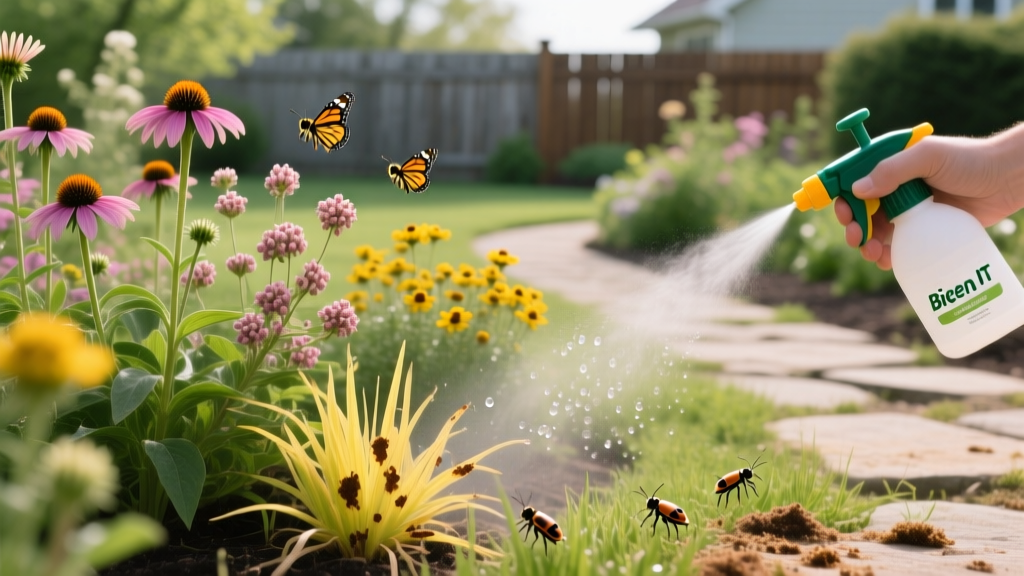
Stop Chinch Bugs With Bifen IT: Pollinator Guide 2026
Mike RodriguezPublished
The Challenge: Chinch Bugs vs. Pollinator-Friendly Lawns in 2026
As we navigate the 2026 growing season, homeowners are increasingly balancing two competing goals: maintaining a pristine, lush turfgrass lawn and cultivating a thriving, pollinator-friendly garden ecosystem. The hairy chinch bug (Blissus leucopterus) remains one of the most destructive turf pests in North America, capable of turning a vibrant green lawn into a patchwork of dead, brown straw in a matter of weeks. When chinch bug populations explode, many turf managers turn to Bifen IT (active ingredient: bifenthrin) for rapid knockdown control.
However, bifenthrin is a broad-spectrum pyrethroid insecticide that is highly toxic to bees, butterflies, and other beneficial pollinators. Applying it carelessly can devastate the very pollinator habitats you are trying to protect. This comprehensive guide will teach you how to accurately identify chinch bug damage, utilize Bifen IT responsibly under the latest 2026 environmental guidelines, and integrate pollinator-safe buffer zones into your landscape design.
Identifying Chinch Bug Damage: Don't Guess, Verify
Before reaching for any chemical control, accurate identification is the cornerstone of Integrated Pest Management (IPM). Chinch bug damage is notoriously misdiagnosed as drought stress, irrigation failure, or fungal disease. In 2026, with shifting climate patterns causing more frequent mid-summer dry spells, this confusion is more common than ever.
Chinch bugs damage turf by piercing the grass blades and stems with their mouthparts, sucking out the plant sap, and injecting a toxic saliva that blocks the plant's vascular system. This results in yellowing, followed rapidly by purplish-brown, dead patches.
The Tin Can Floatation Test
To confirm a chinch bug infestation, perform the classic floatation test. Remove both ends of a metal coffee can or large tin can. Push the can into the soil at the margin of a damaged patch (where the dead grass meets the green grass). Fill the can with water and wait for 5 to 10 minutes. If chinch bugs are present, they will float to the surface. Finding 20 to 30 chinch bugs per square foot warrants treatment.
Damage Comparison Chart
| Indicator | Chinch Bug Damage | Drought Stress | Grub Damage |
|---|---|---|---|
| Patch Shape | Irregular, expanding outward from sunny edges | Uniform, widespread thinning or dormancy | Random, spongy brown patches |
| Root Attachment | Firmly rooted, but grass is brittle and dead | Firmly rooted, grass is dormant but alive | Pulls up easily like loose carpet |
| Visible Pests | Small black/white bugs at the thatch/soil line | None | White C-shaped larvae in the topsoil |
| Location | Full sun, hot areas near driveways or sidewalks | Entire lawn, especially slopes | Random, often near night-lighting |
Understanding Bifen IT and Pollinator Toxicity
Bifen IT is a popular, cost-effective insecticide. In 2026, a standard 16-ounce bottle of Bifen IT typically retails between $28 and $35, making it an economical choice for large properties. Bifenthrin works by disrupting the nervous system of insects upon contact or ingestion. It is not a systemic chemical (meaning it does not travel up into the plant's nectar or pollen like neonicotinoids do), which is a crucial distinction for pollinator safety.
According to the National Pesticide Information Center (NPIC), bifenthrin is highly toxic to bees on an acute contact basis. If a foraging bee lands on a grass blade or weed flower recently treated with Bifen IT, the residue can be lethal. Therefore, the goal of pollinator-friendly lawn care is not necessarily to ban pyrethroids entirely, but to eliminate the exposure pathway between the chemical and the pollinator.
Pollinator-Safe Application Strategies for Bifen IT
If the tin can test confirms a damaging chinch bug population, and you choose to use Bifen IT, you must follow strict application protocols to protect your garden's beneficial insects.
1. Mow and Eliminate Flowering Weeds First
Chinch bugs often hide in the thatch layer, but pollinators forage on flowers. Lawns infested with flowering weeds like white clover, dandelions, or creeping charlie act as a trap for bees. Never apply Bifen IT to a lawn with blooming weeds. Mow the lawn immediately before application, bag the clippings, and remove all flowering heads from the treatment zone. Wait until the weeds stop blooming or are completely removed before spraying.
2. Time Your Application for Dusk
Bees and butterflies are diurnal; they forage during the day and return to their hives or roosts at night. Apply Bifen IT late in the evening, just as the sun sets. This allows the liquid carrier (water) to evaporate and the bifenthrin to bind to the thatch and soil surface overnight. By the time pollinators emerge the next morning, the residue will have dried and settled below the foraging zone, significantly reducing contact toxicity.
3. Use Spot Treatments, Not Broadcast Sprays
Abandon the 'carpet bomb' approach. Chinch bugs typically start in localized hot spots—usually the driest, sunniest areas near pavement. Mix Bifen IT at the label rate for chinch bugs (typically 0.5 to 1.0 fluid ounces per 1,000 square feet in 2026 formulations) and use a pump sprayer to target only the infested patches and a 5-foot buffer around them. This leaves the rest of the lawn as a safe haven for beneficial insects.
4. Water It In Immediately
After the spray dries on the grass blades (usually 1 to 2 hours), lightly irrigate the treated area with about 1/4 inch of water. This washes the bifenthrin residue off the grass blades and down into the thatch and upper soil layer where the chinch bugs live and feed, removing it from the surface where bees might land.
Integrating Pollinator-Friendly IPM Alternatives
The EPA's Integrated Pest Management principles emphasize using chemical controls only when necessary. To reduce your reliance on Bifen IT, incorporate these pollinator-safe biological and cultural controls into your 2026 lawn care regimen:
- Big-Eyed Bugs (Geocoris species): These are natural predators of chinch bugs. They are slightly larger and have prominent, bulging eyes. Learn to distinguish them from chinch bugs so you don't accidentally target your allies.
- Beneficial Nematodes: Applying Steinernema carpocapsae nematodes in the late spring can help reduce chinch bug nymph populations in the soil without harming any above-ground pollinators.
- Endophyte-Enhanced Turfgrass: If you are overseeding in the fall, choose fine fescues or perennial ryegrasses that contain beneficial endophytes. These naturally occurring fungi live inside the grass and produce alkaloids that deter chinch bugs from feeding, providing a built-in, chemical-free defense.
- Beauveria bassiana: This naturally occurring entomopathogenic fungus is available in organic biopesticide formulations. It infects and kills chinch bugs but is generally safe for pollinators when applied correctly.
Designing the Pollinator Buffer Zone
To truly protect your garden, physical landscape design is just as important as chemical timing. The Xerces Society for Invertebrate Conservation advocates for creating distinct spatial boundaries between high-input turf areas and sensitive pollinator habitats.
Establish a 'Buffer Zone' between your lawn and your pollinator garden beds. This can be achieved by:
- Hardscaping: Install a gravel path, stone edging, or a low retaining wall between the turf and the garden. This creates a physical barrier that stops spray drift and surface runoff.
- Dense Shrub Borders: Plant a dense row of non-flowering (or wind-pollinated) ornamental grasses or shrubs along the lawn's edge. These act as a windbreak, catching any accidental aerosol drift from your pump sprayer before it reaches the delicate blossoms of your bee balm, coneflowers, or milkweed.
- Elevation Changes: Grade the lawn so that it slopes slightly away from the pollinator garden. This ensures that any excess irrigation water used to 'water in' the Bifen IT drains away from the root zones of your pollinator plants, protecting soil-dwelling native bees and aquatic life.
Conclusion
Managing chinch bugs in 2026 does not require sacrificing your commitment to a pollinator-friendly landscape. By meticulously identifying the pest through the floatation test, eliminating flowering weeds prior to treatment, applying Bifen IT strictly at dusk, and utilizing targeted spot treatments, you can effectively neutralize turf threats while safeguarding vital pollinator populations. Combine these careful chemical practices with biological controls and smart landscape buffering, and your lawn and garden will thrive in harmony all season long.