Lawn Care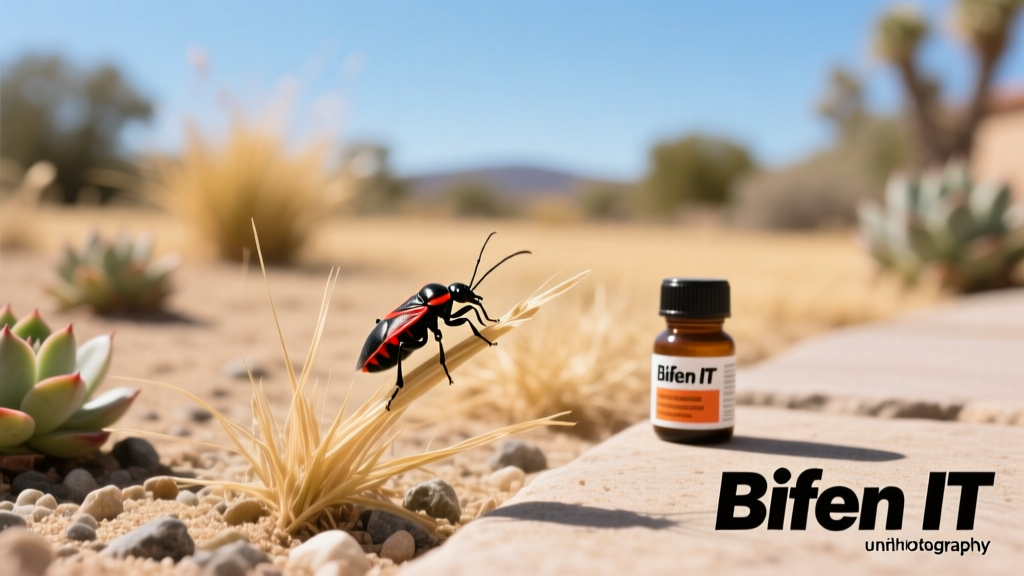
Xeric Lawn Chinch Bug Control: Bifen IT 2026 Guide
Lisa ThompsonPublished
The Xeriscaping Dilemma: Drought Stress and Chinch Bugs in 2026
As water conservation becomes a critical priority for homeowners in 2026, xeriscaping and low-water landscaping have transitioned from niche gardening trends to essential lawn care strategies. By utilizing drought-tolerant grasses like Buffalograss, Bermuda, and Zoysia, homeowners can drastically reduce their outdoor water consumption. However, this low-water approach introduces a unique vulnerability: chinch bugs. These destructive pests thrive in hot, dry environments and are notoriously attracted to the exact drought-stressed conditions that xeriscapers intentionally maintain.
When you restrict irrigation to comply with local 2026 water conservation mandates or to maintain a true xeriscape, your turf naturally experiences mild moisture stress. While drought-tolerant grasses can handle this stress, chinch bugs (Blissus insularis and related species) view it as an open invitation. They pierce the grass blades, inject a toxin that blocks water transport, and suck out the plant juices. The result is a lawn that appears to be dying from drought, leading many xeriscapers to mistakenly increase watering—defeating the entire purpose of their low-water landscape. To break this cycle, targeted chemical intervention is often necessary, and Bifen IT has emerged as a leading solution for low-water turf management.
Identifying Chinch Bugs in Drought-Tolerant Turf
Before reaching for an insecticide, accurate identification is paramount. In a xeric lawn, the symptoms of chinch bug damage and genuine drought stress are nearly identical. Both present as irregular, yellowing patches that eventually turn crisp and brown, typically starting in the sunniest, hottest areas of the yard near driveways or sidewalks.
The Visual Inspection
Chinch bugs are small but visible to the naked eye if you know where to look. Part the thatch layer at the margin between the healthy green grass and the dying brown grass. You are looking for:
- Adults: Approximately 1/5 inch long, black bodies with white wings folded over their backs, featuring a distinct black triangular mark.
- Nymphs: Smaller, wingless, and bright red or orange with a white band across their abdomens. As they mature, they darken.
The Coffee Can Flotation Test
Because xeric lawns often have compacted soil and dense thatch, visual inspection can be tricky. The University of Florida IFAS recommends the coffee can test for definitive confirmation. Remove both ends of a metal coffee can, push it about two inches into the soil at the edge of a damaged area, and fill it with water. Wait for five minutes. If chinch bugs are present, they will float to the surface. Finding 20 to 25 bugs per square foot indicates a severe infestation requiring immediate treatment.
Why Bifen IT? The 2026 Standard for Xeric Lawns
Bifen IT is a highly effective, broad-spectrum insecticide containing 7.9% Bifenthrin, a synthetic pyrethroid. According to the National Pesticide Information Center, Bifenthrin works by disrupting the nervous system of insects, leading to rapid paralysis and death upon contact or ingestion. For xeriscaping enthusiasts in 2026, Bifen IT offers several distinct advantages over alternative treatments.
First, it provides excellent residual control, lasting up to 30 days outdoors. This means you do not need to reapply frequently, saving both time and water. Second, unlike some granular treatments that require heavy, immediate watering to activate the active ingredient into the soil profile, Bifen IT is a liquid concentrate that can be applied as a surface spray. While a light watering is recommended to wash the product off the grass blades and into the thatch where chinch bugs hide, it requires significantly less water than granular alternatives, keeping your landscape firmly within low-water budget constraints.
Step-by-Step Bifen IT Application Guide
Applying Bifen IT in a xeriscape requires precision. You want to maximize pest contact while minimizing water waste and environmental runoff. Below is the recommended protocol for 2026.
1. Preparation and Mowing
Mow your drought-tolerant lawn to its recommended height (usually 2 to 3 inches for Bermuda and Zoysia) and bag the clippings. This removes a portion of the thatch layer and exposes the soil surface, allowing the Bifen IT spray to penetrate directly into the chinch bug habitat.
2. Mixing Rates and Measurements
Bifen IT is highly concentrated. Using a pump sprayer or hose-end sprayer, mix the product according to the severity of your infestation. Always read the 2026 manufacturer label for the most current safety guidelines.
| Infestation Level | Bifen IT per 1,000 sq ft | Water Volume | Expected Coverage (16 oz Bottle) |
|---|---|---|---|
| Preventative / Light | 0.5 fl oz | 1 to 2 gallons | ~32,000 sq ft |
| Moderate Activity | 1.0 fl oz | 1 to 2 gallons | ~16,000 sq ft |
| Severe / Heavy Damage | 2.0 fl oz | 2 gallons | ~8,000 sq ft |
3. Application Technique
Apply the spray evenly across the affected areas, extending at least 5 feet into the surrounding healthy green grass to create a buffer zone. Chinch bugs migrate rapidly, and treating the perimeter prevents them from simply walking back into the treated zone. Apply during the early morning or late evening when temperatures are cooler and the bugs are most active near the surface.
4. The Xeriscape Watering Rule
Standard lawn care advice dictates watering heavily after pesticide application. In a xeriscape, this is counterproductive. Instead, time your Bifen IT application to coincide with your lawn's scheduled low-water irrigation day. Apply the insecticide in the evening, and let your automated, water-efficient drip or low-volume sprinkler system run its standard cycle the following morning. This provides just enough moisture (about 1/8 to 1/4 inch) to move the Bifenthrin into the thatch layer without wasting a single drop of water.
2026 Drought Restriction Note: Always check your local municipal water authority guidelines before scheduling post-application irrigation. Many regions with strict xeriscaping mandates allow brief exemptions for agricultural or pest-control watering, but verifying this can prevent costly fines.
Bifen IT vs. Alternative Chinch Bug Treatments
While Bifen IT is a powerhouse, it is important to understand how it compares to other options, especially when managing an eco-conscious, low-water landscape.
| Treatment Option | Active Ingredient / Method | Water Requirement | Xeriscape Compatibility |
|---|---|---|---|
| Bifen IT | Bifenthrin 7.9% (Pyrethroid) | Low (Light water-in) | Excellent; highly effective with minimal water waste. |
| Granular Bifenthrin | Bifenthrin (Granular) | High (Heavy water-in) | Poor; requires significant irrigation to activate. |
| Beneficial Nematodes | Steinernema species | Very High (Constant moisture) | Poor; nematodes die rapidly in dry xeric thatch. |
| Neem Oil | Azadirachtin (Organic) | Medium | Fair; requires frequent reapplication, breaking down fast in high UV heat. |
As the table illustrates, biological controls like beneficial nematodes fail in xeriscapes because they require consistently moist soil to survive and hunt. Organic options like Neem oil degrade too quickly under the intense, unshaded sun that xeric lawns typically endure. Bifen IT remains the most pragmatic choice for balancing severe pest pressure with strict water conservation.
Long-Term Xeriscape Lawn Maintenance to Prevent Return
Chemical treatment with Bifen IT will eliminate the current generation of chinch bugs, but long-term success in a low-water landscape requires cultural practices that make your lawn inhospitable to future infestations. The EPA WaterSense program emphasizes that healthy, well-maintained drought-tolerant lawns are naturally more resilient to pests.
Thatch Management
Chinch bugs breed and hide in the thatch layer—the spongy mat of dead and living organic matter between the soil and the grass blades. In xeric lawns, thatch can dry out completely, creating a perfect, arid sanctuary for these pests. Core aeration and periodic dethatching are essential. For warm-season xeric grasses like Zoysia, plan to dethatch in early summer when the grass is actively growing and can recover quickly without requiring excessive supplemental water.
Optimizing Low-Volume Irrigation
Even drought-tolerant grasses need some water. The goal of xeriscaping is not zero water, but efficient water use. Utilize smart irrigation controllers equipped with soil moisture sensors. These devices prevent the lawn from reaching the severe wilting point that triggers chinch bug feeding frenzies, while still respecting your low-water boundaries. Deep, infrequent watering encourages deep root growth, which helps the grass outcompete surface-dwelling pests.
Fertilization Strategies
Avoid high-nitrogen, quick-release fertilizers. These force rapid, succulent top-growth that is highly attractive to chinch bugs and requires more water to sustain. Instead, use slow-release, organic fertilizers applied in the spring and fall. This promotes steady, resilient growth that aligns perfectly with the philosophy of sustainable, low-water landscaping.
Conclusion
Maintaining a lush, xeriscaped lawn in 2026 requires a delicate balance between water conservation and proactive pest management. Chinch bugs exploit the very drought-stressed conditions that low-water landscaping embraces, making early identification and targeted treatment crucial. By utilizing Bifen IT, applying it with precision, and integrating smart cultural practices, you can protect your drought-tolerant turf without compromising your environmental goals or your water bill. Stay vigilant, test your thatch regularly, and enjoy the sustainable beauty of a thriving xeric landscape.