Tree Care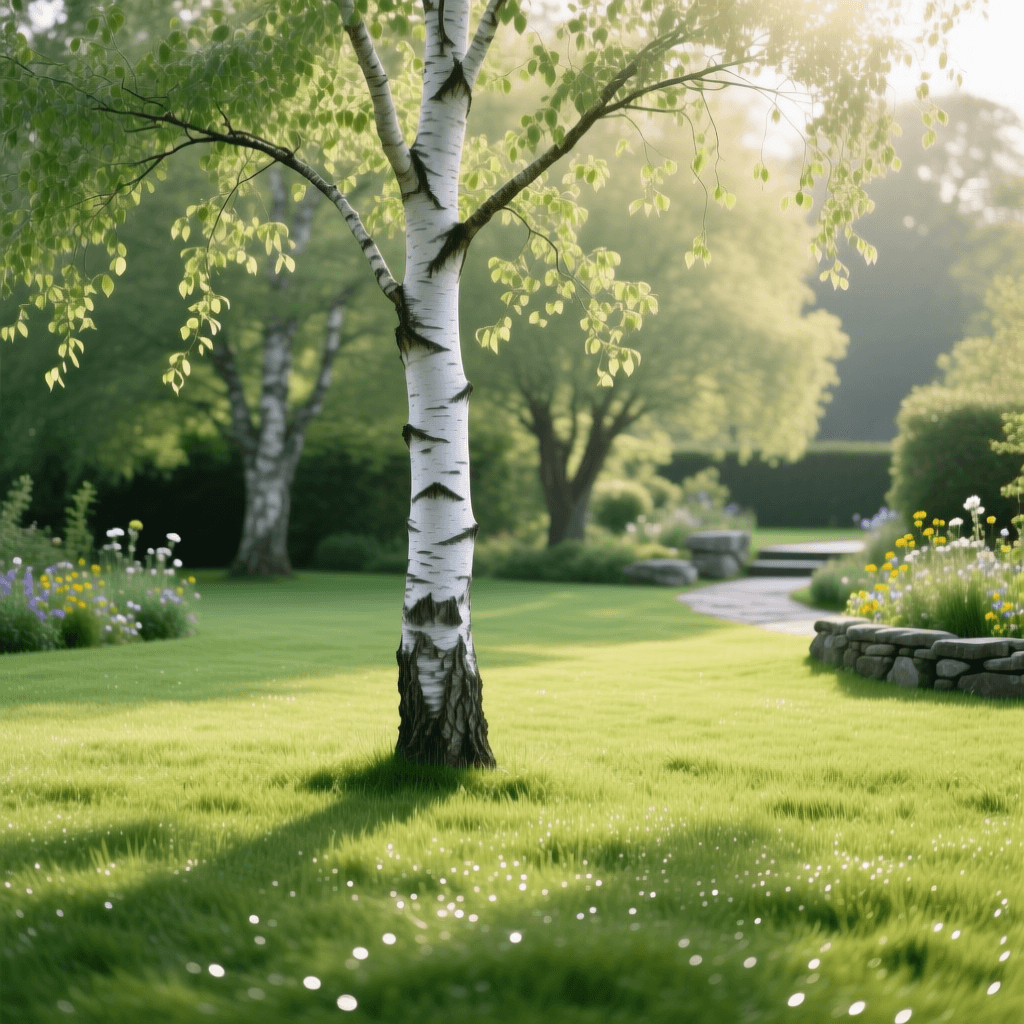
The Ultimate Guide to Birch Tree Care: Planting, Pruning, & Maintenance
Birch trees (genus Betula) are among the most recognizable & beloved ornamental trees in residential landscapes. Known for their striking, peeling bark, delicate triangular leaves, & elegant, airy canopies, birches provide a unique aesthetic that changes beautifully with the seasons. However, their graceful appearance belies a somewhat demanding nature. Unlike many hardy shade trees, birches are notoriously sensitive to environmental stress, poor soil conditions, & improper maintenance. If you are looking to integrate these stunning specimens into your yard, understanding the nuances of proper tree care is absolutely essential.
In their natural habitat, birch trees are typically found in riparian zones—along riverbanks, streams, & in cool, moist forest clearings. They thrive in environments where their shallow root systems have constant access to moisture & where the soil remains cool. Replicating these conditions in a suburban lawn or garden setting is the secret to a long-lived, vibrant birch tree. This comprehensive guide will walk you through everything you need to know about birch tree care, from selecting the right variety & preparing the soil, to mastering the critical timing of pruning & defending against devastating pests.
Choosing the Right Birch Tree Variety for Your Landscape
Before you can begin caring for a birch tree, you must ensure you have selected a species that is well-suited to your local climate & soil conditions. Planting a tree outside of its preferred hardiness zone or in the wrong soil type is the leading cause of premature decline. Here are the most common birch varieties found in landscaping:
- River Birch (Betula nigra): This is arguably the most adaptable & heat-tolerant birch species available. Native to the floodplains of the eastern United States, the River Birch is highly resistant to the dreaded Bronze Birch Borer. Its salmon-pink to reddish-brown exfoliating bark provides stunning winter interest, making it a top choice for warmer climates where other birches struggle.
- Paper Birch (Betula papyrifera): Famous for its brilliant, chalky-white bark that peels away in papery strips, this species is iconic in northern landscapes. However, it requires cool summers & cold winters to thrive. It is highly susceptible to the Bronze Birch Borer in warmer zones & should generally be avoided in regions with hot, humid summers.
- Silver Birch (Betula pendula): Native to Europe & Asia, the Silver Birch features weeping branches & white bark marked with black fissures. It prefers cooler climates & well-drained, slightly acidic soils. Like the Paper Birch, it is vulnerable to borers if stressed by heat or drought.
- Himalayan Birch (Betula utilis var. jacquemontii): Prized for having the whitest bark of all birch species, this tree is a striking focal point. It requires consistent moisture & protection from harsh afternoon sun to prevent leaf scorch.
When selecting a tree, always consult your local agricultural extension office or a certified arborist to determine which species will thrive in your specific microclimate. For more insights on integrating trees into your overall landscape design, explore our guides on soil testing & preparation to ensure your yard can support a new planting.
Site Selection, Soil Preparation, & Planting
The longevity of your birch tree is largely determined by where & how it is planted. Birch trees have incredibly shallow, widespread root systems that are highly sensitive to heat, compaction, & drought. Therefore, site selection is paramount.
Sunlight Requirements: Birch trees prefer a unique lighting scenario: full sun on their canopy, but deep shade on their root zone. Plant your birch where it will receive morning sun & dappled afternoon shade. The harsh, baking heat of late afternoon sun will quickly dry out the soil & stress the shallow roots, leading to canopy dieback.
Soil Preferences: Birches demand well-draining, slightly acidic soil with a pH between 5.0 & 6.5. Heavy clay soils that retain standing water will suffocate the roots, while highly alkaline soils can lead to iron chlorosis, causing the leaves to turn yellow while the veins remain green. If your soil is too alkaline, you may need to amend it with elemental sulfur or peat moss prior to planting. Running a comprehensive soil test before planting is a crucial step outlined in our lawn & garden soil testing guide.
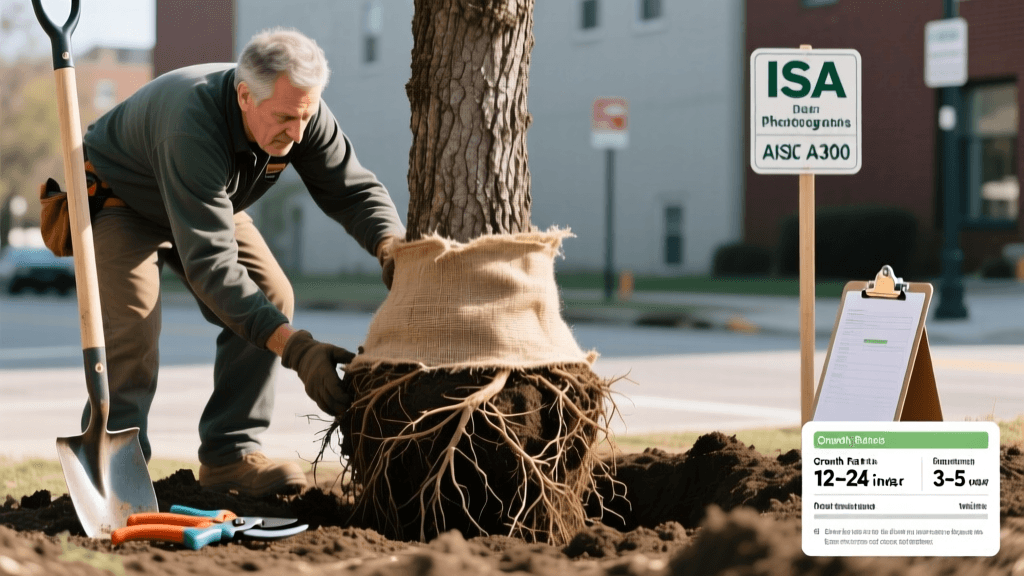
Planting Technique: When planting a balled-and-burlapped or container-grown birch, dig a hole that is two to three times as wide as the root ball, but no deeper. The root flare (where the trunk widens at the base) must sit slightly above the surrounding soil grade. Planting too deeply is a fatal mistake that invites trunk rot & girdling roots. Backfill with native soil, water thoroughly to eliminate air pockets, & immediately apply a thick layer of mulch.
Essential Birch Tree Care: Watering, Mulching, & Fertilizing
Once your tree is in the ground, establishing a rigorous maintenance routine is the key to preventing stress. A stressed birch tree emits chemical signals that attract destructive pests, making proactive care a matter of survival for the tree.
The Importance of Deep Watering
Birches are notoriously thirsty trees. Because their roots reside in the top few inches of the soil profile, they are the first to suffer during dry spells. Shallow, frequent sprinkling is detrimental; it encourages roots to stay near the surface where they are vulnerable to temperature fluctuations. Instead, practice deep, infrequent watering. Use a soaker hose or a slow-dripping garden hose placed at the drip line (the outer edge of the canopy) to allow water to penetrate deeply into the soil. For a detailed breakdown of how to balance tree hydration with turfgrass needs, review our comprehensive watering schedule guide.
Mulching: The Ultimate Root Protector
If there is one non-negotiable rule of birch tree care, it is this: never let the root zone dry out or bake in the sun. A wide, thick ring of organic mulch is the best defense. Apply a 3-to-4-inch layer of shredded bark, wood chips, or pine needles extending from the base of the trunk out to the drip line. This mimics the natural forest floor, retaining soil moisture, regulating soil temperature, & suppressing water-stealing weeds. Be careful to keep the mulch a few inches away from the actual trunk to prevent "mulch volcanoes," which cause bark decay. Learn more about proper application techniques in our mulching basics tutorial.
Fertilizing Wisely
Unlike heavy-feeding fruit trees, birches generally do not require frequent fertilization if they are planted in healthy, organically rich soil. Over-fertilizing, particularly with high-nitrogen synthetic fertilizers, can actually harm the tree by forcing rapid, weak growth that is highly susceptible to pest attacks. If a soil test indicates a nutrient deficiency, apply a slow-release, balanced fertilizer in the early spring. Avoid fertilizing in late summer or fall, as this stimulates new growth that will not harden off before winter freezes.
Pruning & Training: Timing is Everything
Pruning a birch tree requires a strategic approach that differs significantly from other landscape trees like maples or oaks. The primary goal of pruning is to remove dead, diseased, or crossing branches, improve structural integrity, & maintain a healthy canopy. However, when you prune is far more critical than how you prune.
The Danger of Spring Pruning: Birch trees are known as "bleeders." If you cut into a birch in late winter or early spring while the sap is rising, the tree will exude copious amounts of sap from the wounds. While this sap loss rarely kills the tree, it is unsightly & wastes the tree's stored energy. More importantly, pruning in spring or early summer leaves fresh, open wounds that emit volatile compounds attracting the Bronze Birch Borer, a lethal pest that we will discuss shortly.
The Ideal Pruning Window: The absolute best time to prune a birch tree is in late summer to early fall (typically August through October, depending on your climate). During this window, the sap flow has slowed significantly, minimizing bleeding. Furthermore, the adult Bronze Birch Borer is no longer active & laying eggs, drastically reducing the risk of infestation through pruning wounds.
Proper Pruning Technique: Always use sharp, sterilized bypass pruners or pruning saws. When removing a large branch, utilize the three-cut method to prevent the bark from tearing down the trunk. First, make a shallow undercut a few inches from the branch collar. Second, cut completely through the branch a few inches further out to remove the weight. Finally, make a clean, precise cut just outside the branch collar to allow the tree to compartmentalize & heal the wound properly. Never apply pruning paint or sealants, as these trap moisture & promote fungal decay.
Identifying & Managing Common Birch Tree Pests & Diseases
Birch trees are magnets for specific pests & pathogens, most of which target trees that are already under environmental stress. Vigilance & early intervention are your best tools for preservation.
The Bronze Birch Borer (BBB)
The Bronze Birch Borer (Agrilus anxius) is the most devastating pest facing North American birch trees. This native beetle targets stressed, weakened, or dying birches. The adult beetles feed on the foliage, causing minor damage, but the real threat lies beneath the bark. The females lay eggs in bark crevices, & the hatching larvae tunnel into the cambium layer, girdling the tree & cutting off the flow of water & nutrients.
Symptoms: The first sign of BBB is usually a sparse, yellowing canopy at the very top of the tree, while the lower branches remain green. As the infestation progresses, dieback moves downward. Look closely at the trunk for D-shaped exit holes & serpentine ridges under the bark caused by larval tunnels.
Prevention & Treatment: Prevention is the only reliable strategy. Keep your tree vigorously growing through deep watering & mulching. Avoid planting susceptible species (like Paper or European White Birch) in hot, dry, or urban environments. If a tree is already infested, systemic insecticides containing imidacloprid or dinotefuran can be applied as a soil drench by a licensed professional, but treatment must begin before severe canopy dieback occurs.
Birch Leafminer
The Birch Leafminer is a small sawfly whose larvae tunnel inside the leaves, creating unsightly brown, blotchy patches. While severe infestations can cause premature leaf drop & weaken the tree over time, leafminers rarely kill a mature birch outright. Maintaining tree vigor through proper watering usually allows the tree to withstand leafminer damage. In severe cases, systemic insecticides applied in early spring as the leaves emerge can provide control.
Fungal Diseases & Cankers
Birch trees can suffer from various fungal issues, including leaf spot diseases & stem cankers. Cankers appear as sunken, discolored, & often oozing areas on the trunk or branches. They typically enter through pruning wounds or bark damage from lawnmowers & string trimmers. To prevent fungal issues, always sterilize pruning tools, avoid wounding the trunk, & ensure adequate air circulation within the canopy. Raking & destroying fallen leaves in the autumn can also reduce the overwintering spores of leaf spot fungi.
Seasonal Birch Tree Care Calendar
To keep your birch tree thriving year-round, adapt your maintenance routine to the changing seasons.
- Spring: Inspect the canopy for winter damage & signs of early leafminer activity. Refresh the mulch ring if it has decomposed over the winter, ensuring it remains 3 to 4 inches deep. Begin your deep watering schedule as soon as the ground thaws & new growth emerges. This is also the time to apply pre-emergent herbicides carefully around the drip line, ensuring they are safe for shallow tree roots.
- Summer: This is the most critical season for birch care. Monitor soil moisture religiously. During periods of drought, provide deep, slow watering at least once a week. Do not prune during the summer months. Watch for the telltale yellowing at the top of the canopy that indicates Bronze Birch Borer activity.
- Fall: Late summer & early fall is the optimal window for structural pruning. Rake up fallen leaves to minimize fungal spore carryover. If a soil test indicates a need for nutrients, apply a slow-release, low-nitrogen fertilizer. Continue watering deeply until the ground freezes to ensure the tree enters winter fully hydrated.
- Winter: Protect young, thin-barked birches from "sunscald" & frost cracking by wrapping the lower trunk with a commercial tree guard or white plastic wrap. Remove the wrap in early spring to prevent trapping moisture & harboring insects. Winter is also an excellent time to inspect the bare branching structure for crossing limbs or weak crotches that will need attention the following fall.
Frequently Asked Questions About Birch Tree Care
Why is my birch tree dropping leaves in the middle of summer?
Summer leaf drop in birch trees is almost always a symptom of water stress. Because birches possess incredibly shallow root systems, they are highly sensitive to heat & drought. When the tree cannot draw enough moisture from the soil to support its entire canopy, it will abort older, interior leaves to conserve water & protect its vital outer growth. If you notice summer leaf drop, immediately implement a deep, slow-watering regimen using a soaker hose at the drip line, & verify that your mulch layer is thick enough to retain soil moisture.
How long do birch trees typically live in a residential landscape?
In their natural, ideal forest habitats, some birch species can live for over a century. However, in a residential landscape setting, their lifespan is often significantly reduced due to environmental stressors like compacted soil, heat reflection from pavement, & competition with turfgrass. A well-cared-for River Birch can easily live 50 to 75 years in a yard, while a stressed Paper Birch in a warm climate might succumb to borers in just 15 to 20 years. Maximizing their lifespan requires strict adherence to proper watering, mulching, & pest prevention protocols.
Can I grow a healthy lawn under the canopy of a birch tree?
Growing traditional turfgrass under a birch tree is highly discouraged & is a primary reason these trees fail in suburban yards. Turfgrass is a fierce competitor for water & nutrients, & it will easily outcompete the shallow birch roots, leading to chronic tree stress. Furthermore, maintaining the lawn requires mowing & string-trimming, which frequently results in accidental damage to the tree's surface roots & trunk. Instead of grass, extend a wide mulch ring under the entire drip line & plant shade-tolerant, shallow-rooted groundcovers. If you must have grass in the general vicinity, consult our guide on selecting the best shade-tolerant grass varieties to minimize competition.
How do I stop my birch tree from bleeding sap after pruning?
If your birch tree is "bleeding" copious amounts of clear sap from pruning cuts, it means you pruned during the active sap-flow period (late winter or spring). Unfortunately, you cannot stop the bleeding once it has started, & applying wound dressings or sealants will only trap moisture & invite rot. The bleeding is mostly cosmetic & will stop naturally on its own once the tree's internal pressure equalizes. To prevent this entirely in the future, restrict all pruning activities to late summer & early fall when the tree is dormant & sap flow is minimal.
What is the best fertilizer for birch trees?
Birch trees do not require heavy fertilization. If a soil test confirms a nutrient deficiency, the best fertilizer is a slow-release, balanced formula (such as a 10-10-10 or 12-12-12 NPK ratio) or an organic alternative like composted manure or specialized tree spikes. Avoid high-nitrogen lawn fertilizers that may wash into the tree's root zone, as excessive nitrogen forces rapid, weak growth that attracts the Bronze Birch Borer. Always apply fertilizer in the early spring or late fall, & water it in thoroughly to prevent root burn.
By understanding the unique biological needs of the Betula genus & committing to a proactive, seasonal care routine, you can ensure your birch trees remain a breathtaking, healthy focal point in your landscape for decades to come. For more expert advice on maintaining a harmonious yard, explore our extensive library of lawn care guides & tree maintenance resources.