Pest Control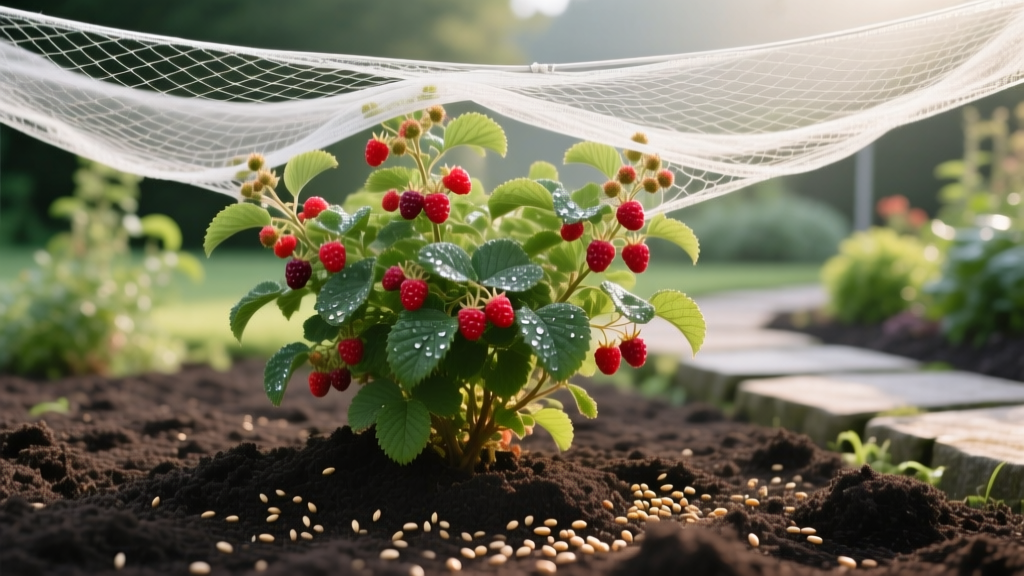
Bird Netting and Aeration for Berry Bushes in 2026
Mike RodriguezPublished
The 2026 Integrated Approach to Berry Bush Protection
In 2026, integrated pest management (IPM) for home orchards and berry patches has evolved far beyond simply throwing a plastic mesh over your plants. Today's leading horticulturists recognize that true pest control begins in the soil. While bird netting installation for berry bush protection remains the gold standard for defending your harvest from avian foragers, combining this physical barrier with strategic soil aeration and beneficial ground cover seeding creates a holistic defense system. Compacted soil stresses berry bushes, making them susceptible to root-feeding pests and fungal diseases, while bare soil invites weeds that harbor destructive insects. By integrating aeration and seeding into your netting preparation, you ensure a robust, high-yielding berry patch that naturally deters a wide spectrum of pests.
Step 1: Aerating the Soil Around Your Berry Bushes
Before you construct your netting frames, you must address the soil health around your berry bushes. Over time, foot traffic from harvesting, heavy rains, and natural settling cause soil compaction. Compacted soil restricts oxygen flow to the roots, stressing the plant. Stressed blueberry, raspberry, and blackberry bushes emit specific volatile organic compounds (VOCs) that actually attract sap-sucking insects and cane borers. Aeration disrupts this pest-attracting cycle.
Tools and Techniques for 2026
For the 2026 growing season, avoid using spike aerators around berry bushes, as they can cause further lateral compaction in heavy clay soils. Instead, opt for core aeration or manual broadforking.
- Manual Broadforking: Insert a broadfork 6 to 8 inches deep, starting at least 18 inches away from the main crown of the bush to avoid severing primary structural roots. Gently rock the tool back to fracture the soil and allow air penetration.
- Lightweight Core Aerators: For larger berry patches, modern battery-powered walk-behind core aerators (which have seen significant weight reductions and battery life improvements in 2026) can efficiently pull 2-inch soil plugs without damaging the shallow feeder roots of brambles.
- Topdressing: After aerating, rake a thin layer of acidic compost or pine bark fines into the aeration holes to improve long-term drainage and soil biology.
Step 2: Seeding Beneficial Ground Covers for Pest Deterrence
Once the soil is aerated, the next step in our IPM strategy is seeding a beneficial ground cover. Bare soil around berry bushes is an invitation for weeds, which compete for nutrients and serve as overwintering habitats for pests like the spotted wing drosophila and various leafhoppers. According to the University of Minnesota Extension, establishing a living mulch like white clover or creeping thyme provides numerous ecological benefits, including nitrogen fixation and habitat for predatory ground beetles that consume pest larvae.
Seeding Strategy and Timing
To successfully establish a ground cover beneath and around your future bird netting frames, follow these 2026 best practices:
- Select the Right Seed: Dutch white clover is highly recommended for berry patches. It stays low (under 6 inches), tolerates light foot traffic during harvest, and thrives in the partial shade cast by the berry canopy and netting.
- Seeding Rates: Apply white clover seed at a rate of 2 to 3 pounds per 1,000 square feet. Mix the seed with a carrier like sand to ensure even distribution over the aerated soil.
- Timing: Seed in early spring just as the berry bushes break dormancy, or in early fall after the harvest is complete and the netting has been temporarily removed for winterization.
For a comprehensive list of species that improve soil health and deter pests, the USDA NRCS Cover Crop Species Guide is an invaluable resource for selecting the right cultivar for your specific hardiness zone.
Step 3: Bird Netting Installation for Berry Bushes
With the soil aerated and the beneficial ground cover seeded, it is time to focus on the primary pest control barrier: the bird netting. Birds can decimate a berry crop in a matter of days. As noted by the Michigan State University Extension, properly installed netting is the most effective and environmentally sound method for protecting fruit from avian damage, provided it is managed correctly to avoid trapping wildlife.
Choosing the Right 2026 Netting Materials
The netting industry has advanced significantly. In 2026, avoid cheap, extruded plastic netting that degrades under UV light and easily tangles, posing a hazard to local wildlife. Instead, invest in UV-stabilized, knitted polypropylene netting. Knitted netting will not unravel if snagged or cut, making installation and seasonal removal vastly easier.
- Mesh Size: A 1/2-inch to 3/4-inch mesh is standard. This size excludes starlings, robins, and finches while allowing adequate sunlight and rain penetration.
- Color: Black or dark green netting is preferred in 2026, as it blends into the garden landscape, reduces glare, and is highly visible to birds, preventing accidental collisions.
Frame Construction and Securing the Perimeter
Never drape netting directly over the berry bushes. This leads to fruit growing through the mesh, making harvest difficult and trapping birds against the foliage. Instead, build a supportive frame.
- Frame Materials: Schedule 40 PVC pipes with cross-connectors are lightweight and easy to assemble. For a more permanent 2026 setup, galvanized steel conduit frames offer superior wind resistance and longevity.
- Clearance: Ensure the frame provides at least 12 to 18 inches of clearance on all sides of the bush canopy to allow for air circulation and new cane growth.
- Securing the Base: This is the most critical step for pest exclusion. Bury the edges of the netting 3 inches into your newly seeded ground cover, or secure it tightly to the ground using heavy-duty landscape staples every 12 inches. If gaps are left at the base, birds, rodents, and ground-dwelling pests will easily find their way inside.
2026 Netting and Ground Cover Compatibility Chart
To help you plan your integrated pest control and soil management strategy, refer to the compatibility chart below:
| Berry Type | Recommended Netting Mesh | Best Ground Cover Seed | Primary Pest Targeted |
|---|---|---|---|
| Blueberries | 1/2-inch Knitted Poly | Dutch White Clover | Robins, Starlings, Japanese Beetles |
| Raspberries | 3/4-inch Knitted Poly | Creeping Thyme | Finches, Spotted Wing Drosophila |
| Blackberries | 1/2-inch Knitted Poly | Micro-Clover Blend | Cedar Waxwings, Cane Borers |
| Strawberries | 1/2-inch Knitted Poly | White Clover (Inter-row) | Sparrows, Slugs, Sap Beetles |
Seasonal Maintenance and IPM Strategies
Maintaining your bird netting and the underlying aerated, seeded soil requires a seasonal routine to ensure long-term pest control success.
Post-Harvest and Winterization
Once the 2026 harvest is complete, remove the bird netting. Leaving it up year-round exposes it to harsh winter weather, reducing its lifespan, and increases the risk of trapping overwintering birds or small mammals. Clean the netting with a mild soap solution, let it dry completely, and store it in a UV-proof bin. With the netting removed, inspect your ground cover. Overseed any bare patches that may have developed due to heavy foot traffic during harvest, utilizing the aeration holes to ensure good seed-to-soil contact.
Spring Pollinator Considerations
Timing your netting installation is crucial for pollinator health. Do not install bird netting until the berry bushes have finished blooming and the initial fruit set has begun. Installing netting too early will exclude essential native bees and honeybees, resulting in poor fruit development and misshapen berries. By combining timely netting installation with a soil foundation built on aeration and beneficial seeding, you create a thriving, pest-resistant ecosystem that will yield abundant, pristine berries for years to come.