Pest Control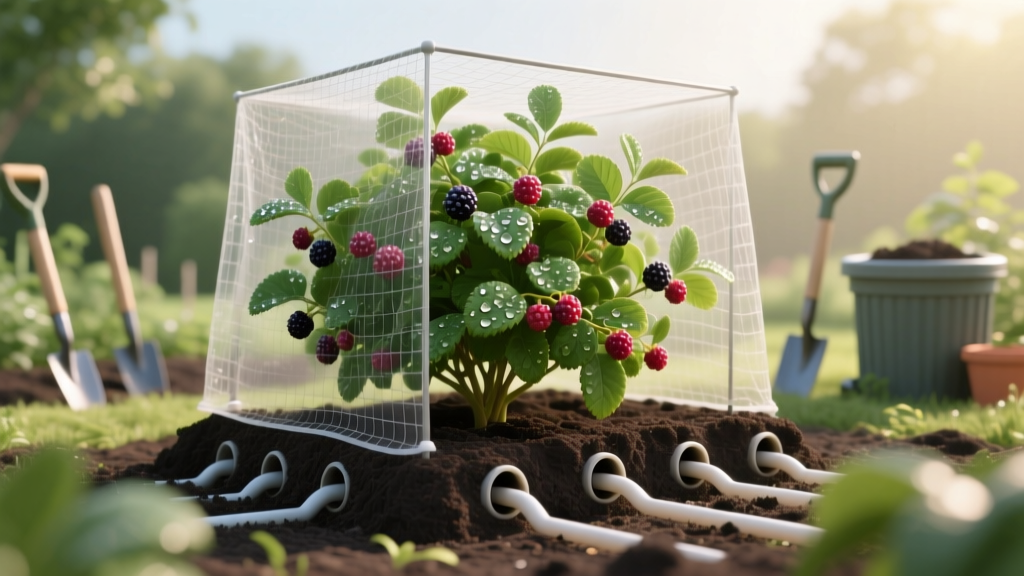
2026 Bird Netting & Core Aeration Berry Bush Guide
David ParkPublished
The 2026 Holistic Approach to Avian Pest Management
As we navigate the 2026 growing season, home gardeners and small-scale orchardists are increasingly recognizing that effective pest control extends far beyond simple chemical sprays or physical barriers. When it comes to protecting high-value crops like blueberries, raspberries, and blackberries, a multi-layered Integrated Pest Management (IPM) strategy is essential. While bird netting remains the gold standard for physical exclusion, an often-overlooked cultural practice—core aeration of the surrounding lawn and garden perimeters—plays a critical role in reducing the environmental pressures that attract avian and insect pests to your berry patches in the first place.
Berry bushes are notoriously shallow-rooted and highly susceptible to both environmental stress and opportunistic foragers. Starlings, robins, and cedar waxwings can decimate a ripe blueberry crop in a matter of hours. However, simply throwing a net over a bush is only half the battle. If the soil surrounding your berry patch is heavily compacted, you are inadvertently creating a secondary pest magnet. By combining premium bird netting installation with strategic core aeration, you can create a robust, uninviting environment for pests while promoting the vigorous root growth necessary for record-breaking yields in 2026.
The Hidden Pest Link: Soil Compaction and Foraging Birds
Why does core aeration matter in a conversation about bird netting and berry bush protection? The answer lies in soil ecology and the foraging habits of common lawn and garden birds. Compacted soil suffers from poor drainage, reduced oxygen flow, and a depleted microbiome. This stress weakens your berry bushes, making them more susceptible to secondary insect infestations, such as aphids and spider mites. These insects emit distress signals that attract insectivorous birds, which may then stick around to sample your ripening fruit.
Furthermore, compacted lawns surrounding garden beds often harbor shallow-dwelling grubs and soil-dwelling larvae. Flocks of foraging birds, particularly robins and starlings, will tear through the topsoil and mulch around your berry bushes searching for these grubs. In the process, they severely damage the shallow, fibrous root systems of your berry plants, leading to stunted growth and reduced fruit production. According to the EPA's Integrated Pest Management principles, modifying the habitat to make it less hospitable to pests is a foundational pillar of IPM. Core aeration alleviates soil compaction, encourages deep-rooting turfgrass that outcompetes weeds, and drives grub populations deeper into the soil profile where they are less accessible to surface-foraging birds.
Selecting the Right Bird Netting for 2026
The bird netting market has evolved significantly, with 2026 models offering superior UV resistance, lighter weights, and higher tensile strength. When selecting netting for berry bushes, avoid cheap, extruded plastic nets that fray easily and trap beneficial pollinators or small birds. Instead, opt for the following specifications:
- Material: UV-stabilized, knitted polyethylene. Knitted nets will not unravel if cut and are much easier to drape over frames.
- Mesh Size: A 5/8-inch to 3/4-inch mesh is ideal. This size excludes small finches and sparrows while allowing adequate airflow and sunlight penetration, which is vital for preventing fungal diseases like Botrytis fruit rot.
- Color: Black or dark green netting is preferred in 2026, as it blends into the garden landscape, resists UV degradation better than lighter colors, and is highly visible to larger birds, preventing accidental collisions.
How to Core Aerate Around Berry Bushes
Core aeration involves using a machine to extract small plugs of soil (typically 2 to 3 inches deep and 0.5 to 0.75 inches in diameter) from the ground. Because berry bushes have shallow, easily damaged root crowns, you must exercise precision when aerating their perimeters.
Step-by-Step Aeration Protocol
- Define the Safe Zone: Mark a 12-to-18-inch radius around the base of your berry bushes. Do not aerate inside this circle to avoid severing the primary root crown.
- Target the Perimeter and Surrounding Lawn: Use a walk-behind core aerator to punch holes in the soil from the edge of the safe zone out into the surrounding lawn or garden pathways. This improves water infiltration and reduces the surface runoff that causes berry root rot.
- Timing is Everything: For cool-season lawns surrounding your berry patch, aerate in early fall or early spring. For the immediate berry bush drip-line (just outside the safe zone), early spring before bud break is optimal.
- Top-Dress and Overseed: After aerating, top-dress the area with a thin layer of compost and overseed bare patches. A dense, healthy turf acts as a physical barrier against weeds and reduces the muddy conditions that attract certain ground-foraging pests.
For detailed guidance on maintaining soil structure and turf health, resources like Penn State Extension's lawn aeration guidelines provide excellent baseline metrics for managing soil compaction in mixed-use landscapes.
Step-by-Step Bird Netting Installation
Once your soil is properly aerated and the surrounding turf is healthy, it is time to install the physical barrier. Never drape netting directly over the bushes, as new growth will weave through the mesh, making removal a nightmare and potentially damaging the plant.
1. Build a Support Frame
Construct a simple frame using 1/2-inch PVC pipes or heavy-duty fiberglass hoops. For a standard 4x4 foot highbush blueberry planting, drive four 2-foot rebar stakes into the ground (safely outside your aerated root zone) and slip 6-foot PVC pipes over them. Connect the tops with PVC cross-joints to create a box frame.
2. Drape the Netting
Unroll your UV-stabilized knitted polyethylene netting and drape it evenly over the frame. Ensure there is at least 6 inches of excess material resting on the ground on all sides.
3. Secure the Perimeter
This is where your aeration strategy intersects with netting. To secure the netting, use 6-inch landscape staple pins. Because you have previously core-aerated the surrounding soil, the ground will be softer and easier to penetrate, allowing the staples to seat deeply without bending. Ensure the bottom edge is pinned every 12 inches to prevent ground-dwelling pests like rabbits or raccoons from crawling underneath.
4. Create an Access Door
For larger frames, use heavy-duty binder clips or specialized netting zippers to create an access panel. This allows you to enter the enclosure for pruning, harvesting, and monitoring plant health without dismantling the entire system.
2026 Seasonal IPM Calendar for Berry Bushes
Integrating core aeration and bird netting requires careful timing to maximize plant health and pest exclusion. Below is the recommended 2026 schedule for temperate climate zones:
| Season | Cultural Practice (Core Aeration & Soil) | Physical Control (Bird Netting) |
|---|---|---|
| Early Spring | Core aerate surrounding lawn and perimeter drip-line. Apply compost top-dressing. | Inspect frames and netting for winter damage. Repair tears with UV-resistant tape. |
| Late Spring (Pre-Bloom) | Ensure proper drainage in aerated zones. Monitor for early insect pests. | Install netting over frames just as fruit begins to form and change color. |
| Summer | Mow surrounding aerated turf regularly to eliminate pest hiding spots. | Check perimeter staples weekly. Harvest fruit through access panels. |
| Early Fall | Perform secondary core aeration on cool-season surrounding lawns. Overseed bare spots. | Remove netting, clean with a mild bleach solution, and store in a dry, rodent-free location. |
| Late Fall | Apply winter mulch inside the 12-inch safe zone (avoiding the aerated turf). | Disassemble PVC frames if heavy snow loads are expected in your region. |
Sourcing and Cost Expectations for 2026
Budgeting for an integrated physical and cultural pest control system is a wise investment that pays dividends in fruit yield and plant longevity. In 2026, premium UV-treated knitted polyethylene bird netting costs approximately $0.15 to $0.25 per square foot. For a standard 10x10 foot enclosure, expect to spend around $25 to $35 on high-quality netting. PVC framing materials will add another $40 to $60 depending on local hardware store pricing.
For core aeration, renting a walk-behind aerator typically costs between $80 and $100 per day. Since you will likely be aerating the entire lawn and multiple garden perimeters, splitting this rental cost across your entire landscape maintenance budget makes it highly cost-effective. If you have a small urban yard, manual core aerator foot-plates can be purchased for around $30 to $45, though they require significant physical effort.
Conclusion: A Unified Defense Strategy
Protecting your berry bushes from avian pests in 2026 requires more than just a physical barrier; it demands a holistic approach to landscape health. By utilizing premium bird netting to exclude foraging flocks and employing core aeration to eliminate the soil compaction that attracts secondary pests and damages shallow roots, you are practicing true Integrated Pest Management. This dual strategy not only safeguards your current harvest but also ensures your berry bushes remain vigorous, deeply rooted, and productive for years to come. For more localized advice on managing wildlife interactions in the garden, always consult your local university extension office, such as the comprehensive guides provided by University of Minnesota Extension on protecting fruit from birds.