Lawn Care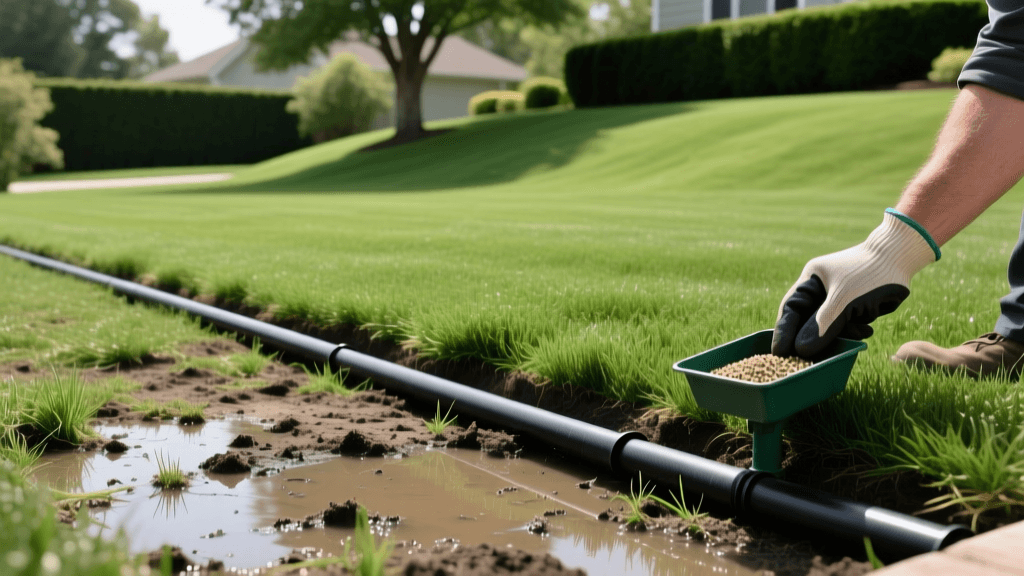
Fix Lawn Thin Spots: Drainage Pipe & Black Beauty Seed 2026
The Hydrology-First Approach: Why Drainage Precedes Seed
As we navigate the 2026 lawn care season, homeowners are increasingly frustrated by stubborn, muddy thin spots that refuse to grow grass, regardless of how much fertilizer or seed is applied. From the perspective of landscape drainage infrastructure, the truth is simple: a seed is only as good as the soil hydrology it sits in. If your lawn suffers from subsurface water pooling, compacted clay, or poor grading, throwing seed on top of a waterlogged zone is a waste of time and money. The anaerobic conditions created by standing water suffocate turfgrass roots, invite fungal pathogens, and prevent seed germination.
To achieve a pristine, dark-green lawn this year, we must adopt a hydrology-first approach. This means diagnosing the drainage failure, installing a targeted landscape drainage pipe to permanently redirect excess water, and only then overseeding the repaired zone with a premium, deep-rooting turfgrass like Jonathan Green Black Beauty Original. By fixing the subterranean water flow first, you create the perfect aerobic soil environment for Black Beauty's famous four-foot-deep root system to thrive.
Diagnosing Subsurface Water Issues in Thin Spots
Before picking up a shovel, confirm that your thin spots are indeed caused by poor drainage. According to turfgrass experts at the University of Nebraska-Lincoln Turfgrass Science program, chronic wet soil manifests in several distinct ways:
- Prolonged Pooling: Water remains on the surface for more than 12 hours after a heavy rainstorm or irrigation cycle.
- Moss and Algae: Thin spots are colonized by moss, algae, or liverworts, which thrive in compacted, constantly moist soil.
- Yellowing Turf: Existing grass around the thin spot exhibits chlorosis (yellowing) due to oxygen deprivation in the root zone.
- Soil Compaction: The soil feels like hard putty when dry and turns into a slick, sticky mess when wet, indicating heavy clay content and poor percolation.
The Root Fix: Installing a Landscape Drainage Pipe
To permanently eliminate the waterlogged thin spot, you must install a landscape drainage pipe—specifically, a French drain system using corrugated, perforated HDPE (High-Density Polyethylene) or rigid PVC pipe. This infrastructure will intercept subsurface water and carry it away from the problem area.
Step-by-Step Drainage Trenching
- Map the Route: Identify the lowest point of the thin spot and chart a path to a suitable discharge area (e.g., a storm drain, dry well, or lower-elevation swale). Ensure you maintain a minimum slope of 1 inch per 8 feet (a 1% grade).
- Excavate the Trench: Dig a trench 12 to 18 inches deep and 8 to 10 inches wide through the center of the thin spot. Call your local utility locating service (like 811 in the US) before digging.
- Line with Fabric: Drape a high-quality, non-woven geotextile landscape fabric into the trench, leaving excess fabric hanging over the edges. This prevents soil and silt from clogging your pipe over the decades.
- Add a Gravel Base: Pour 2 to 3 inches of washed, angular drainage gravel (typically 3/4-inch crushed stone) into the bottom of the fabric-lined trench.
- Lay the Pipe: Place the perforated landscape drainage pipe on top of the gravel. Ensure the perforations face downward; this allows water to enter the pipe from the bottom up, preventing premature clogging.
- Bury and Wrap: Cover the pipe with more washed gravel until it is 3 inches below the soil surface. Fold the excess landscape fabric over the top of the gravel to create a 'gravel burrito'.
- Backfill: Top the trench with native soil or a sandy loam mix, leaving the top 2 inches for topsoil and compost to prepare for seeding.
Soil Restoration After Trenching
The trenching process disrupts the soil profile. Before overseeding, you must restore the soil biology and structure. The Penn State Extension Lawn Care guidelines emphasize the importance of organic matter in newly disturbed soils. Spread a half-inch layer of premium screened compost over the entire repaired zone, including the surrounding thin spots. Core aerate the surrounding compacted areas to integrate the compost and relieve any lateral compaction caused by the heavy foot traffic during the pipe installation.
Why Jonathan Green Black Beauty Seed for 2026?
Now that the hydrology is fixed and the soil is primed, it is time to select the right seed. For overseeding thin spots over newly installed drainage zones, we highly recommend Jonathan Green Black Beauty seed. Unlike standard Kentucky Bluegrass or generic contractor mixes, Black Beauty utilizes advanced turf-type tall fescue genetics that are perfectly suited for variable soil conditions.
Black Beauty grass features an invisible waxy leaf coating that retains moisture and protects against heat stress—a vital trait for the well-drained, slightly elevated soil directly above a French drain. Furthermore, the seed contains beneficial endophytes, natural fungi that live inside the grass plant and deter surface-feeding insects like chinch bugs and sod webworms. Most importantly, its roots can grow up to four feet deep, anchoring the soil above your drainage pipe and preventing future erosion or settling.
2026 Turfgrass Comparison Chart
| Seed Variety | Root Depth | Drought Tolerance | Shade Tolerance | Best Use Case |
|---|---|---|---|---|
| Jonathan Green Black Beauty Ultra | Up to 4 Feet | Excellent | Very Good | Overseeding repaired drainage zones and high-stress thin spots. |
| Standard Contractor Mix | 6 - 12 Inches | Poor | Moderate | Quick, cheap cover on new construction sites (not recommended). |
| Kentucky Bluegrass | 8 - 14 Inches | Moderate | Poor | Sunny, well-irrigated lawns; struggles in fluctuating moisture zones. |
| Perennial Ryegrass | 4 - 8 Inches | Poor | Moderate | Temporary erosion control; lacks deep roots for long-term soil stability. |
Step-by-Step Overseeding Execution
With your landscape drainage pipe safely buried and the soil prepped, follow this precise overseeding protocol for the 2026 season:
- Mow Low: Scalp the existing thin grass down to 1.5 inches. This ensures the Black Beauty seed makes direct contact with the soil rather than getting trapped in dead thatch.
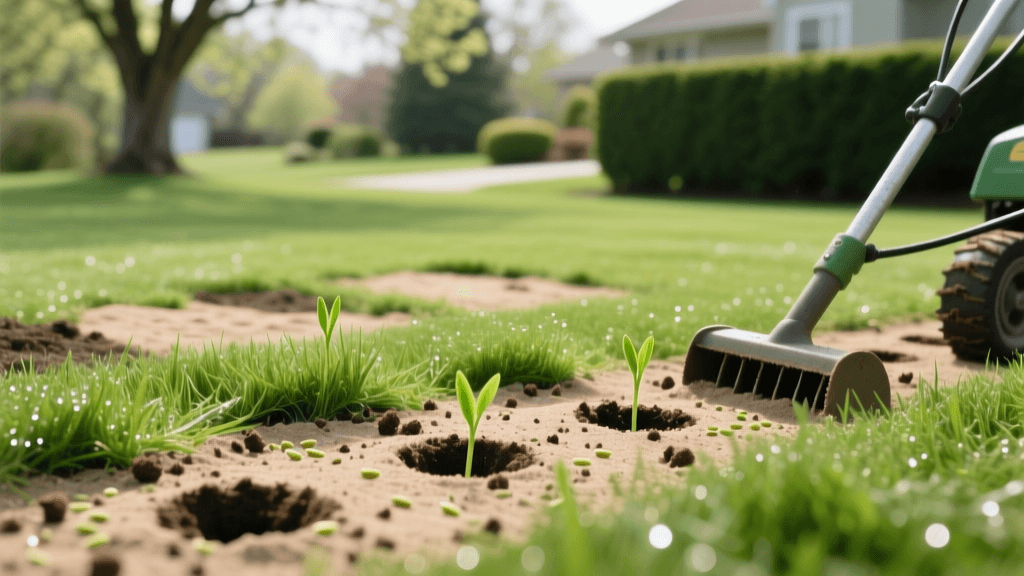
- Rake and Debris Removal: Vigorously rake the thin spots to expose the soil and remove any dead organic matter.
- Apply Starter Fertilizer: Use a high-phosphorus starter fertilizer (e.g., 18-24-6) to promote rapid root development into the newly amended soil above the drainage pipe.
- Spread the Seed: Using a rotary spreader, apply Jonathan Green Black Beauty Ultra at a rate of 8 to 10 pounds per 1,000 square feet for overseeding. For bare patches directly over the trench, increase the rate to 12 pounds per 1,000 square feet.
- Top Dress and Roll: Lightly top-dress the seed with 1/8 inch of peat moss or compost to retain moisture. Use a lightweight lawn roller to press the seed firmly into the soil.
Watering Strategy Over Drainage Zones
Watering an area with a newly installed landscape drainage pipe requires a nuanced approach. Because the pipe is actively wicking away excess subsurface water, the top two inches of soil (where the seed resides) can dry out faster than the surrounding lawn. For the first 14 to 21 days, water the overseeded thin spots lightly two to three times a day for 5 to 10 minutes. The goal is to keep the seed coat perpetually moist without triggering massive runoff into the drainage system. Once the Black Beauty seedlings reach 2 inches tall, transition to deep, infrequent watering (1 inch per week) to encourage those famous deep roots to chase the moisture down toward the gravel bed.
2026 Material Costs and Budgeting
Budgeting for a hydrology-first lawn repair in 2026 requires accounting for both infrastructure and agronomy. Here is a typical cost breakdown for repairing a 200-square-foot thin spot with a 25-foot drainage run:
- Landscape Drainage Pipe (Corrugated HDPE, 25ft): $35 - $50
- Washed Drainage Gravel (1/2 ton): $40 - $60
- Non-Woven Geotextile Fabric: $25
- Jonathan Green Black Beauty Ultra (3lb bag): $30 - $35
- Starter Fertilizer & Compost: $45
- Total Estimated Cost: $175 - $215
While this is more expensive than simply tossing cheap seed on mud, the infrastructure investment guarantees the thin spot will not return next spring.
Long-Term Maintenance and Monitoring
To ensure the longevity of both your lawn and your subterranean infrastructure, avoid heavy core aeration directly over the shallow drainage pipe to prevent crushing the corrugated walls. Instead, rely on liquid aeration or shallow spike aeration over the trench line. Annually inspect the discharge outlet of your landscape drainage pipe to ensure it is free of debris, rodent nests, or ice dams. By respecting the hydrology of your yard and pairing it with the elite genetics of Jonathan Green Black Beauty, your 2026 lawn will finally be uniformly thick, dark, and resilient against whatever weather the season brings.