Gardening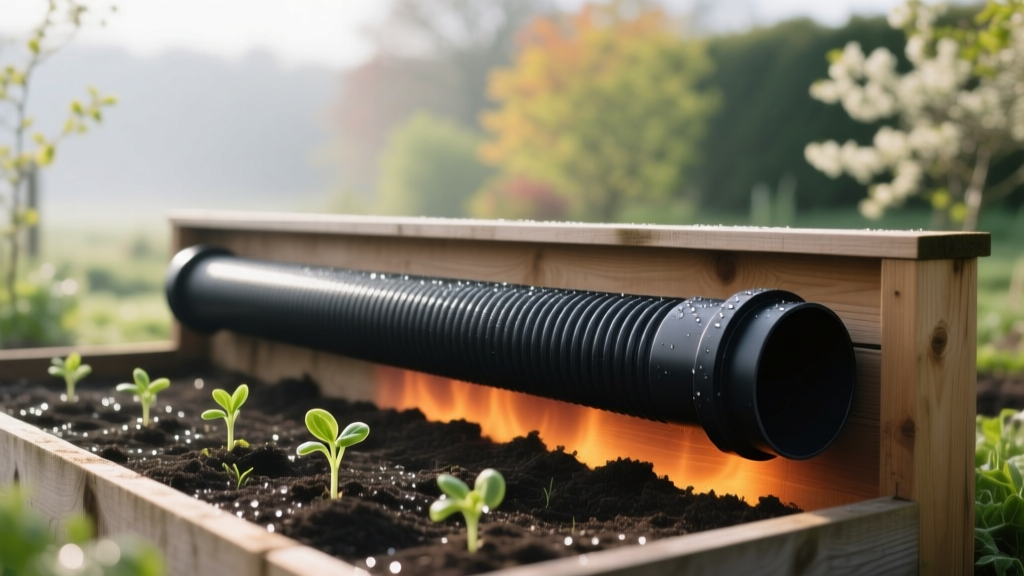
Build Drainage Pipe Cold Frames For 2026 Season Extension
Lisa ThompsonPublished
Mastering the 2026 Shoulder Seasons with Cold Frames
As we navigate the 2026 gardening season, unpredictable spring frosts and early autumn cold snaps continue to challenge home growers. Extending your harvest window is no longer a luxury; it is a necessity for maximizing yield. While traditional cold frames are highly effective, they often suffer from two major flaws: drastic nighttime temperature drops and poor internal drainage. This is where an unconventional gardening hack comes into play. By integrating standard landscape drainage pipe into your cold frame design, you can solve both problems simultaneously, creating a highly regulated microclimate for your cool-weather crops.
The Dual Role of Landscape Drainage Pipe
Most gardeners view corrugated landscape drainage pipe strictly as a tool for moving excess water away from foundations or retaining walls. However, its physical properties—specifically its high volume capacity, flexibility, and durability—make it an incredible asset for season extension structures. We utilize two distinct types of drainage pipe in this advanced cold frame build: solid black pipe for passive solar heating, and perforated pipe for sub-soil moisture management.
1. Solid Black Pipe as Thermal Mass
Water has a remarkably high specific heat capacity, meaning it absorbs and retains heat much longer than soil or air. By utilizing 4-inch or 6-inch solid black corrugated landscape drainage pipe, you can create a massive, flexible thermal battery. When laid along the north and west interior walls of your cold frame and filled with water, the black exterior absorbs solar radiation throughout the day. As the sun sets and the ambient air temperature inside the cold frame plummets, the water inside the pipes slowly releases that stored heat, keeping your plants above freezing even on the coldest 2026 autumn nights.
2. Perforated Pipe for Base Drainage
The enclosed nature of a cold frame can easily lead to waterlogged soil, especially during heavy spring thaws. Soggy soil promotes root rot and fungal diseases like damping-off. By installing a French drain system beneath your cold frame using 4-inch perforated landscape drainage pipe wrapped in geotextile fabric, you ensure that excess irrigation and rainwater immediately wicks away from your crop roots. This dual-pipe approach guarantees that your cold frame is both thermally stable and perfectly drained.
2026 Materials List and Estimated Budget
Building this advanced cold frame is highly cost-effective, especially when compared to commercial polycarbonate greenhouses. Below is the estimated material breakdown for a standard 4-foot by 8-foot cold frame based on 2026 average hardware store pricing.
| Material | Specification | Estimated 2026 Cost |
|---|---|---|
| Solid Corrugated Pipe | 4-inch black, solid (non-perforated), 20 ft | $25.00 |
| Perforated Corrugated Pipe | 4-inch slotted, 10 ft | $12.00 |
| Geotextile Fabric | Landscape fabric roll (drainage wrap) | $15.00 |
| Pipe End Caps | 4-inch snap end caps (qty 4) | $8.00 |
| Cedar Lumber | 2x12 boards for frame (rot-resistant) | $85.00 |
| Twin-Wall Polycarbonate Lid | 4x8 sheet, UV-treated, 8mm thickness | $110.00 |
| Auto-Vent Opener | Wax-cylinder solar vent arm | $35.00 |
Step-by-Step Assembly Instructions
Step 1: Excavation and Base Drainage
Begin by excavating the 4x8 foot footprint to a depth of about 8 inches. Slope the base slightly toward one end to encourage gravity-fed water flow. Wrap your 10-foot section of 4-inch perforated landscape drainage pipe in geotextile fabric to prevent soil infiltration. Lay the wrapped pipe in the center of the trench, ensuring the outlet extends slightly beyond the cold frame footprint to discharge water into your garden bed or a dry well. Backfill over the pipe with 2 inches of washed gravel before adding your premium garden soil mix.
Step 2: Frame Construction
Construct your base frame using rot-resistant cedar or composite lumber. The back wall should be approximately 12 inches high, while the front wall should be 6 inches high, creating a south-facing slope that maximizes solar exposure and allows rain and snow to slide off the polycarbonate lid. Secure the corners with exterior-grade stainless steel brackets to withstand 2026's severe weather events. Ensure the wood is treated with a non-toxic, raw linseed oil finish to protect against moisture without leaching harmful chemicals into your organic vegetable beds. This is especially critical in 2026 as more gardeners prioritize soil health and organic certification standards in their home plots.
Step 3: Installing the Thermal Mass Pipes
Take your 20 feet of 4-inch solid black landscape drainage pipe. Cap one end securely with a snap end cap and seal it with waterproof silicone. Coil or snake the pipe along the interior north and west walls of the cold frame. Using a garden hose, fill the pipe completely with water, squeezing out air pockets as it fills. Once full, cap the top end. The black pipe will now act as a radiant heater, absorbing sunlight and buffering the internal air temperature.
Step 4: Glazing and Automated Ventilation
Attach your twin-wall polycarbonate sheet to the top using aluminum hinge channels. To prevent your cold frame from overheating on sunny spring days, install a wax-cylinder auto-vent opener. These brilliant mechanical devices require no electricity; the wax expands as temperatures rise, automatically pushing the lid open to vent excess heat, and contracts as it cools to seal the frame.
Best Crops for Cold Frame Season Extension
According to the Old Farmer's Almanac, cold frames are ideal for hardy and semi-hardy crops that can tolerate mild fluctuations. With the added thermal mass of the water-filled drainage pipes, you can push these planting windows even further into the winter months.
| Crop Variety | Spring Planting Window | Fall Planting Window | Harvest Notes |
|---|---|---|---|
| Spinach (Bloomsdale) | 4-6 weeks before last frost | 6-8 weeks before first frost | Highly cold-tolerant, sweetens after frost. |
| Kale (Winterbor) | 4 weeks before last frost | 8 weeks before first frost | Survives deep freezes with thermal mass. |
| Carrots (Napoli) | 2 weeks before last frost | 10 weeks before first frost | Act as natural cold-storage in the soil. |
| Mache (Corn Salad) | As soon as soil is workable | 4 weeks before first frost | Thrives in low-light winter conditions. |
Smart Maintenance and Climate Monitoring
University extension programs, such as UMN Extension's season extension guidelines, emphasize the importance of microclimate monitoring. In 2026, integrating a simple Bluetooth temperature and humidity sensor inside your cold frame allows you to track the effectiveness of your drainage pipe thermal mass directly from your smartphone. If you notice nighttime temperatures dipping below your target threshold, you can add an insulating layer of moving blankets or straw bales over the polycarbonate lid.
During heavy snowfalls, the angled polycarbonate lid should shed most accumulation, but always brush off excess snow with a soft broom to prevent structural bowing and to ensure maximum light penetration for your overwintering crops. The black pipes will continue to absorb ambient solar radiation even on overcast days, provided the lid is kept clean and clear of debris. Furthermore, remember to flush the black thermal mass pipes every two years to prevent algae buildup, and inspect the sub-soil perforated drainage pipe outlet annually to ensure it remains clear of debris and rodent nests. By combining the structural utility of landscape drainage pipe with the biology of cool-season crops, you transform a simple wooden box into a high-performance, passive-solar growing machine capable of delivering fresh, homegrown salads well into the snowy months of late 2026 and beyond.
