
Landscaping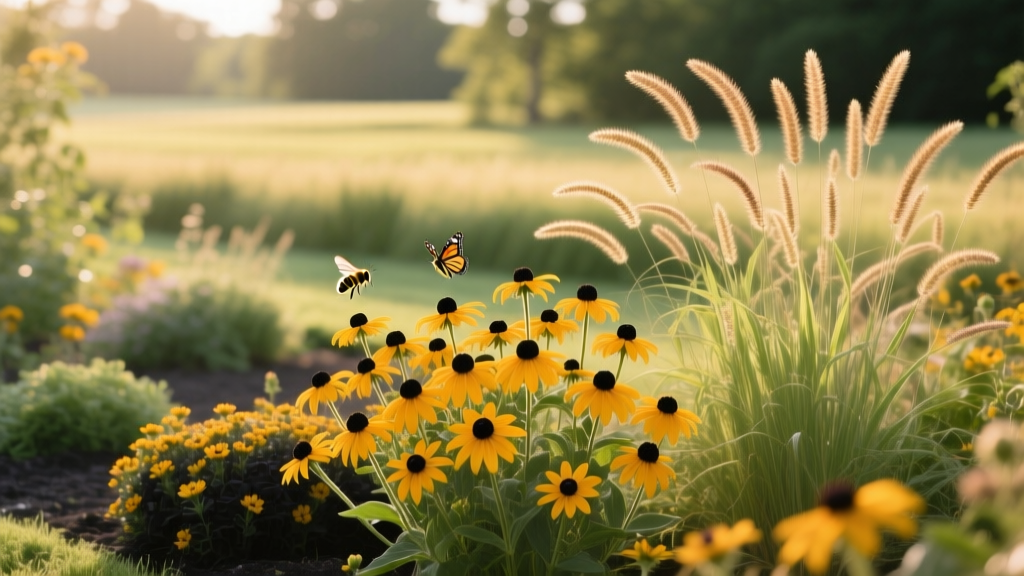
2026 Pollinator Garden Design: Black-Eyed Susan & Switchgrass
Anna KowalskiPublished
The Rise of Ecological Landscaping in 2026
As we navigate the shifting climate zones and increasing ecological awareness of 2026, homeowners and landscape architects alike are fundamentally rethinking the traditional American lawn. The sterile, resource-heavy turfgrass monoculture is rapidly being replaced by dynamic, native plant landscapes that serve a dual purpose: stunning curb appeal and critical ecological support. At the forefront of this movement is pollinator-friendly garden design, a practice that transforms residential yards into vital waypoints for declining bee, butterfly, and bird populations.
When designing a resilient, low-maintenance pollinator garden, few plant combinations are as powerful and reliable as the pairing of Black-Eyed Susan (Rudbeckia hirta) and Switchgrass (Panicum virgatum). Together, these two North American natives create a multi-layered habitat that provides nectar, pollen, host foliage, and overwintering shelter. This comprehensive guide will walk you through the design, installation, and maintenance of a Black-Eyed Susan and Switchgrass pollinator garden tailored for the environmental realities of 2026.
Why Black-Eyed Susan and Switchgrass?
The secret to a successful pollinator garden lies in selecting plants that offer continuous resources throughout the growing season while requiring minimal chemical or hydraulic inputs. This specific duo excels in both metrics.
Black-Eyed Susan: The Nectar Powerhouse
Black-Eyed Susan is a staple in native landscaping for good reason. Blooming profusely from mid-summer well into early autumn, its bright yellow, daisy-like flowers act as a beacon for a vast array of pollinators. According to data highlighted by The Xerces Society for Invertebrate Conservation, native bees, including sweat bees and leafcutter bees, are highly attracted to the accessible pollen and nectar of Rudbeckia species. Furthermore, it serves as a larval host plant for the silvery checkerspot butterfly and the bordered patch butterfly.
Beyond its value to insects, the prominent, dark brown seed heads that develop in late summer provide a crucial late-season food source for foraging goldfinches and chickadees, bridging the gap between the insect-heavy summer and the seed-heavy winter diets of backyard birds.
Switchgrass: Structure, Shelter, and Soil Health
While Black-Eyed Susan provides the floral resources, Switchgrass provides the essential architectural and ecological backbone of the garden bed. As a warm-season perennial bunchgrass, Panicum virgatum grows vigorously in the heat of summer, reaching heights of 3 to 6 feet depending on the cultivar. Its airy, cloud-like panicles bloom in late summer, serving as a host plant for several skipper butterfly species.
However, the true magic of Switchgrass lies beneath the surface and in its winter structure. Its root system can plunge up to 10 feet deep into the soil, making it incredibly drought-tolerant and highly effective at breaking up compacted clay soils and managing stormwater runoff. Above ground, the dense clumps of foliage provide indispensable overwintering shelter for beneficial insects, spiders, and small amphibians. Leaving Switchgrass standing through the winter is a cornerstone of modern, ecologically sound landscape maintenance.
Designing Your Pollinator-Friendly Garden Bed
Designing with native plants requires a shift in perspective. Rather than viewing plants as isolated specimens, ecological design treats them as interlocking communities. In 2026, the "matrix planting" and "drift planting" methods are the industry standards for pollinator gardens.
- Drift Planting: Pollinators forage more efficiently when flowers are grouped together. Plant Black-Eyed Susans in sweeping drifts or clusters of at least five to seven plants. This creates a large visual target for flying insects and maximizes their foraging efficiency.
- Layering and Matrix: Use Switchgrass as the structural backdrop or the foundational matrix. Plant the taller grasses toward the back of the border or in a staggered grid, and interplant the Black-Eyed Susans in the foreground and mid-ground. This mimics natural prairie edges and savannas.
- Bare Soil Patches: Approximately 70% of native bee species are ground-nesting. Avoid covering every inch of your garden bed with thick wood mulch. Leave strategic patches of bare, undisturbed soil to allow mining bees and sweat bees to access the earth for nesting.
Planting Specifications and Spacing Guide
Proper spacing is critical to prevent fungal diseases like powdery mildew, which can occur if air circulation is restricted. The table below outlines the ideal specifications for integrating these two species into your landscape.
| Plant Species | Mature Height | Mature Spread | Spacing (On-Center) | Sun Requirement | Soil Moisture |
|---|---|---|---|---|---|
| Black-Eyed Susan (R. hirta) | 2 - 3 feet | 1 - 1.5 feet | 12 - 18 inches | Full Sun (6+ hrs) | Dry to Medium |
| Switchgrass (P. virgatum) | 3 - 6 feet | 2 - 3 feet | 24 - 36 inches | Full to Part Sun | Dry to Moist |
Step-by-Step Planting Guide for 2026
Successful establishment of native perennials and grasses relies heavily on proper site preparation and planting techniques. Follow these steps to ensure your garden thrives in its first critical year.
1. Site Preparation and Weed Eradication
Before planting, you must eliminate competing invasive weeds and aggressive turfgrass. In 2026, sustainable landscapers heavily favor solarization or the smothering method (using layers of plain cardboard covered by arborist wood chips) over chemical herbicides. Smothering takes about 6 to 8 weeks but preserves the vital soil microbiome that native plants rely on.
2. Soil Assessment and Mycorrhizal Inoculation
Contrary to traditional gardening advice, do not amend native garden beds with rich compost or synthetic fertilizers. Black-Eyed Susans and Switchgrass are adapted to lean, relatively poor soils. Over-fertilizing will cause Switchgrass to flop over and will encourage aggressive weeds. Instead, focus on soil biology. Dust the roots of your transplants with a native mycorrhizal fungi inoculant at the time of planting. As noted by the National Wildlife Federation's Garden for Wildlife program, healthy fungal networks are essential for the deep root establishment of prairie grasses.
3. Planting and Initial Watering
Dig holes twice as wide as the nursery pot but no deeper than the root ball. Place the plant so the crown is level with the surrounding soil. Backfill with native soil, tamping down gently to remove large air pockets. Water deeply immediately after planting. For the first 8 to 12 weeks, provide about 1 inch of water per week to help the roots establish. Once established, both species are remarkably drought-tolerant and will require no supplemental irrigation, even during the peak heat of late summer.
Seasonal Maintenance and Winter Ecology
The most common mistake new native gardeners make is applying traditional, high-maintenance landscaping practices to ecological gardens. Native gardens require a paradigm shift, particularly regarding autumn cleanup.
The Case for the "Messy" Winter Garden
As autumn progresses and the first hard frosts arrive, resist the urge to cut back your Black-Eyed Susans and Switchgrass. The dried stems of the grasses provide crucial overwintering cavities for native solitary bees and ladybugs. The seed heads of the Susans will feed migrating and overwintering bird flocks. Furthermore, the standing grasses catch falling leaves, creating a natural, insulating mulch layer that protects the soil and suppresses early spring weeds.
Spring Cutback Timing
Delay your spring cleanup as long as possible. Wait until daytime temperatures are consistently above 50°F (10°C) for at least a week. This ensures that overwintering insects have emerged from their diapause. When you do cut back the Switchgrass, leave about 8 to 12 inches of stubble; many stem-nesting bees will use these hollow stubs for the current year's brood. Chop the removed debris into coarse pieces and leave it on the soil surface as mulch, returning nutrients to the ecosystem.
Expanding Your Native Ecosystem
Once your Black-Eyed Susan and Switchgrass matrix is established, you can easily expand the biodiversity of your garden by introducing complementary native species. Consider adding Butterfly Weed (Asclepias tuberosa) for early summer monarch support, Purple Coneflower (Echinacea purpurea) to extend the nectar season, and Blazing Star (Liatris spicata) to provide striking vertical purple accents that contrast beautifully with the yellow Susans. For verified regional plant profiles and ecological data, the USDA Plants Database remains an indispensable resource for verifying native ranges and soil preferences.
Sourcing Native Plants Responsibly
As the demand for native plants has surged in 2026, so has the availability of stock. However, it is vital to source your plants responsibly. Avoid purchasing plants from large retail chains that may treat their stock with neonicotinoid pesticides—systemic insecticides that remain in the plant tissue and can fatally poison the very pollinators you are trying to attract. Seek out dedicated native plant nurseries in your region that propagate local ecotypes and guarantee pesticide-free stock. By investing in ethically sourced Black-Eyed Susans and Switchgrass, you are not just beautifying your property; you are actively participating in the restoration of your local ecosystem.

