
Landscaping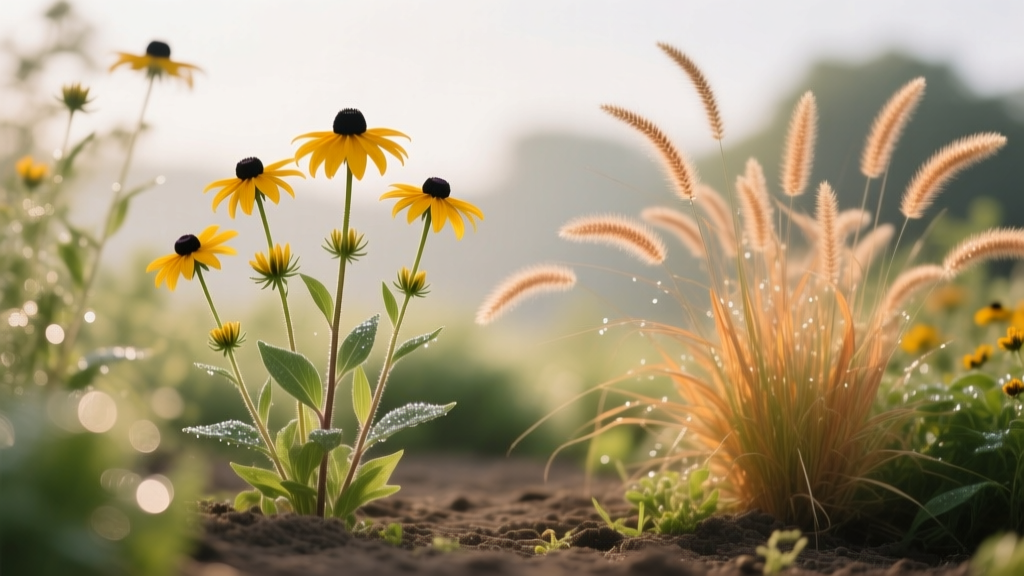
2026 Pruning Guide For Black-Eyed Susan & Switchgrass
Lisa ThompsonPublished
The 2026 Approach to Native Plant Pruning
As we navigate the 2026 landscaping season, the shift toward resilient, native-first garden design is more pronounced than ever. Homeowners and landscape professionals alike are moving away from the highly manicured, sterile gardens of the past decade, embracing the ecological power of native perennials and ornamental grasses. Two undisputed champions of the North American native landscape are Black-Eyed Susan (Rudbeckia hirta and Rudbeckia fulgida) and Switchgrass (Panicum virgatum). However, a common misconception in sustainable landscaping is that native plants require zero maintenance. In reality, they require different maintenance—specifically regarding pruning methods and timing.
Pruning native plants is not about forcing them into artificial shapes; it is about managing their vigor, preventing disease, and synchronizing your garden maintenance with local wildlife life cycles. In 2026, the latest horticultural consensus heavily emphasizes 'ecological pruning,' a method that prioritizes overwintering habitats for pollinators while ensuring the long-term vitality of your plantings. This guide will detail the exact pruning methods, seasonal timing, and tool recommendations for maintaining a thriving matrix of Black-Eyed Susan and Switchgrass.
Black-Eyed Susan (Rudbeckia) Pruning Methods
Black-Eyed Susans are beloved for their brilliant golden-yellow petals and dark, domed central cones. Depending on the exact species and cultivar—such as the highly popular 'Goldsturm' or 'American Gold Rush'—they can behave as short-lived perennials or biennials. Because they often rely on self-seeding to maintain their presence in a garden bed, your pruning strategy directly impacts their future propagation.
Summer Deadheading for Prolonged Bloom
During the peak of the summer growing season (typically June through early August), the primary pruning method for Black-Eyed Susan is deadheading. Using clean, sharp bypass pruners, snip the spent flower stalk back to the nearest set of healthy lateral leaves or down to the basal rosette. This prevents the plant from directing energy into seed production and encourages a second, albeit lighter, flush of blooms. According to the University of Wisconsin-Madison Extension, consistent deadheading in early summer can extend the bloom period by up to three weeks, providing crucial nectar to mid-summer pollinators like swallowtail butterflies and native sweat bees.
The Ecological Pivot: Late Summer and Fall
As we transition into late August and September, the pruning strategy must shift dramatically. Stop deadheading. Allow the remaining flower heads to mature, dry, and form seeds. The seedheads of the Black-Eyed Susan are a primary food source for American Goldfinches and chickadees during the autumn migration and winter months. Furthermore, the Xerces Society for Invertebrate Conservation strongly advises leaving perennial stems intact through the winter. Many native solitary bees and beneficial wasps use the hollow or pithy stems of perennials to overwinter. Cutting them down in the fall destroys this vital habitat. Leave the basal foliage intact as well, as it often remains semi-evergreen and helps protect the plant's crown from freeze-thaw cycles.
Switchgrass (Panicum virgatum) Maintenance
Switchgrass is a robust, warm-season prairie grass that offers unparalleled vertical structure, beautiful fall coloration, and airy, translucent seed panicles. Cultivars like 'Northwind', 'Shenandoah', and 'Dallas Blues' are staples in modern landscape design. However, pruning Switchgrass requires an understanding of its C4 photosynthesis pathway, which dictates its growth cycle.
The Danger of Fall Pruning
The most critical rule for Switchgrass in 2026 is to never prune it in the fall. Warm-season grasses go dormant as daylight hours shorten and temperatures drop. If you cut the foliage back in late autumn, you expose the plant's crown to harsh winter moisture and freezing temperatures. This drastically increases the risk of crown rot and winter kill. Additionally, standing Switchgrass provides essential winter cover for ground-foraging birds and overwintering insects, while adding striking architectural interest to the winter landscape, especially when coated in frost or snow.
The Late-Winter Cutback
The correct time to prune Switchgrass is in late winter to early spring, just before new green shoots begin to emerge from the crown. Depending on your USDA Hardiness Zone, this window typically falls between late February and mid-April. According to Penn State Extension, you should cut the grass clump down to about 4 to 6 inches above the soil line. For mature, thick clumps that are three or more years old, hand pruners will not suffice. Landscape professionals in 2026 frequently use battery-powered reciprocating saws or heavy-duty hedge trimmers to slice through the tough, fibrous stems quickly and cleanly. Always wear heavy leather gloves and eye protection, as the dried leaf blades can be razor-sharp.
2026 Pruning & Timing Calendar
To keep your native landscape thriving, refer to this seasonal maintenance matrix. Timing is everything when balancing aesthetic appeal with ecological responsibility.
| Season | Black-Eyed Susan Action | Switchgrass Action | Ecological Impact |
|---|---|---|---|
| Early Summer | Deadhead spent blooms to lateral leaves. | None. Allow full vertical growth. | Promotes continuous nectar flow for native bees. |
| Late Summer | Cease deadheading; allow seedheads to form. | None. Monitor for foliar rust. | Seed development begins; supports late-season foraging. |
| Autumn | Leave stems and basal foliage completely intact. | Do not cut. Enjoy fall foliage and panicles. | Provides crucial calories for migrating and wintering birds. |
| Winter | No action. Leave for overwintering insects. | No action. Provides structural cover for wildlife. | Protects native bee larvae inside hollow perennial stems. |
| Early Spring | Cut back old stems to 2 inches just before new basal growth. | Chop entire clump down to 4-6 inches above the crown. | Clears space for new growth while releasing overwintered insects. |
Essential Tools for Native Plant Pruning
Using the correct tools prevents the tearing of plant tissue, which can invite fungal pathogens like powdery mildew (common on Rudbeckia) and rust (occasionally seen on Panicum). In 2026, the standard toolkit for native plant maintenance includes:
- High-Carbon Bypass Pruners: Essential for clean cuts on Susan stems. Avoid anvil pruners, which crush the vascular cambium of soft-stemmed perennials. Keep blades oiled with camellia oil to prevent rust.
- Battery-Powered Hedge Trimmers: Ideal for shearing large drifts of Black-Eyed Susan in early spring. A quick pass at ground level clears the dead thatch in minutes.
- Reciprocating Saw with a Pruning Blade: The ultimate tool for mature Switchgrass clumps. A 9-inch pruning blade will slice through a 3-foot-wide base of dormant Panicum virgatum in seconds without damaging the crown.
- Tool Sterilization Kit: Always carry a spray bottle of 70% isopropyl alcohol. Wipe down your pruner blades between plants to prevent the mechanical transmission of aster yellows or fungal spores.
Common Pruning Mistakes to Avoid
Even experienced gardeners can stumble when transitioning to native plant care. Avoid these common errors to ensure your landscape thrives throughout the year:
- Shearing Switchgrass Too Short: Cutting into the actual crown (the white, fleshy base at the soil line) will severely damage the plant and may kill it. Always leave 4 to 6 inches of stubble.
- Over-Deadheading in August: If you continue to remove Black-Eyed Susan flowers late in the season, the plant will exhaust its root reserves trying to produce more blooms, weakening it for the following spring and depriving birds of winter food.
- Clearing Debris Too Early: Waiting until consistent daytime temperatures reach at least 50°F (10°C) in the spring before cutting back stems is crucial. This ensures that overwintering ladybugs, lacewings, and native bees have fully emerged from their winter dormancy before their habitats are hauled off to the compost pile.
Conclusion
Mastering the pruning methods and timing for Black-Eyed Susan and Switchgrass is a cornerstone of successful native landscaping in 2026. By abandoning the outdated practice of the 'fall cleanup' and embracing a late-winter and early-spring pruning schedule, you not only reduce your autumn workload but also transform your garden into a vital sanctuary for local wildlife. Equip yourself with the right tools, respect the natural growth cycles of these incredible native species, and enjoy a landscape that is as ecologically functional as it is visually stunning.

