Gardening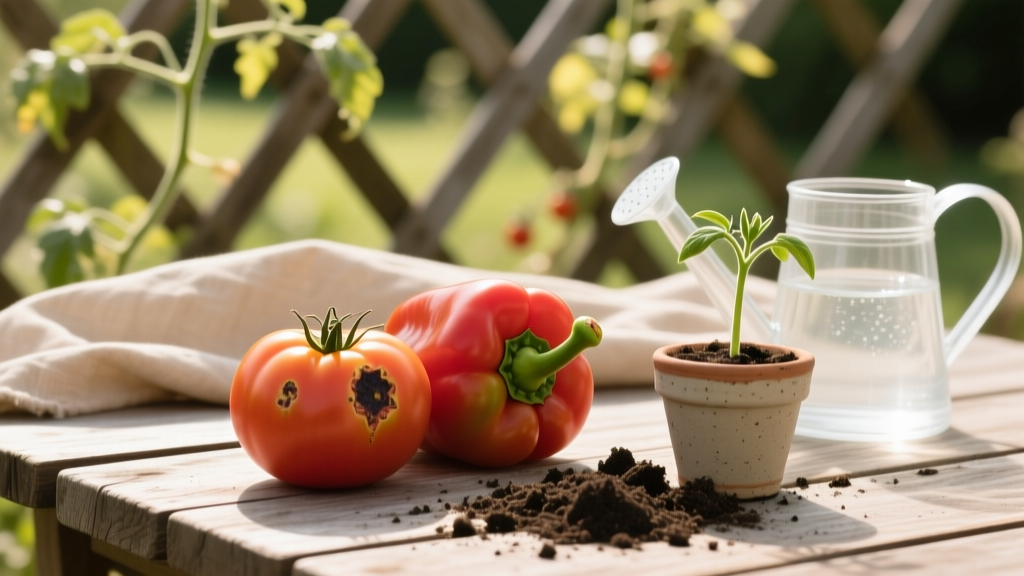
Blossom End Rot in Tomatoes: Diagnosis and Solutions
Mike RodriguezPublished
Diagnosing Blossom End Rot: More Than Just a Bad Tomato
Blossom end rot (BER) is one of the most disheartening physiological disorders a home gardener can encounter. You nurture your tomato plants, peppers, or eggplants through the early summer, only to find the bottom of your developing fruit turning into a sunken, leathery, black lesion. Unlike early blight, late blight, or bacterial spot, blossom end rot is not caused by a fungus, bacteria, or pest. It is a physiological disorder directly linked to a localized calcium deficiency within the developing fruit tissue.
Diagnosing BER correctly is the first step toward saving your harvest. The symptoms almost always begin on the blossom end (the bottom) of the fruit, opposite the stem. Initially, it appears as a small, water-soaked, pale green or yellowish spot. As the fruit expands, the spot enlarges, turning dark brown or black, and becomes sunken and leathery. Secondary fungal pathogens, such as Alternaria, may eventually colonize the dead tissue, leading to fuzzy mold growth, which often tricks gardeners into applying unnecessary and ineffective fungicides.
The Calcium and Moisture Connection
The most pervasive myth in vegetable gardening is that blossom end rot simply means your soil lacks calcium. While calcium is the structural component in question, the actual deficiency is rarely in the soil itself. Most garden soils contain more than enough calcium to support a heavy tomato crop. The true culprit is almost always uneven soil moisture.
Calcium is transported through the plant's xylem via the transpiration stream. When the soil dries out, water uptake slows, and calcium—which is relatively immobile within the plant—fails to reach the rapidly expanding cells at the blossom end of the fruit. Without sufficient calcium to build strong cell walls, the tissue collapses and dies. Conversely, waterlogged soils can suffocate roots, destroying the root hairs responsible for nutrient uptake, leading to the exact same localized deficiency.
Expert Insight: 'Blossom-end rot is a physiological disorder caused by a calcium deficiency in the fruit. It is not a disease. Factors that reduce calcium uptake or transport, such as drought stress, alternating soil moisture levels, root damage, or excessive ammonium fertilization, will increase the incidence of the disorder.' — University of California Agriculture and Natural Resources (UC ANR)
Environmental and Cultural Triggers
To effectively diagnose and solve blossom end rot, you must identify the specific cultural trigger in your garden. Common culprits include:
- Fluctuating Moisture Levels: Allowing the soil to dry out completely between heavy watering sessions.
- Root Pruning Damage: Aggressive hoeing or cultivating too close to the plant base severs the shallow feeder roots responsible for calcium uptake.
- Excessive Nitrogen Fertilization: Using high-ammonium fertilizers (like ammonium sulfate) forces the plant to prioritize leafy growth over fruit development. Furthermore, ammonium cations directly compete with calcium cations for absorption sites on the root surface.
- Improper Soil pH: Calcium becomes chemically 'locked up' and unavailable to plant roots if the soil pH drops below 6.0 or rises above 7.2.
- Cold Soil at Planting: Setting transplants out too early in cold, wet soil stunts root development, limiting the plant's ability to forage for nutrients later in the season.
Actionable Prevention Strategies
Solving blossom end rot requires a proactive approach focused on root health and moisture consistency. Implement these specific, measurable strategies before and during the growing season:
1. Optimize Soil Moisture and Mulching
Tomatoes require 1 to 1.5 inches of water per week, but consistency is more critical than volume. Invest in a drip irrigation system (typically costing $30 to $50 for a 50-foot raised bed kit) with a programmable timer. Water deeply in the early morning to encourage deep root growth. Immediately after planting, apply a 2-to-3-inch layer of organic mulch—such as straw, shredded leaves, or untreated grass clippings—around the base of the plants. This reduces evaporation, keeps soil temperatures stable, and prevents the soil surface from crusting.
2. Test and Adjust Soil pH
Before planting, conduct a professional soil test through your local university extension office (usually costing between $15 and $30). Tomatoes thrive in a slightly acidic pH range of 6.2 to 6.8. If your pH is below 6.0, incorporate dolomitic lime (which adds both calcium and magnesium) at the rate recommended by your test results, ideally in the fall prior to planting. If your pH is already optimal but you suspect a calcium deficit, use gypsum (calcium sulfate). Gypsum adds calcium without altering the soil pH. Apply 1 to 2 pounds of gypsum per 100 square feet and work it into the top 6 inches of soil in early spring.
3. Choose the Right Fertilizer
Avoid high-nitrogen, ammonium-based synthetic fertilizers. Instead, use a balanced, slow-release organic fertilizer or one specifically formulated for tomatoes (e.g., a 4-6-3 NPK ratio). Look for fertilizers where the nitrogen source is nitrate-based or derived from organic proteins, which do not interfere with calcium uptake.
Calcium Amendment Comparison Guide
Not all calcium sources are created equal. Choosing the wrong amendment can alter your soil pH disastrously or fail to deliver nutrients in time. Use the table below to select the correct product for your specific soil conditions.
| Amendment Type | Product Examples | Effect on Soil pH | Application Rate | Speed of Action |
|---|---|---|---|---|
| Gypsum (Calcium Sulfate) | Espoma Organic Gypsum, Pelletized Gypsum | Neutral (No Change) | 1-2 lbs per 100 sq ft | Moderate (2-4 weeks) |
| Dolomitic Lime | Sta-Green Dolomitic Lime, Garden Lime | Raises pH (Alkaline) | Based on soil test (usually 2-5 lbs per 100 sq ft) | Slow (2-3 months) |
| Bone Meal | Jobe's Organics Bone Meal | Slightly Raises pH | 1-2 tbsp per planting hole | Slow (Months to break down) |
| Liquid Calcium (Foliar) | Calcium Nitrate Sprays, Chelated Calcium | N/A (Foliar Application) | Per manufacturer label | Fast (Days, but limited efficacy for BER) |
Special Considerations for Container Gardening
Container-grown tomatoes and peppers are exponentially more susceptible to blossom end rot. Potting mixes dry out much faster than ground soil, and the restricted root volume makes the plant entirely dependent on your watering habits. To prevent BER in containers:
- Use Large Pots: Minimum 15-gallon containers for indeterminate tomatoes to ensure adequate soil volume for moisture retention.
- Upgrade Your Potting Mix: Blend a high-quality peat or coco-coir based potting mix with 20% compost to increase water-holding capacity.
- Self-Watering Planters: Consider using self-watering containers or adding ollas (unglazed clay pots buried in the soil) to provide a slow, consistent release of moisture directly to the root zone.
- Supplemental Calcium: Because nutrients leach out of containers with frequent watering, mix a cup of crushed eggshells or a specialized container tomato fertilizer containing calcium into the potting mix at the time of planting.
Emergency Interventions: Can You Save the Current Crop?
If you notice blossom end rot on your first flush of fruit, do not panic. The damage to the affected fruit is irreversible; you must pick and discard (or compost) the rotting tomatoes immediately to prevent secondary fungal spread and redirect the plant's energy.
While many gardening blogs recommend spraying the leaves and fruit with liquid calcium or crushed antacid tablets dissolved in water, foliar calcium sprays are largely ineffective for curing blossom end rot. Calcium does not easily translocate from the leaves into the fruit. The most effective 'emergency' treatment is to immediately correct the soil moisture issue. Deeply water the plant, apply a thick layer of mulch, and ensure your drip irrigation is functioning. In most cases, once moisture levels are stabilized, the subsequent flushes of fruit will develop normally without any rot.
Authoritative Citations and Further Reading
The diagnostic criteria and cultural management strategies outlined in this guide are supported by extensive horticultural research. For further reading and localized soil testing resources, consult the following authoritative sources:
- University of California Agriculture and Natural Resources (UC ANR): 'Tomato: Blossom-End Rot' Pest Management Guidelines for commercial and home growers.
- Cornell University College of Agriculture and Life Sciences: 'Vegetable Growing Guides: Tomatoes' detailing cation exchange capacity and calcium mobility.
- USDA Natural Resources Conservation Service (NRCS): Soil health and pH management guidelines for sustainable home gardening.
By shifting your focus from simply 'adding calcium' to managing soil moisture and root health, you can effectively eliminate blossom end rot and enjoy a bountiful, unblemished harvest of tomatoes, peppers, and squash.
