
Landscaping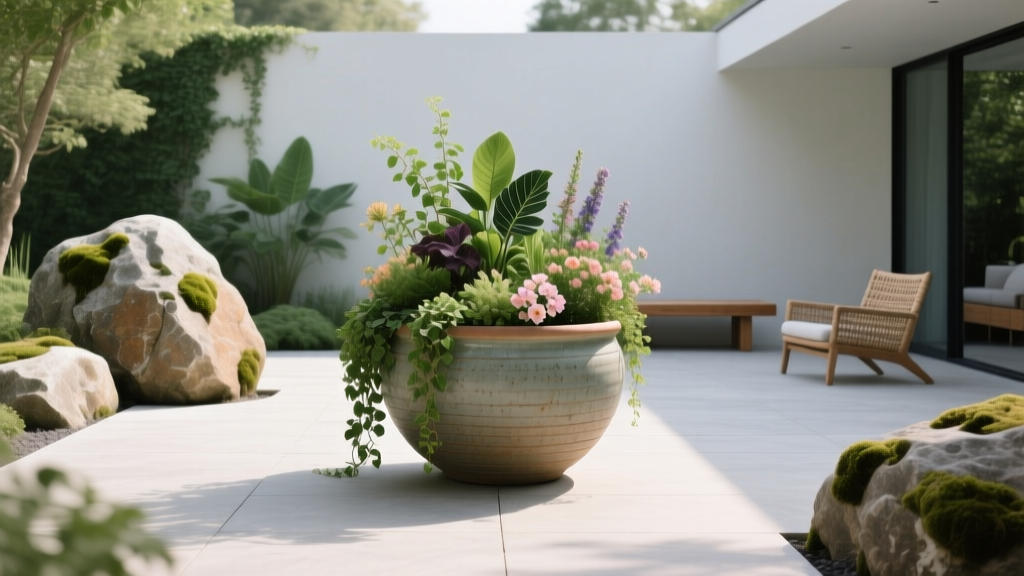
Landscape Boulders In Container Gardens: 2026 Guide
Robert HayesPublished
The Intersection of Hardscape and Container Gardening
In the evolving world of outdoor design, the rigid boundaries between hardscaping and softscaping are rapidly dissolving. As we move through 2026, one of the most striking trends in landscape architecture is the integration of massive, natural elements into flexible planting schemes. Specifically, landscape boulder placement as a garden focal point is no longer restricted to sprawling backyard berms, traditional rockeries, or large-scale commercial properties. Today, innovative gardeners and landscape designers are merging the permanence of landscape boulders with the versatility of container and pot gardening to create breathtaking, grounded focal points on patios, decks, and urban courtyards.
Container gardening has long been the go-to solution for spaces where in-ground planting is impossible or impractical. However, a common complaint among designers is that large pots can sometimes look disconnected from their surroundings, appearing as though they are merely sitting on top of the hardscape rather than belonging to it. By introducing landscape boulders into your container arrangements, you bridge the gap between the built environment and the natural world, creating a cohesive, high-end aesthetic that defines modern outdoor living spaces.
Why Combine Boulders with Potted Plants?
The primary reason to integrate boulders into your container garden layout is to establish visual weight and grounding. When you place a large resin or ceramic planter on a wooden deck or concrete patio, the eye naturally registers a harsh transition between the bottom of the pot and the flat surface. By strategically placing a landscape boulder at the base of the container, or using a cluster of smaller stones to hide the pot's feet, you create an organic transition. The boulder acts as an anchor, tricking the eye into perceiving the container as an extension of the earth below.
Beyond aesthetics, boulders serve practical functions in container scaping. They can act as windbreaks for delicate potted specimens, shield terracotta pots from direct afternoon sun to prevent root bake, and even create microclimates. The thermal mass of a large granite or basalt boulder absorbs heat during the day and releases it slowly at night, which can protect tender perennials housed in adjacent containers during transitional spring and autumn weeks.
Selecting the Right Boulders for Container Displays
Not all stones are created equal, and choosing the right boulder is critical when pairing it with the refined look of high-quality garden planters. The texture, color, and porosity of the stone must complement both the container material and the foliage you intend to grow. In 2026, the trend leans heavily toward locally sourced, weathered stones that feature natural lichen and moss growth, as these elements instantly age the installation and provide a sense of established permanence.
| Boulder Type | Best Container Pairing | Visual Characteristics | Weight Consideration |
|---|---|---|---|
| Basalt | Modern concrete or corten steel planters | Dark grey/black, columnar, fine-grained | Extremely heavy; requires structural support on decks |
| Granite | Glazed ceramic or traditional terracotta | Speckled, rugged, highly durable | Very heavy; excellent for anchoring tall pots in wind |
| Sandstone | Hypertufa troughs or rustic wooden half-barrels | Warm earth tones, layered, porous | Moderate; easier to maneuver for DIY patio projects |
| Limestone | Minimalist fiberglass or sleek resin pots | Light grey/cream, smooth, alkaline | Moderate to heavy; avoid for acid-loving alpine plants |
Top 3 Boulder and Container Focal Point Designs for 2026
1. The Patio Cluster Monolith
This design utilizes a single, towering boulder as the central axis of your patio arrangement. Surrounding the base of the monolith, you place three to five containers of varying heights and diameters. The key to success in 2026 is using containers made of the same material but in different shapes to maintain visual harmony. The boulder draws the eye upward, while the surrounding pots create a lush, tiered skirt of foliage that softens the stone's hard edges. This is particularly effective for showcasing architectural plants like Agave, Yucca, or tall ornamental grasses such as Feather Reed Grass.
2. The Hollowed Basalt Water Feature and Planter Combo
Drilled and hollowed boulders have been popular water features for years, but the 2026 iteration combines water and container gardening into a single focal point. A large, hollowed basalt column is set into a wide, shallow catch-basin container. The basin itself is transformed into a bog garden or a water lily container, while the top of the boulder is fitted with a custom soil insert to grow trailing plants like Creeping Jenny or String of Pearls. The water bubbles up through the stone, watering the trailing plants and cascading into the lush container basin below.
3. The Alpine Trough and Mini-Boulder Display
For smaller spaces or balcony gardens, massive boulders are impractical. Instead, utilize a large, shallow concrete or hypertufa trough container and integrate miniature landscape boulders (often called accent stones or suiseki) directly into the soil bed. This creates a miniature alpine landscape. You plant drought-tolerant succulents like Sempervivum and Sedum directly into the trough, using the small boulders to create terraces, hide soil lines, and provide shade for the delicate roots of alpine specimens.
Soil and Plant Pairings for Boulder Containers
When designing a container garden meant to mimic a natural boulder outcropping, your plant selection and soil media must align with the environment a real boulder would create. According to the University of Minnesota Extension's guide to flower containers, proper soil structure is paramount for container health. When placing containers near boulders, or creating trough gardens with integrated stones, avoid heavy, moisture-retentive potting mixes. Instead, opt for a gritty, well-draining mix composed of equal parts potting soil, coarse pumice, and fine pine bark.
Plants that naturally thrive in rocky, alpine, or arid environments are the best companions for boulder focal points. Consider using:
- Sedum 'Dragon's Blood': A low-growing succulent that spills beautifully over the edges of containers and cascades down the sides of adjacent boulders.
- Festuca glauca (Blue Fescue): An ornamental grass whose striking blue-grey hue perfectly complements the warm tones of sandstone or the dark tones of basalt.
- Thyme varieties: Creeping thymes will root into the crevices of porous boulders if given the opportunity, blurring the line between the pot and the stone.
Step-by-Step Boulder Placement for Patio Focal Points
Executing a boulder and container installation requires careful planning, especially regarding weight distribution and surface protection.
Step 1: Surface Assessment and Protection. Before moving any heavy stone, assess your patio or deck. If you are on a wooden deck, consult a structural engineer to ensure the joists can support the localized weight of a multi-ton boulder. For concrete patios, lay down a heavy-duty geomembrane or thick rubber matting to prevent the stone from cracking the concrete during placement.
Step 2: Positioning the Anchor. Use a mechanical dolly, pry bar, or a small skid steer to move the boulder into position. Always place the boulder first, before bringing in the containers. Bury the bottom 10% to 15% of the boulder in a shallow bed of decorative gravel or soil to make it look as though it is emerging naturally from the ground, rather than simply dropped on top of it.
Step 3: Arranging the Containers. Bring in your large focal pot first, placing it slightly off-center from the boulder to create dynamic tension. Fill in with secondary and tertiary pots, ensuring that the rims of the pots do not perfectly align, which can look artificial. Use the boulder to hide the functional elements of the pots, such as drainage trays or pot feet.
Drainage and Root Health Considerations
One of the most frequent mistakes in hardscape-container integration is ignoring water runoff. When a boulder is placed near a container, it can alter the way water flows off the patio, potentially directing runoff toward the base of your pots and causing waterlogged soil. The EPA WaterSense efficient landscaping guidelines emphasize the importance of managing runoff and ensuring that hardscape elements do not create unintended pooling zones.
To prevent root rot in your container gardens, ensure that every pot is elevated slightly off the ground using high-quality, UV-stable pot feet. When placing boulders around the pots, leave a minimum clearance of two inches between the stone and the container wall to allow for air circulation and easy access for watering wands. If you are using a boulder as a base to elevate a pot, ensure the top of the boulder is relatively flat and use a layer of closed-cell foam between the stone and the pot to prevent abrasion and allow water to escape the drainage holes freely.
Sourcing and Pricing in 2026
The cost of landscape boulders has shifted in 2026 due to changes in freight logistics and regional quarrying regulations. On average, you can expect to pay between $150 and $350 per ton for standard granite or sandstone boulders, with exotic stones like columnar basalt commanding upwards of $500 per ton. However, for container garden focal points, you rarely need a full ton. Many local landscape supply yards now sell 'specimen stones' individually, priced by the piece rather than by weight, typically ranging from $75 to $250 for a boulder measuring 18 to 24 inches in diameter.
When sourcing, always ask for 'weathered' or 'mossy' boulders. Freshly quarried stones often feature bright, unoxidized cut marks that can take years to blend into a garden setting. For a comprehensive overview of sustainable container practices and stone integration, the Royal Horticultural Society's container gardening advice remains an invaluable resource for modern gardeners looking to balance aesthetics with ecological responsibility.
Conclusion
Integrating landscape boulders into your container garden is a transformative design strategy that elevates a simple collection of pots into a curated, architectural focal point. By carefully selecting the right stone, prioritizing drainage, and choosing complementary alpine or architectural plants, you can create a stunning, low-maintenance outdoor oasis that feels grounded, intentional, and perfectly attuned to the design sensibilities of 2026. Whether you are working with a sprawling concrete patio or a modest urban balcony, the timeless weight of a natural boulder provides the perfect anchor for your container gardening ambitions.

