Pest Control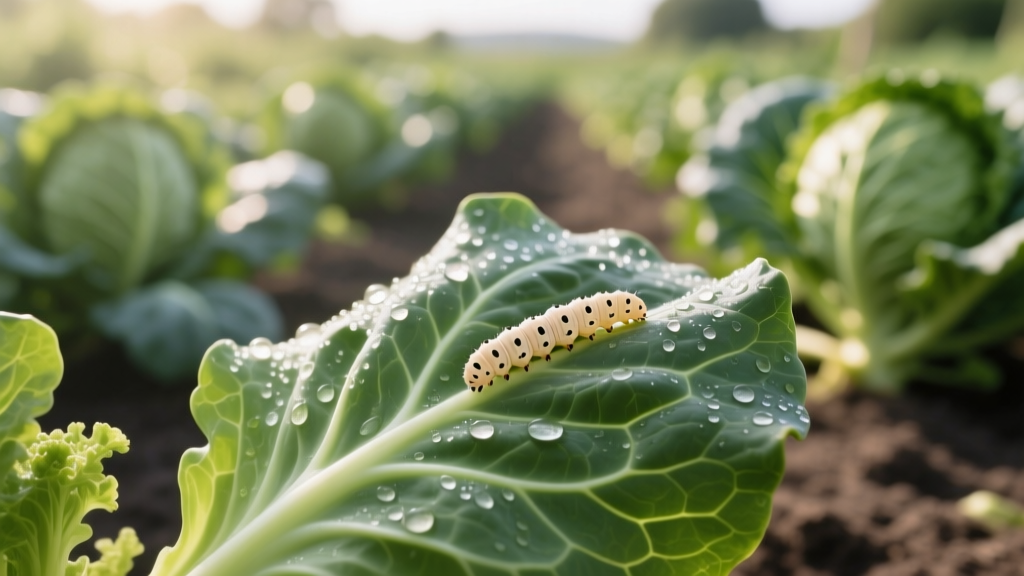
Bt Kurstaki for Cabbage & Hornworms: 2026 Bio-Control Guide
Lisa ThompsonPublished
The Rise of Biological Pest Control in 2026
As home gardeners and small-scale farmers continue to embrace sustainable agriculture in 2026, biological pest control has moved to the absolute forefront of Integrated Pest Management (IPM). Among the most reliable, targeted, and environmentally safe bio-pesticides available today is Bacillus thuringiensis var. kurstaki (Btk). This naturally occurring soil bacterium has become the cornerstone for organic growers battling voracious leaf-eating caterpillars. Unlike broad-spectrum synthetic chemicals that decimate local ecosystems and harm pollinators, Btk offers a highly specific mode of action that targets only the larvae of moths and butterflies, leaving your beneficial insects, pets, and family completely unharmed.
In this comprehensive 2026 guide, we will explore the science behind Btk, how to identify its primary targets—the imported cabbageworm and the notorious tomato hornworm—and provide a step-by-step application protocol to ensure your brassicas and solanaceous crops thrive throughout the growing season.
The Mechanism of Action: How Btk Kills Caterpillars
To use Btk effectively, it is crucial to understand how it works. Btk is not a contact poison; it is a stomach toxin. When the bacterium is sprayed onto foliage and ingested by a susceptible caterpillar, it releases specialized crystal proteins (Cry toxins) in the insect's alkaline midgut. According to the Environmental Protection Agency (EPA), these proteins bind to specific receptors in the gut lining, causing cellular rupture and paralysis of the digestive tract.
Within hours of ingestion, the caterpillar stops feeding, effectively halting the damage to your plants. Over the next 24 to 72 hours, the larva will succumb to septicemia and starvation. Because this mechanism relies on the highly alkaline environment of a caterpillar's gut, Btk is entirely non-toxic to humans, mammals, birds, and most beneficial insects, whose digestive systems are either acidic or lack the specific binding receptors required for the toxin to activate.
Target Profile: The Imported Cabbageworm
The imported cabbageworm (Pieris rapae) is the larval stage of the common white cabbage butterfly. These velvety green caterpillars are a relentless menace to brassicas, including cabbage, broccoli, kale, cauliflower, and Brussels sprouts. They chew large, irregular holes in leaves and frequently bore directly into the heads of cabbage and broccoli, leaving behind massive amounts of frass (caterpillar excrement) that ruins the harvest.
Btk is exceptionally effective against cabbageworms, provided it is applied during the early instar stages (when the caterpillars are small). Because cabbageworms feed heavily on the undersides of leaves and within the tight folds of developing brassica heads, thorough spray coverage is non-negotiable for successful eradication.
Target Profile: Tomato and Tobacco Hornworms
Tomato hornworms (Manduca quinquemaculata) and tobacco hornworms (Manduca sexta) are massive, striking caterpillars that can grow up to four inches in length. They possess a ravenous appetite and can defoliate a mature tomato, pepper, or eggplant plant in a matter of days. Identifying them can be tricky due to their excellent camouflage, but their dark green droppings (frass) on lower leaves are a telltale sign of an infestation.
While hand-picking is a common control method for hornworms, it is often impractical for large gardens or severe infestations. Btk provides an excellent biological alternative. However, because hornworms are so large, they must ingest a sufficient dose of the toxin. Applying Btk at the first sign of leaf damage or frass ensures the caterpillars ingest the bacteria before they reach their most destructive, late-stage larval phase.
2026 Btk Product Comparison Chart
The market for biological insecticides has expanded, offering various formulations to suit different garden sizes and application preferences. Below is a comparison of the top Btk products available for the 2026 growing season.
| Product Name | Formulation | Mix Rate (per Gallon) | Best Use Case | Approx. Cost (2026) |
|---|---|---|---|---|
| Monterey B.t. | Liquid Concentrate | 1.5 fl oz | Small to medium home gardens | $16.00 / 16 oz |
| Dipel DF | Dry Flowable Powder | 0.5 to 1 tsp | Large plots, commercial organic farms | $22.00 / 8 oz |
| Thuricide | Liquid Concentrate | 1.5 fl oz | Orchards and diverse vegetable beds | $18.00 / 16 oz |
| Garden Safe B.t. | Ready-to-Use Dust | N/A (Apply directly) | Spot treatments, small container gardens | $9.00 / 16 oz |
Note: Always read the specific manufacturer's label on the product you purchase, as concentrations of active ingredients can vary slightly between brands and production batches.
Step-by-Step Application Protocol
Achieving maximum efficacy with Btk requires precision in both timing and application technique. Follow these steps for optimal results:
1. Scout and Identify
Inspect your plants early in the morning or late in the evening. Look for the white butterflies hovering over your brassicas (a sign that eggs are being laid) or inspect tomato leaves for missing foliage and large, dark green frass pellets. Btk is most effective on young, early-instar caterpillars. If you find massive, mature hornworms, hand-pick them first, then use Btk to target the smaller, hidden larvae.
2. Prepare the Spray Solution
When mixing liquid concentrates or dry flowables, use clean water. If your local water supply is highly alkaline (pH above 8.0) or heavily chlorinated, it can degrade the Btk spores and crystal proteins before they even reach the plant. The National Pesticide Information Research Center (NPIC) notes that maintaining a neutral water pH (around 6.5 to 7.0) is ideal for bio-pesticides. Consider adding a natural, organic spreader-sticker (like a yucca extract or agricultural molasses) to help the Btk adhere to the waxy cuticle of cabbage and kale leaves.
3. Apply with Precision
Using a pump sprayer with a fine mist nozzle, coat the plants thoroughly. Critical Step: You must spray the undersides of the leaves, as this is where the majority of cabbageworms and hornworms feed and hide. Spray until the foliage is uniformly wet but not dripping excessively.
Environmental Factors: UV Degradation and Rainfastness
The primary vulnerability of Btk is its sensitivity to ultraviolet (UV) radiation. Direct, intense sunlight will break down the crystal proteins on the leaf surface within a few days. To combat this, always apply Btk in the late afternoon or early evening. This allows the caterpillars to feed on the treated foliage during their active nighttime hours and gives the bacteria time to be ingested before the sun degrades the residue.
Regarding rainfastness, Btk is easily washed off by heavy precipitation. Most liquid formulations require at least 4 to 6 hours of dry weather to set properly, but using a botanical spreader-sticker can reduce this window and improve water resistance. If a heavy rainstorm occurs within 12 hours of application, a reapplication will be necessary. Under normal conditions, a single application provides 5 to 7 days of residual control.
Synergy with Beneficial Insects
One of the greatest advantages of integrating Btk into your 2026 pest management strategy is its total compatibility with beneficial insects. Predatory insects like ladybugs, lacewings, and predatory stink bugs are completely unaffected by Btk. More importantly, Btk does not harm parasitic wasps, such as the braconid wasp (Cotesia congregata), which is a natural enemy of the tomato hornworm.
According to research highlighted by the University of Kentucky Entomology Department, preserving these parasitoid populations is vital for long-term garden health. If you spot a hornworm covered in small, white, rice-like cocoons, do not kill it or spray it with Btk. Those are the cocoons of braconid wasps, and allowing them to hatch will release dozens of beneficial wasps that will parasitize other hornworms in your garden naturally.
Resistance Management Strategies
While Btk resistance is not yet a widespread issue for hornworms in home gardens, certain pests like the diamondback moth have developed resistance in commercial agricultural settings due to the overuse of a single toxin. To future-proof your garden's IPM strategy, practice rotational spraying. If you have been relying solely on Btk for multiple consecutive weeks, rotate with another organic bio-pesticide with a different mode of action, such as Spinosad or a high-quality Neem oil extract. This multi-pronged approach ensures that pest populations remain susceptible to biological controls for generations to come.
Conclusion
As we navigate the 2026 growing season, Bacillus thuringiensis var. kurstaki remains an indispensable tool for the eco-conscious gardener. By understanding its specific mode of action, targeting the vulnerable early life stages of cabbageworms and hornworms, and applying it with strategic timing to avoid UV degradation, you can protect your harvest without compromising the delicate balance of your garden's ecosystem. Embrace the power of biological control, and enjoy a bountiful, pesticide-free harvest this year.