Pest Control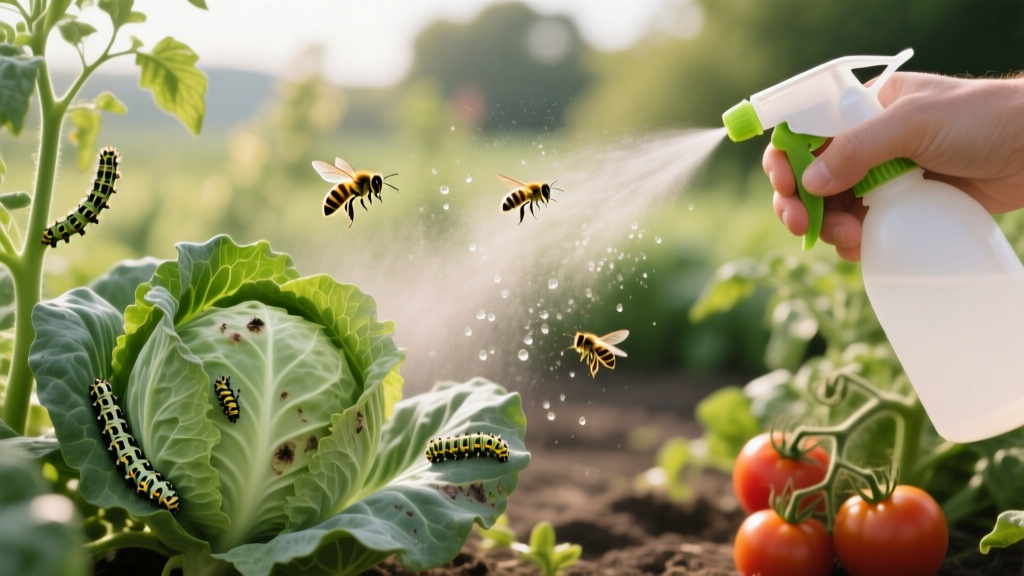
Bt Kurstaki Guide: Stop Cabbage & Hornworms in 2026 Foodscapes
Mike RodriguezPublished
The 2026 Foodscape Challenge: Protecting Edibles Organically
As edible landscaping and foodscaping continue to dominate garden design trends in 2026, homeowners are increasingly integrating brassicas, nightshades, and herbs directly into their ornamental borders. While this approach creates stunning, productive landscapes, it also invites a host of voracious caterpillars. The imported cabbageworm and the massive tomato hornworm can decimate a beautifully designed foodscape in a matter of days. Because foodscapes are often situated in high-traffic family areas and rely heavily on native pollinators, broad-spectrum chemical pesticides are entirely off the table. Enter Bacillus thuringiensis var. kurstaki (Btk)—the ultimate biological weapon for the modern organic foodscape.
What is Bt Kurstaki (Btk)?
Btk is a naturally occurring soil-dwelling bacterium that produces crystalline proteins (Cry toxins) during its sporulation phase. These proteins are entirely harmless to humans, pets, birds, and beneficial insects like bees and ladybugs. However, when ingested by the larvae of butterflies and moths (Lepidoptera), the highly alkaline environment of the caterpillar's midgut dissolves the crystal. The released toxin binds to specific receptors in the gut lining, creating pores that paralyze the digestive tract.
Within hours of consuming a treated leaf, the caterpillar stops feeding and eventually dies from starvation and septicemia within one to three days. According to the Environmental Protection Agency (EPA), Bt is highly specific and is exempt from many residue tolerances, making it perfectly safe for use on edible crops right up to the day of harvest.
Target Pests in the Edible Landscape
In a mixed foodscape, you are primarily deploying Btk against two major categories of leaf-munching larvae:
1. The Cabbage Worm Complex
- Imported Cabbageworm (Pieris rapae): Velvety green caterpillars that move slowly and chew large, irregular holes in the leaves of kale, cabbage, broccoli, and cauliflower.
- Cabbage Looper (Trichoplusia ni): Pale green with white stripes, these caterpillars move with a distinctive 'inchworm' looping motion and can skeletonize brassica leaves rapidly.
- Diamondback Moth Larvae: Small, wriggling caterpillars that feed on the undersides of leaves, creating a 'windowpane' effect.
2. The Hornworms
- Tomato Hornworm (Manduca quinquemaculata) & Tobacco Hornworm (Manduca sexta): These massive, bright green caterpillars feature diagonal white stripes and a prominent 'horn' on their rear end. They target tomatoes, peppers, and eggplants, often stripping entire branches overnight.
2026 Btk Product Comparison Chart
Choosing the right formulation depends on the size of your foodscape and your application preferences. Below is a comparison of the top Btk products available for the 2026 season:
| Product Name | Formulation | Mix Rate (per Gallon) | Best Foodscape Use |
|---|---|---|---|
| Monterey B.t. | Liquid Concentrate | 1.5 fl oz | Small raised beds and container edibles |
| Dipel DF | Dry Flowable Powder | 0.5 to 1 tsp | Large plots, homesteads, and commercial foodscapes |
| Thuricide | Liquid Concentrate | 1.5 fl oz | General ornamental and edible border integration |
| Garden Safe B.t. | Ready-to-Spray | No mixing required | Quick touch-ups on isolated brassica plants |
Step-by-Step Application Guide
Timing and coverage are the most critical factors in Btk success. As noted by University of Kentucky Entomology, Btk must be ingested to work, meaning the caterpillar must eat a treated leaf. Contact sprays will not work.
Step 1: Scout and Identify Early Instars
Btk is vastly more effective on young, early-instar caterpillars. Scout your brassicas and nightshades weekly. Look for 'frass' (caterpillar droppings that resemble small green or black pellets) on lower leaves. If you see large hornworms that are already several inches long, handpick them instead, as Btk will take too long to stop their massive feeding.
Step 2: Mix with a Spreader-Sticker
Brassica leaves (like kale and cabbage) have a waxy, hydrophobic cuticle that causes water-based sprays to bead up and roll off. Always add a non-ionic surfactant or an organic spreader-sticker (like neem oil or a dedicated horticultural soap) to your Btk mix. This ensures the bacterial suspension coats the leaf evenly.
Step 3: Apply at Dusk
Ultraviolet (UV) light from the sun rapidly degrades the crystal proteins in Btk, often rendering it ineffective within 24 to 48 hours. Apply your spray in the late afternoon or early evening. This allows the spray to dry overnight and gives nocturnal feeders (like loopers and older hornworms) a dose before the sun breaks down the residue.
Step 4: Target the Undersides
Cabbageworms and loopers prefer to feed and hide on the undersides of leaves. Use a sprayer with an adjustable nozzle to ensure you are coating the bottom of the foliage, not just the top.
Step 5: Reapply on Schedule
Because UV light and rain degrade Btk, you must reapply every 7 to 10 days during peak pest seasons, or immediately after a heavy rainfall. Penn State Extension emphasizes that consistent reapplication is the cornerstone of microbial insecticide success.
The Pollinator Paradox: Protecting Beneficials
One of the greatest benefits of Btk in a foodscape is its safety profile for adult pollinators. Bees, wasps, hoverflies, and adult butterflies do not have the alkaline gut receptors required to activate the toxin, making Btk entirely safe for them. This is vital for foodscapes, which rely on heavy pollination for fruit set in tomatoes and squash.
Crucial Warning for Butterfly Gardeners: While Btk is safe for adult butterflies, it is lethal to all butterfly caterpillars. If your foodscape includes butterfly host plants—such as milkweed (for Monarchs), or dill, fennel, and parsley (for Swallowtails)—do not spray Btk on these specific plants. Designate a separate, unsprayed 'nursery zone' in your landscape for butterfly host plants to maintain ecological balance.
Integrating Btk into a Holistic IPM Strategy
Btk should not be your only line of defense. In 2026, integrated pest management (IPM) relies on layered strategies to prevent pest resistance and garden fatigue.
- Companion Planting: Interplant your brassicas with strong-smelling herbs like thyme, rosemary, and sage to confuse the olfactory receptors of the white cabbage butterfly looking for a place to lay eggs.
- Row Covers: Use lightweight floating row covers over newly planted kale and broccoli to physically prevent the adult butterflies from accessing the leaves to lay eggs.
- Encourage Parasitic Wasps: If you spot a hornworm covered in small, white, rice-like cocoons, do not kill it! These are the pupae of the Braconid wasp (Cotesia congregata), a highly beneficial insect that will hatch and hunt down other hornworms in your foodscape.
- Crop Rotation and Sanitation: At the end of the 2026 growing season, clear all brassica and nightshade debris. Tilling the soil lightly in late fall exposes overwintering pupae to freezing temperatures and predatory birds.
Final Thoughts for the 2026 Season
Foodscaping is about harmony—balancing the aesthetic beauty of your yard with the productive yield of a vegetable garden. By utilizing Bacillus thuringiensis var. kurstaki, you are leveraging millions of years of natural bacterial evolution to protect your harvest. It is a targeted, ecologically responsible approach that ensures your kale remains crisp, your tomatoes stay plump, and your local pollinator populations continue to thrive throughout the 2026 season and beyond.