Pest Control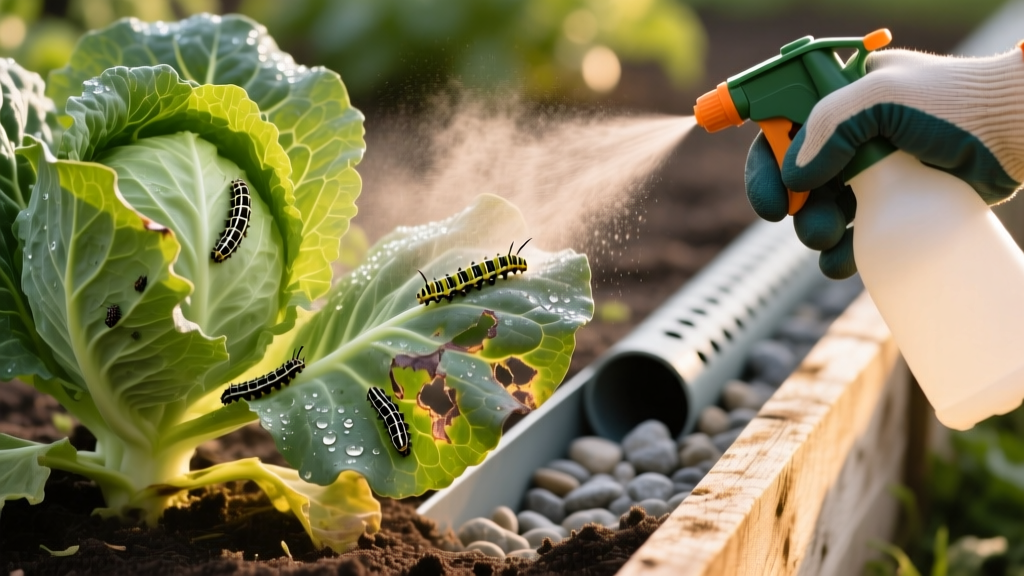
2026 Bt Kurstaki Guide: Cabbage Worm & Hornworm Control
Emily WatsonPublished
The Intersection of French Drain Installation and Pest Management
When homeowners undertake a major landscape renovation in 2026, French drain installation is often at the top of the list to combat waterlogged soil, protect foundations, and eliminate muddy yard patches. However, the process of trenching, laying perforated pipes, and backfilling with gravel and soil inevitably alters your garden's topography. The excavated, well-draining soil is frequently repurposed to create raised berms or elevated planting beds. These newly drained, oxygen-rich environments are absolute paradises for high-value crops like tomatoes, peppers, kale, and cabbage.
Unfortunately, these same crops are the primary targets for two of the most destructive caterpillars in the home garden: the tobacco/tomato hornworm and the imported cabbageworm. While your new French drain system expertly manages subsurface hydrology and prevents root rot, the vigorous plant growth it encourages will inevitably attract these voracious pests. Integrating Bacillus thuringiensis var. kurstaki (Bt kurstaki) into your 2026 Integrated Pest Management (IPM) strategy is the most effective, organic way to protect your newly bermed garden beds without harming the surrounding ecosystem.
Identifying Your Target: Cabbage Worms and Hornworms
Before applying any biological control, accurate identification is critical. Bt kurstaki is highly specific to the larval stages of Lepidoptera (butterflies and moths), meaning it will not harm beneficial insects like bees, ladybugs, or parasitic wasps.
The Imported Cabbageworm (Pieris rapae)
- Appearance: Velvety green caterpillars with a faint yellow stripe down the back, growing up to 1.5 inches long.
- Host Plants: Brassicas, including cabbage, kale, broccoli, cauliflower, and Brussels sprouts.
- Damage: They chew large, irregular holes in the leaves and often bore directly into the center of cabbage heads, leaving behind wet, green frass (excrement) that promotes fungal rot.
The Tomato and Tobacco Hornworms (Manduca sexta & Manduca quinquemaculata)
- Appearance: Massive, bright green caterpillars that can reach 4 inches in length, featuring diagonal white stripes and a prominent 'horn' on their rear end.
- Host Plants: Solanaceae family, primarily tomatoes, peppers, eggplants, and potatoes.
- Damage: They consume entire leaves overnight and can strip a tomato plant bare in a matter of days. They also chew deep gouges into the fruit.
The Science of Bt Kurstaki in 2026
Bt kurstaki is a naturally occurring soil bacterium that produces crystalline (Cry) proteins during sporulation. When a caterpillar ingests foliage treated with Bt kurstaki, the alkaline environment of its gut dissolves the protein crystals. The activated toxins then bind to specific receptors in the gut lining, creating pores that cause the digestive tract to paralyze and rupture. The caterpillar stops feeding within hours and dies within 2 to 3 days.
According to the Environmental Protection Agency (EPA), Bt is classified as a biochemical pesticide that is inherently low-risk to humans, mammals, birds, and aquatic life. Because the gut receptors required for the toxin to bind are only present in specific insect larvae, Bt kurstaki is a cornerstone of organic gardening and modern IPM protocols.
How Garden Drainage Affects Bt Efficacy
You might wonder how French drain installation relates to foliar sprays. In poorly drained gardens, heavy rains cause water to pool and splash mud onto the lower leaves of your plants. This mud splashback can physically wash away or bury Bt applications on the lower canopy, where cabbage worms often hide. Furthermore, waterlogged soil stresses plants, making them more susceptible to secondary bacterial and fungal infections that can mimic or compound pest damage.
By installing a French drain, you stabilize the soil moisture and eliminate standing water. This keeps the lower foliage cleaner and ensures that your Bt kurstaki applications adhere properly to the leaf surface without being immediately degraded by muddy splashback or prolonged, excessive humidity that can sometimes encourage the growth of competing, non-target fungi on the leaf surface.
Step-by-Step Bt Kurstaki Application Guide
To maximize the efficacy of Bt kurstaki in your newly drained garden beds, follow these application guidelines for the 2026 growing season:
- Monitor and Scout: Inspect your brassicas and nightshades twice a week. Look for the white butterflies (cabbage moths) hovering over your beds, or the dark green, pellet-like frass left by hornworms on tomato leaves.
- Timing is Everything: Bt kurstaki is highly susceptible to UV degradation. Always apply the spray in the late afternoon or early evening. This allows the spray to dry on the foliage overnight and provides maximum residual activity before the sun breaks down the proteins the following day.
- Mixing and Agitation: Follow the specific label instructions for your chosen product. Generally, you will mix 1 to 3 tablespoons of liquid Bt per gallon of water. Because Bt is a suspension of spores and crystals, you must shake your sprayer frequently during application to prevent the active ingredients from settling at the bottom of the tank.
- Thorough Coverage: Spray both the upper and lower surfaces of the leaves. Cabbage worms prefer to feed on the undersides of brassica leaves, while hornworms often hide on the interior stems and lower leaflets of tomato plants.
- Reapplication Schedule: Bt kurstaki breaks down in sunlight and washes off in heavy rain. Reapply every 5 to 7 days, or immediately after a significant rain event, even if your French drain system is efficiently moving water away from the root zone.
2026 Bt Kurstaki Product Comparison
The market for biological controls has expanded, offering formulations that include UV protectants and better leaf-sticking agents. Below is a comparison of the top Bt kurstaki products available for home gardeners in 2026.
| Product Name | Formulation | Active Ingredient Concentration | Best Use Case | Est. 2026 Price |
|---|---|---|---|---|
| Monterey B.t. | Liquid Suspension | 8.5% | Small raised beds and container gardens | $18.99 / 16 oz |
| Bonide Thuricide | Liquid Concentrate | 1.76% | Routine preventative spraying on brassicas | $14.50 / 8 oz |
| Dipel Pro DF | Dry Flowable Powder | 54.0% | Large properties, extensive tomato fields | $45.00 / 8 oz |
| Garden Safe B.t. | Ready-to-Spray Dust | 2.0% | Spot treatment on individual caterpillars | $11.99 / 4 oz |
Environmental Safety and Waterway Protection
One of the primary reasons gardeners install French drains is to manage runoff and direct excess water away from their property, sometimes toward municipal storm drains or local waterways. A common concern when applying pesticides near drainage systems is the potential for chemical contamination.
Fortunately, the National Pesticide Information Center (NPIC) confirms that Bt kurstaki is non-toxic to fish, aquatic invertebrates, and birds. Even if overspray or minor runoff from your garden beds enters your French drain system and is discharged into a local stream, it poses no ecological threat to aquatic ecosystems. However, as a best practice in 2026 IPM, always apply foliar sprays on calm days to minimize drift, and avoid spraying directly into the exposed gravel or catch basins of your drainage system to prevent unnecessary waste of the product.
Synergizing IPM with Hardscaping
Integrating biological controls like Bt kurstaki with structural landscape improvements like French drains represents the pinnacle of modern, holistic garden management. The French drain ensures your plants have the aerobic soil conditions necessary to develop thick, resilient cell walls, which can slightly deter early-stage caterpillar feeding. Meanwhile, Bt kurstaki provides a targeted, organic safety net that eliminates the pests that do manage to take a bite.
Additionally, maintaining the gravel and fabric of your French drain prevents the buildup of decaying organic matter near your planting berms, which can otherwise harbor alternative pest habitats or fungal spores. Keep your drain grates clear of fallen tomato leaves and brassica debris to ensure both your water management and pest management systems operate at peak efficiency.
Conclusion
As you enjoy the benefits of your newly installed French drain and the lush, vigorous growth of your elevated garden beds in 2026, remain vigilant against the inevitable arrival of cabbage worms and hornworms. By understanding the biology of these pests and leveraging the highly specific, environmentally safe properties of Bt kurstaki, you can protect your harvest without resorting to broad-spectrum synthetic chemicals. Proper timing, thorough coverage, and an appreciation for how your garden's hydrology impacts pest pressure will ensure your tomatoes and brassicas thrive from seedling to harvest.