Pest Control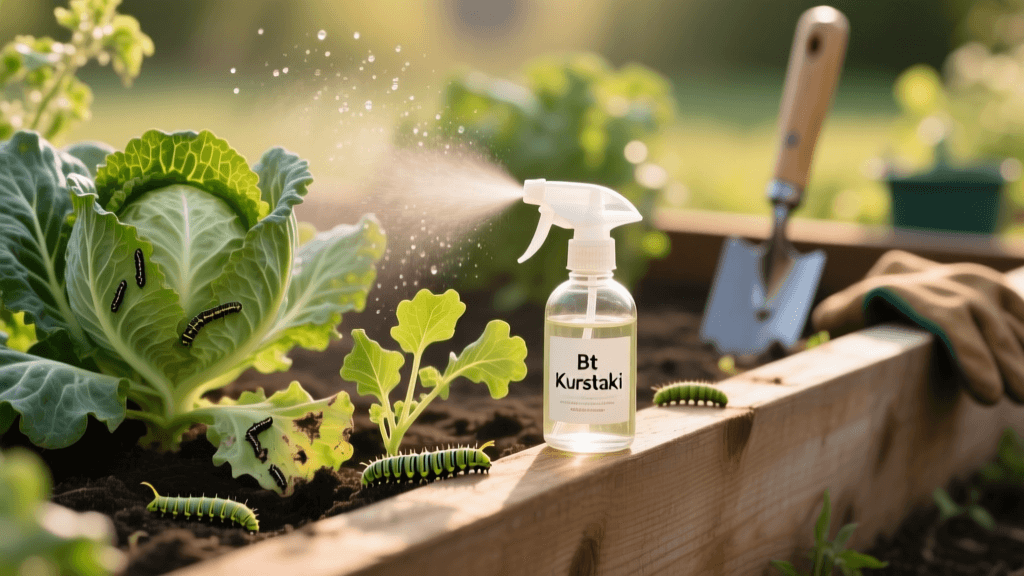
Bt Kurstaki for Cabbage Worms & Hornworms: 2026 Raised Bed Guide
The Ultimate Organic Defense for Raised Beds in 2026
Raised bed vegetable gardening continues to dominate home horticulture in 2026, offering superior soil control, drainage, and accessibility. However, the intensive planting methods used in raised beds also create a buffet for voracious caterpillars. When imported cabbageworms invade your densely packed brassicas or tomato hornworms defoliate your trellised solanaceae, the damage can be catastrophic within days. For organic raised bed gardeners, the gold standard for caterpillar control remains Bacillus thuringiensis var. kurstaki (Btk). This naturally occurring soil bacterium provides a highly targeted, environmentally safe, and devastatingly effective solution for managing Lepidoptera larvae without disrupting the delicate ecological balance of your garden.
What is Bt Kurstaki (Btk) and How Does It Work?
Btk is a specific strain of the Bacillus thuringiensis bacterium that produces crystalline proteins (Cry proteins) during its sporulation phase. When a susceptible caterpillar ingests foliage treated with Btk, the alkaline environment of its digestive tract dissolves the crystal. The released toxins then bind to specific receptors in the insect's gut lining, creating pores that cause the gut wall to rupture.
Within hours of ingestion, the caterpillar's digestive system is paralyzed, and it stops feeding entirely. While the insect may remain on the plant for a day or two, the damage to your crops ceases almost immediately. According to the Environmental Protection Agency (EPA), Bt is highly specific to target insects and poses no known risks to humans, pets, birds, or beneficial insects like bees and ladybugs, making it a cornerstone of modern Integrated Pest Management (IPM).
Identifying the Culprits in Your Raised Beds
Before reaching for your sprayer, proper identification is crucial, as Btk is only effective against caterpillars (Lepidoptera) and will not harm beetles, aphids, or true bugs.
- Imported Cabbageworm (Pieris rapae): Velvety green caterpillars that blend seamlessly into kale, cabbage, and broccoli leaves. Look for irregular holes in the leaves and dark green, pellet-like frass (droppings) deep in the plant canopy.
- Cabbage Looper (Trichoplusia ni): Pale green with white stripes, moving in a distinct "looping" motion. They are notorious for hiding on the undersides of lower leaves in dense raised bed plantings.
- Tomato/Tobacco Hornworms (Manduca spp.): Massive, bright green caterpillars with diagonal white stripes and a prominent "horn" on their rear. A single hornworm can strip a raised bed tomato plant of its leaves overnight. Look for large, dark green droppings the size of small pebbles on the soil surface.
Top Btk Products for Raised Beds in 2026
The 2026 market offers several highly refined Btk formulations tailored for home gardeners and small-scale market growers. Choosing the right formulation depends on your spraying equipment and the size of your raised bed setup.
| Product Name | Formulation | Mix Rate (per Gallon) | Best Use Case | Rainfastness |
|---|---|---|---|---|
| Monterey B.t. Insect Spray | Liquid Suspension | 1.5 fl oz | Small raised beds, ready-to-use hose-end sprayers | 12-24 hours |
| Thuricide Bt Caterpillar Killer | Liquid Concentrate | 1.5 fl oz | Standard pump sprayers, weekly maintenance | 12-24 hours |
| Dipel DF (Dry Flowable) | Powder (WG) | 0.5 to 1 tsp | Large raised bed arrays, commercial organic plots | 24-48 hours (with sticker) |
Note: Dipel DF is highly favored by advanced organic gardeners in 2026 due to its extended shelf life and superior UV-resistance compared to liquid formulations, though it requires thorough agitation in the spray tank to prevent settling.
Step-by-Step Application Guide for Raised Beds
Applying Btk in a raised bed environment requires strategic timing and thorough coverage. Because raised beds often feature intensive, overlapping plant canopies, ensuring the product reaches the target feeding zones is critical.
1. Timing is Everything (The Dusk Rule)
Btk is highly susceptible to ultraviolet (UV) degradation. Sunlight can neutralize the active proteins on leaf surfaces within 24 to 48 hours. Always apply Btk in the late evening or at dusk. This allows the caterpillars, which often feed heavily at night, to ingest the bacteria before the sun breaks down the residue.
2. Target the Undersides
Both cabbageworms and loopers prefer to feed and rest on the undersides of leaves. When spraying your raised bed brassicas, use a pump sprayer with an adjustable nozzle to spray upward, ensuring the leaf undersides are thoroughly coated. For hornworms, focus on the upper and middle canopy of your trellised tomatoes and peppers.
3. Use a Spreader-Sticker
Many brassicas (like kale and cabbage) have a waxy, hydrophobic leaf cuticle that causes water-based sprays to bead up and roll off. Adding an organic spreader-sticker (such as a non-ionic surfactant or a few drops of pure castile soap) to your tank mix ensures the Btk adheres to the foliage, maximizing ingestion by the pests.
4. Reapplication Schedule
Because Btk degrades in sunlight and washes off in the rain, you must reapply every 7 to 10 days during peak caterpillar seasons (typically late spring and early fall). If your raised beds receive more than 0.5 inches of rain or overhead irrigation, an immediate reapplication is necessary.
Maximizing Efficacy in Raised Bed Microclimates
Raised beds create unique microclimates. The soil warms faster in the spring, which can accelerate the life cycle of pests like the cabbage looper. Furthermore, many raised bed gardeners utilize drip irrigation, which is actually highly beneficial when using Btk. Because drip lines deliver water directly to the soil, the Btk residue on the foliage remains undisturbed, unlike overhead sprinklers which will wash the bacteria away.
If you use seasonal hoop houses or row covers over your raised beds to extend the growing season, Btk efficacy is dramatically increased. The physical barrier of the row cover protects the Btk spray from UV radiation and heavy rain, allowing a single application to remain active on the leaves for up to two weeks. Penn State Extension notes that combining physical barriers with targeted microbial sprays represents the pinnacle of modern organic IPM strategies.
Safety, Beneficial Insects, and Harvest Intervals
One of the greatest advantages of Btk in a diverse raised bed garden is its absolute safety for non-target organisms. Raised beds often serve as habitats for beneficial predators like parasitic wasps (such as Cotesia congregata, which famously parasitizes hornworms), ladybugs, lacewings, and pollinators. Btk does not harm these allies because they lack the specific alkaline gut pH and receptor sites required for the Cry proteins to activate.
Furthermore, Btk has a zero-day Pre-Harvest Interval (PHI) on most crops. This means if you discover a cabbage worm infestation on your broccoli the day before you plan to harvest, you can safely spray the Btk, harvest the next morning, and consume the produce after a standard wash. There are no toxic chemical residues to worry about, making it the safest possible choice for families growing food in backyard raised beds.
Integrating Btk into a Holistic 2026 IPM Strategy
While Btk is a miraculous tool, it should not be your only line of defense. A robust 2026 IPM strategy for raised beds includes:
- Crop Rotation: Never plant brassicas or solanaceae in the same raised bed soil two years in a row to disrupt the life cycle of overwintering pupae.
- Hand-Picking: For hornworms, their massive size makes hand-picking highly effective. Drop them into a bucket of soapy water. If you see a hornworm covered in white, rice-like cocoons, leave it alone! Those are parasitic wasp larvae that will hatch and decimate the local hornworm population.
- Companion Planting: Interplanting aromatic herbs like dill, thyme, and oregano in your raised beds attracts predatory wasps and tachinid flies, which naturally prey on caterpillar larvae.
Conclusion
As we navigate the 2026 growing season, Bacillus thuringiensis var. kurstaki remains an indispensable tool for the organic raised bed gardener. By understanding the biology of your target pests, applying the product strategically at dusk, and utilizing spreader-stickers for waxy leaves, you can protect your tomatoes, peppers, and brassicas from devastating defoliation. Embrace Btk as a targeted, ecologically sound scalpel in your pest management toolkit, ensuring your raised beds remain productive, vibrant, and teeming with beneficial life.