Pest Control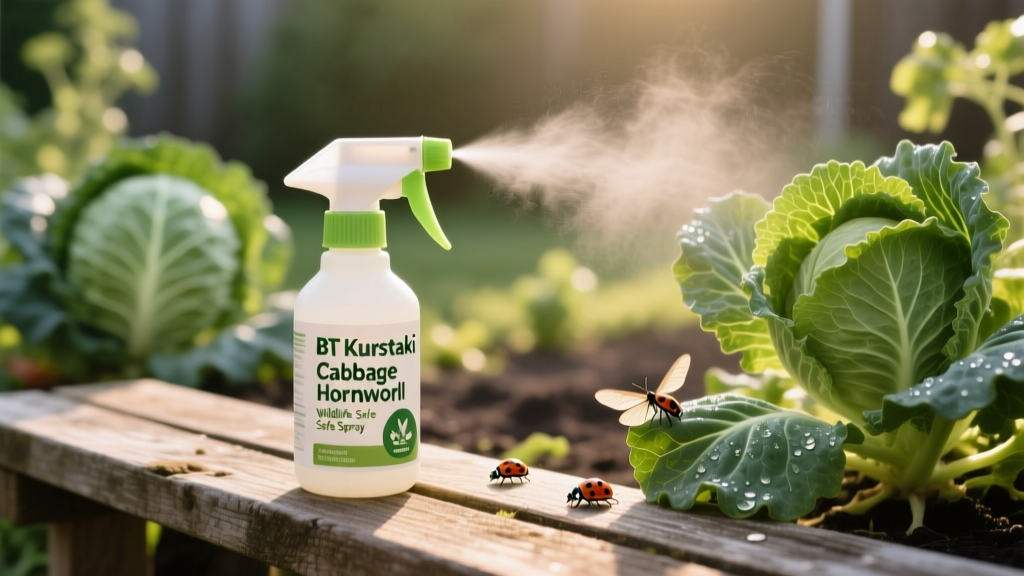
2026 BT Kurstaki Guide: Safe Cabbage & Hornworm Control
Sarah ChenPublished
The Shift Toward Wildlife-Centric Pest Management in 2026
As home gardeners and land managers move deeper into 2026, the paradigm of pest control has shifted dramatically. The modern approach to yard ecology prioritizes wildlife management, recognizing that a healthy garden is part of a broader local food web. When devastating foliar pests like the imported cabbageworm and the tomato hornworm invade our vegetable patches, the instinctive reaction of the past was to reach for broad-spectrum synthetic chemicals. Today, we know that those chemicals devastate local bird populations, amphibians, and beneficial insects. Instead, the gold standard for targeted, wildlife-safe intervention is Bacillus thuringiensis var. kurstaki, commonly known as Btk.
From a wildlife management perspective, Btk is a biological marvel. It allows us to eradicate specific agricultural pests while leaving the rest of the backyard ecosystem entirely untouched. In this comprehensive 2026 guide, we will explore the science of Btk, how to identify your target pests, and the precise application methods required to protect your brassicas and nightshades without harming a single bird, frog, or pollinator in your yard.
The Science of Bacillus thuringiensis var. kurstaki (Btk)
Btk is a naturally occurring soil bacterium that produces crystalline proteins (Cry proteins) during its sporulation phase. According to the United States Environmental Protection Agency (EPA), these proteins are completely inert to humans, pets, wildlife, and most insects. The magic of Btk lies in its extreme specificity. The Cry proteins only activate in highly alkaline environments with specific enzymatic receptors.
When a susceptible caterpillar consumes foliage treated with Btk, the alkaline pH of its midgut dissolves the protein crystal. The activated toxin then binds to specific receptor sites on the gut wall, creating pores that cause the digestive tract to rupture. The caterpillar stops feeding within hours and dies within two to three days. Because birds, mammals, and beneficial insects like bees and ladybugs have acidic stomachs and lack these specific gut receptors, Btk passes through their systems without causing any harm whatsoever.
Identifying the Culprits: Cabbage Worms and Hornworms
Before deploying any biological control, proper identification is critical. Btk is exclusively effective against the larval stage of Lepidoptera (moths and butterflies). It will not work on beetles, aphids, or true bugs.
Imported Cabbageworm (Pieris rapae)
The imported cabbageworm is the velvety green larva of the common white cabbage butterfly. These pests are notorious for skeletonizing brassicas, including kale, broccoli, cabbage, and cauliflower. They feed heavily on the inner leaves and often bore directly into the heads of cabbage, leaving behind massive amounts of frass (caterpillar excrement). Because the adult butterflies are active during the day, you will often see them fluttering around your garden, signaling that egg-laying is underway.
Tomato and Tobacco Hornworms (Manduca quinquemaculata / Manduca sexta)
Hornworms are the massive, camouflage-green larvae of sphinx moths. As detailed by the University of California Statewide Integrated Pest Management Program, these caterpillars can grow up to four inches long and possess a distinctive 'horn' on their posterior end. Tomato hornworms feature V-shaped white markings along their sides, while tobacco hornworms display diagonal white stripes. A single hornworm can strip an entire tomato or pepper plant of its leaves overnight, and their dark, pellet-like droppings on lower leaves are often the first sign of an infestation.
The Wildlife Management Perspective: Why Btk Wins
For those managing yard wildlife, the choice of pest control dictates the survival of local fauna. Broad-spectrum insecticides, such as pyrethroids and organophosphates, do not discriminate. They kill the caterpillars that serve as crucial protein sources for nesting songbirds, and they poison the insects that amphibians rely on. Furthermore, chemical runoff can contaminate local waterways, affecting fish and aquatic invertebrates.
Btk eliminates these collateral damage risks. Below is a comparison of how Btk stacks up against traditional chemical sprays regarding wildlife and ecological impact.
| Ecological Factor | Btk (Bacillus thuringiensis var. kurstaki) | Broad-Spectrum Pyrethroids |
|---|---|---|
| Impact on Backyard Birds | None. Safe if birds ingest treated caterpillars. | High. Toxic directly; starves nestlings by killing all insects. |
| Impact on Pollinators (Bees) | None. Bees do not consume foliage or Btk spores. | Severe. Highly toxic to bees on contact and via residue. |
| Impact on Soil Amphibians | None. Harmless to frogs, toads, and salamanders. | Moderate to High. Can cause endocrine disruption. |
| Impact on Mammals (Pets/Wildlife) | None. Digestive acids neutralize the protein. | Moderate. Neurotoxic to mammals in high doses. |
| Soil Microbiome Health | Neutral/Beneficial. Bt is a natural soil organism. | Destructive. Kills beneficial soil arthropods. |
Step-by-Step Btk Application Guide for 2026
To maximize the efficacy of Btk while maintaining your yard's ecological balance, follow these updated application protocols for the 2026 gardening season.
1. Timing and Weather Conditions
Because Btk must be ingested to work, it needs to be applied to the foliage where the caterpillars are actively feeding. The best time to spray is in the late afternoon or early evening. This timing avoids the peak UV radiation of midday, which can degrade the bacterial spores on the leaf surface. Modern 2026 formulations often include natural UV protectants, but minimizing direct sun exposure post-application still extends the residual life of the spray to about 5 to 7 days. Never spray if rain is forecast within the next 12 hours, as Btk is easily washed off the leaves.
2. Mixing Ratios and Equipment
Btk is available in both liquid concentrate and wettable powder forms. For liquid concentrates (such as Monterey B.t. or Thuricide), the standard mixing ratio for severe hornworm and cabbageworm infestations is 2 to 3 tablespoons per gallon of water. For preventative maintenance, 1.5 tablespoons per gallon is sufficient. Always use a dedicated pump sprayer that has never held synthetic herbicides to avoid cross-contamination. Shake the sprayer frequently during application, as the bacterial spores can settle at the bottom of the tank.
3. Application Technique and Coverage
Thorough coverage is non-negotiable. Cabbageworms often hide deep within the whorls of brassica plants, and hornworms tend to feed on the undersides of tomato leaves and along the main stems. Spray the tops and bottoms of all leaves until the point of runoff. For tall, indeterminate tomato plants, use a wand attachment to reach the upper canopy. According to the National Pesticide Information Center (NPIC), reapplication is necessary every 5 to 7 days, or immediately after heavy rainfall, to ensure continuous protection during the pest's active life cycle.
Protecting Non-Target Lepidoptera
While Btk is safe for vertebrates and most insects, it is crucial to remember that it does not distinguish between a pest caterpillar and a beneficial butterfly larva. If you are cultivating host plants for native butterflies—such as milkweed for Monarchs or parsley for Black Swallowtails—you must avoid spraying Btk on those specific plants. In a diverse yard ecosystem, spatial awareness is key. Target your Btk applications strictly to your food crops and ornamental brassicas, leaving native weed patches and butterfly host plants completely unsprayed to support local pollinator populations.
Post-Application Wildlife Observations
One of the most rewarding aspects of using Btk from a wildlife management perspective is observing the natural food chain in action. After a caterpillar ingests Btk, it becomes lethargic, stops feeding, and often changes color, turning dark brown or black as its internal tissues break down. During this vulnerable state, the paralyzed caterpillars are easily spotted and consumed by foraging birds. Chickadees, wrens, and robins will readily eat these dying caterpillars. Because the Btk toxin is entirely harmless to vertebrates, the birds receive a safe, protein-rich meal, effectively turning your pest problem into a resource for local avian wildlife.
Top OMRI-Listed Btk Products in 2026
When shopping for Btk this season, look for products that carry the OMRI (Organic Materials Review Institute) seal, ensuring they are free from synthetic adjuvants that could harm aquatic life. In 2026, a standard 16-ounce bottle of liquid Btk concentrate typically retails between $18 and $28, providing enough solution to treat a large home garden multiple times throughout the season. Brands like Monterey B.t., Garden Safe B.t., and Dipel Dust (for those who prefer dry applications on wet foliage) remain the industry standards, offering reliable spore counts and excellent shelf stability when stored in a cool, dark place.
Conclusion
Managing cabbage worms and hornworms no longer requires sacrificing the health of your local ecosystem. By utilizing Bacillus thuringiensis var. kurstaki, you deploy a highly effective, naturally occurring biological agent that respects the delicate balance of your yard's wildlife. As we continue to refine our gardening practices in 2026, embracing targeted, science-backed solutions like Btk ensures that our harvests remain abundant, our soils remain healthy, and our backyard birds and pollinators continue to thrive.