Pest Control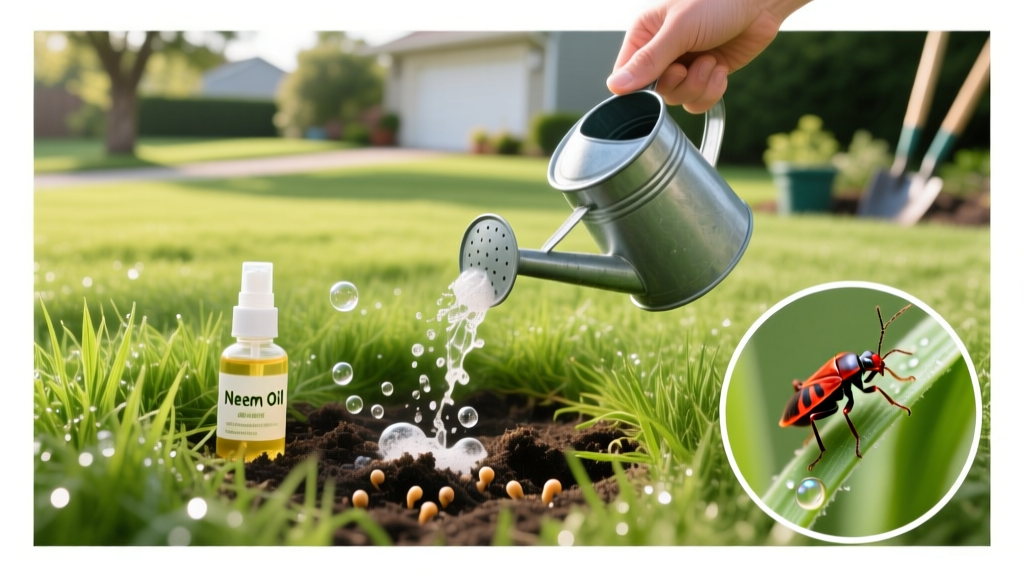
Budget DIY Lawn Pest Control for Grubs and Chinch Bugs
Emily WatsonPublished
Introduction to Budget-Friendly Lawn Pest Control
When brown patches begin to spread across your once-lush turf, the immediate instinct is to call a professional lawn care service or rush to the garden center to buy expensive, synthetic chemical granules. Professional pest control treatments can easily cost between $150 and $300 per visit, while commercial chemical pesticides often carry hidden environmental costs and require specialized application equipment. However, as a homeowner committed to integrated pest management (IPM), you have a powerful, highly effective alternative at your disposal: budget-friendly DIY solutions.
Two of the most destructive and common lawn pests in North America are white grubs and chinch bugs. Left unchecked, grubs will devour your lawn's root system, causing the turf to roll back like a carpet, while chinch bugs will suck the life out of your grass blades, leaving behind yellow, dead patches. Fortunately, you can diagnose, treat, and prevent these pests using household items and affordable biological controls. This guide will walk you through exact measurements, application timings, and cost-saving strategies to reclaim your lawn without breaking the bank.
Identifying the Culprits: Grubs vs. Chinch Bugs
Before mixing any solutions, accurate identification is crucial. Applying a grub treatment to a chinch bug infestation is a waste of time and money.
White Grubs
Grubs are the larval stage of various beetles, including Japanese beetles and June bugs. They live just beneath the soil surface and feed on grassroots. Signs of a grub infestation include irregular brown patches of dead grass that feel spongy when walked upon. The ultimate test is the tug test: if you grab a handful of dead grass and it pulls up effortlessly with no roots attached, grubs are likely the culprit. Furthermore, an increase in birds, skunks, or raccoons digging up your lawn is a massive indicator of a grub buffet beneath the soil.
Chinch Bugs
Chinch bugs are tiny, surface-dwelling insects that pierce grass blades and suck out the plant juices, simultaneously injecting a toxin that kills the grass. They thrive in hot, dry conditions and often target St. Augustinegrass, Kentucky bluegrass, and fescues. Signs of chinch bugs include yellowing grass that quickly turns brown, typically starting in sunny, south-facing areas near driveways or sidewalks where the soil is hottest and driest.
The Magic of the Soapy Water Drench (Diagnostic Tool)
The most cost-effective diagnostic tool in your IPM arsenal costs less than a dollar: the soapy water drench. This method forces hidden pests to the surface, allowing you to accurately count them and determine if the population has reached an actionable threshold.
How to Make and Apply a Soapy Drench
- The Recipe: Mix 2 tablespoons of liquid dish soap (standard Dawn or Palmolive works perfectly) into 1 gallon of water.
- Application: Mark off a 1-yard by 1-yard square (9 square feet) at the edge of a damaged area where healthy and dead grass meet.
- The Pour: Slowly pour the soapy mixture evenly over the marked square. The soap irritates the insects' exoskeletons and disrupts their breathing, forcing them to the surface.
- The Count: Wait 10 to 15 minutes. Count the number of grubs or chinch bugs that emerge.
Thresholds for Action: According to turfgrass entomologists, treating for grubs is generally only necessary if you find 10 or more grubs per square foot. For chinch bugs, the threshold is typically 20 to 25 insects per square foot. If your counts are below these numbers, your lawn can likely recover on its own with proper watering, saving you the cost of any treatment.
Budget DIY Treatment for Chinch Bugs: Neem Oil
If your soapy drench confirms a chinch bug infestation exceeding the threshold, skip the expensive synthetic pesticides. Cold-pressed Neem oil is a budget-friendly, organic botanical insecticide that disrupts the life cycle of chinch bugs by acting as an antifeedant and hormone disruptor.
Neem Oil Application Guide
- Cost: A 16 oz bottle of 100% cold-pressed neem oil concentrate costs roughly $15 to $20 online or at garden centers. This single bottle can make up to 30 gallons of spray, treating thousands of square feet for pennies per application.
- The Recipe: Mix 1 ounce of cold-pressed neem oil and 1 teaspoon of mild liquid soap (as an emulsifier) into 1 gallon of warm water. Shake vigorously.
- Timing: Apply the mixture using a standard pump sprayer in the late afternoon or early evening. Neem oil degrades rapidly in direct UV sunlight, and evening application ensures maximum contact time while protecting pollinators like bees, which are not active at dusk.
- Frequency: Spray the affected areas and a 3-foot buffer zone every 7 to 14 days until the infestation is controlled. Ensure the spray penetrates the thatch layer where chinch bugs hide.
Budget DIY Treatment for Grubs: Beneficial Nematodes
While milky spore is a famous long-term DIY grub control, it can take up to three years to establish. For immediate, budget-friendly, and organic grub eradication, beneficial nematodes are the gold standard. These microscopic, soil-dwelling worms actively hunt down and destroy grub larvae.
According to the Environmental Protection Agency (EPA), beneficial nematodes are highly effective, safe for humans and pets, and leave no toxic residue in the soil. For grub control, you must specifically purchase the Heterorhabditis bacteriophora (Hb) strain.
Nematode Application Strategy
- Cost: A package containing 10 million nematodes costs approximately $30 to $40 and treats roughly 3,000 square feet. While slightly more expensive than a bottle of neem oil, it is vastly cheaper than hiring a professional or buying multiple bags of synthetic chemical granules.
- Preparation: Nematodes are living organisms. They must be kept refrigerated until use and applied before their expiration date.
- Application: Mix the nematodes in a watering can or hose-end sprayer with cool, distilled water (chlorine in tap water can kill them). Apply to moist soil in the early morning or evening.
- Post-Application: Water the lawn immediately after application to wash the nematodes into the soil zone where grubs feed. Keep the soil consistently moist for the next 10 days to ensure the nematodes survive and hunt effectively.
Research from the University of California Statewide Integrated Pest Management Program confirms that when applied during the late summer or early fall when grub larvae are small and actively feeding near the surface, nematodes can achieve control rates comparable to traditional chemical insecticides.
Cost Comparison: Professional vs. Store-Bought vs. DIY
Understanding the financial impact of your pest control choices highlights the value of the DIY IPM approach. Below is a comparison based on treating a standard 5,000 square foot lawn.
| Treatment Method | Estimated Cost (5,000 sq ft) | Environmental Impact | Ease of Application |
|---|---|---|---|
| Professional Chemical Service | $150 - $250 | High (Synthetic residuals) | Effortless |
| Store-Bought Synthetic Granules | $40 - $70 | Moderate to High | Moderate (Requires spreader) |
| DIY Neem Oil (Chinch Bugs) | $8 - $12 | Low (Organic, breaks down fast) | Moderate (Requires pump sprayer) |
| DIY Beneficial Nematodes (Grubs) | $50 - $65 | Zero (Beneficial biology) | Easy (Hose-end sprayer) |
| Soapy Water Drench (Diagnostic) | $0.10 | None | Very Easy |
Free Cultural Controls to Prevent Future Outbreaks
The most budget-friendly pest control method is prevention. Pests target weak, stressed turf. By implementing free cultural practices, you make your lawn inherently resistant to severe damage.
- Mow High: Set your mower deck to 3 or 4 inches. Taller grass shades the soil, keeping it cool and moist. Chinch bugs despise cool, shaded environments, and tall grass promotes deeper root systems that can withstand minor grub feeding.
- Deep, Infrequent Watering: Water your lawn deeply once or twice a week rather than giving it a light sprinkle every day. Frequent, shallow watering encourages shallow root growth and creates the perfect humid, thatch-level environment for chinch bugs to breed.
- Thatch Management: A thatch layer thicker than half an inch acts as a protective shield for chinch bugs and prevents nematodes from reaching the soil. Rake your lawn vigorously in the spring or rent a mechanical dethatcher to keep the soil line exposed and healthy.
As noted by turfgrass experts at the University of Kentucky Department of Entomology, maintaining proper irrigation and reducing thatch buildup are critical components of managing hairy chinch bug populations without relying solely on insecticides.
Conclusion
Budget-friendly DIY lawn pest control is not about cutting corners; it is about working smarter and utilizing integrated pest management principles. By leveraging the diagnostic power of a soapy water drench, the botanical disruption of neem oil, and the biological warfare of beneficial nematodes, you can effectively eradicate grubs and chinch bugs. You will save hundreds of dollars over a single season, protect your local ecosystem from synthetic chemical runoff, and cultivate a thicker, healthier lawn that can defend itself for years to come.