Pest Control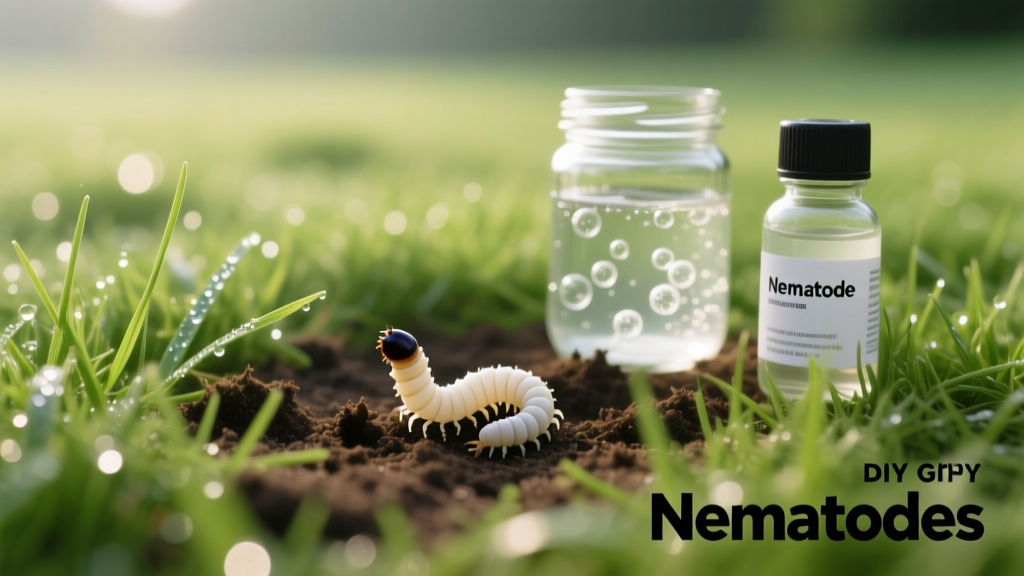
Budget-Friendly DIY White Grub Control for Home Lawns
Mike RodriguezPublished
Introduction to White Grubs and Lawn Damage
White grubs are the larval stage of various scarab beetles, including Japanese beetles, June bugs, and European chafers. These C-shaped, creamy-white larvae feast on grassroots, severing the turf from its root system. The result is spongy, brown patches of grass that can be rolled back like a carpet. While professional exterminators and commercial chemical treatments can cost hundreds of dollars, homeowners can effectively manage white grub populations using budget-friendly, do-it-yourself integrated pest management (IPM) strategies. By combining free detection methods, low-cost biological controls, and smart cultural practices, you can protect your lawn without draining your wallet.
Step 1: The Budget-Friendly Soap Flush Test
Before spending a dime on treatments, you must confirm that grubs are actually the culprit behind your dying grass. Drought stress, fungal diseases, and dog urine can mimic grub damage. The most cost-effective way to diagnose a grub infestation is the DIY soap flush test.
How to Perform a Soap Flush
- Mix two tablespoons of standard liquid dish soap (lemon or plain scented works best) into one gallon of water.
- Mark off a one-square-yard area of your lawn where the healthy green grass meets the brown, damaged grass (the active feeding zone).
- Pour the soapy water evenly over the marked square yard.
- Wait 10 to 15 minutes. The soap irritates the grubs' soft bodies and disrupts their breathing, forcing them to the surface.
- Count the grubs. If you find more than 5 to 10 grubs per square foot, treatment is necessary. If you find fewer, your lawn can likely recover on its own with proper watering.
Step 2: Timing is Everything (The Grub Life Cycle)
To maximize a tight budget, you must apply treatments when grubs are most vulnerable. According to University of Kentucky Entomology, white grubs follow a predictable annual life cycle. Adult beetles lay eggs in the soil during mid-summer (July and August). These eggs hatch into tiny, first-instar grubs in late summer and early fall. This is the optimal window for budget-friendly biological treatments, as the young grubs are small, actively feeding near the surface, and highly susceptible to natural predators. By the time winter arrives, grubs burrow deep into the soil to hibernate, making any surface-applied DIY treatments completely ineffective and a waste of money.
Step 3: Biological Warfare on a Budget (Beneficial Nematodes)
When chemical pesticides are too expensive or undesirable, beneficial nematodes offer a highly effective, organic, and budget-conscious alternative. Nematodes are microscopic, unsegmented worms that naturally occur in soil. Specific species, such as Heterorhabditis bacteriophora (Hb), actively hunt down and infect white grubs, releasing bacteria that kill the pest within 48 hours.
Penn State Extension notes that when applied correctly, beneficial nematodes can achieve grub mortality rates comparable to synthetic chemical pesticides. A package containing millions of Hb nematodes typically costs between $30 and $50, which is enough to treat up to 3,000 square feet of lawn—fractionally cheaper than hiring a professional service.
Application Rules for Nematodes
To ensure your investment doesn't die on the lawn, follow these strict application rules:
- Buy Fresh and Store Cold: Nematodes are living organisms. Buy them from a reputable supplier who ships them in coolers, and store them in your refrigerator immediately upon arrival.
- Apply at Dusk or on Cloudy Days: UV light from the sun will kill nematodes on contact. Always apply them in the late evening.
- Moisture is Mandatory: Water your lawn thoroughly before application, and water again immediately after to wash the nematodes off the grass blades and into the soil where the grubs live. Keep the soil moist for the next 7 to 10 days.
Step 4: Free Cultural Controls for Prevention
The best pest control is the one you don't have to pay for. Modifying your lawn care habits can make your yard highly unattractive to egg-laying female beetles.
- Mow High: Set your mower deck to 3.5 or 4 inches. Tall grass shades the soil, keeping it cooler and more moist at the surface level, which discourages beetles from laying eggs. Furthermore, a deeper root system can tolerate more grub feeding without showing visible damage.
- Water Deeply and Infrequently: Grub eggs require consistent topsoil moisture to survive and hatch. By watering your lawn deeply (1 inch per week) but infrequently (once or twice a week), you allow the top layer of soil to dry out between waterings, effectively killing off newly laid eggs before they hatch.
Cost Comparison: DIY vs. Professional Grub Control
Understanding the financial breakdown helps illustrate why DIY IPM is the superior choice for budget-conscious homeowners.
| Method | Estimated Cost (per 3,000 sq ft) | Effectiveness | Environmental Impact |
|---|---|---|---|
| DIY Soap Flush (Detection) | $0.50 (Dish Soap) | N/A (Diagnostic) | None |
| DIY Beneficial Nematodes | $35.00 - $50.00 | High (if timed right) | Positive (Organic) |
| Store-Bought Chemical Preventative | $45.00 - $65.00 | High | Moderate to High |
| Professional Lawn Service | $150.00 - $300.00+ | High | Moderate to High |
Integrating IPM Principles for Long-Term Success
The Environmental Protection Agency (EPA) champions Integrated Pest Management (IPM) as a sustainable approach to pest control. IPM focuses on long-term prevention through a combination of biological control, habitat manipulation, and cultural practices. Chemical or biological treatments are used only as a last resort when monitoring indicates they are needed. By utilizing the soap flush test to monitor, employing nematodes for targeted biological control, and adjusting your mowing and watering habits, you are practicing textbook IPM.
"IPM is an effective and environmentally sensitive approach to pest management that relies on a combination of common-sense practices. It uses current, comprehensive information on the life cycles of pests and their interaction with the environment." — EPA
Step 5: Budget-Friendly Lawn Recovery
If grubs have already destroyed sections of your lawn, reseeding is necessary. Instead of buying expensive sod, opt for DIY overseeding. Rake away the dead grass and loosen the top inch of soil. Spread a thin layer of compost (often available for free from municipal recycling centers) and broadcast a shade-tolerant or drought-resistant grass seed blend. Keep the area consistently moist until the new grass reaches three inches. Tall fescue is a highly recommended, budget-friendly seed choice because its deep root system makes it naturally more resilient to minor grub feeding.
Frequently Asked Questions
Do home remedies like milky spore work?
Milky spore (Paenibacillus popilliae) is a naturally occurring bacterium that targets Japanese beetle grubs. While it can provide long-term control (lasting 10-15 years once established), it is highly specific to Japanese beetles and will not control other common grubs like European chafers. Furthermore, it can take 2 to 3 years to build up in the soil, making it a poor choice for immediate, budget-friendly relief of an active infestation.
Can I use Epsom salts or boiling water to kill grubs?
While boiling water will kill grubs, it will also instantly destroy your turfgrass and soil microbiome, leaving you with a barren patch of dirt. Epsom salts (magnesium sulfate) do not kill grubs; in fact, adding excessive salts to your soil can cause nutrient lockout and severely damage your lawn's root system. Stick to scientifically proven methods like nematodes and soap flushes.
How do I attract natural grub predators for free?
Birds, particularly starlings, robins, and crows, are voracious grub eaters. You can encourage natural predation by avoiding broad-spectrum chemical pesticides that harm the broader ecosystem. While a flock of birds might tear up a small patch of grass while hunting, their appetite for grubs provides a completely free, natural biological control mechanism that aligns perfectly with IPM strategies.