Pest Control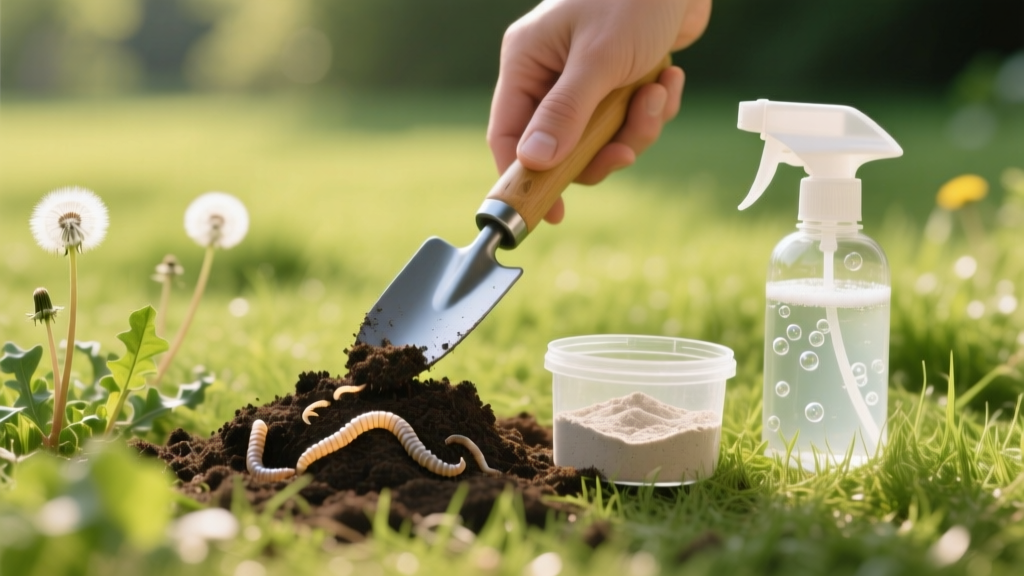
Budget-Friendly DIY Grub Control for a Healthy Lawn
James MillerPublished
White grubs are the larval stage of various scarab beetles, including Japanese beetles, June bugs, and European chafers. These subterranean pests feed aggressively on grassroots, leading to spongy turf, irregular brown patches, and increased vulnerability to drought and secondary pests like skunks and crows. When homeowners spot this damage, the immediate instinct is often to purchase expensive, broad-spectrum chemical pesticides containing active ingredients like imidacloprid or trichlorfon. These commercial products can cost upwards of $60 to $100 per application, require strict safety precautions, and indiscriminately harm beneficial soil ecology.
However, effective pest management does not require a massive budget or harsh synthetic chemicals. By leveraging Integrated Pest Management (IPM) principles, you can utilize biological controls, cultural practices, and free diagnostic tools to eradicate grubs. This budget-friendly DIY approach not only saves you hundreds of dollars over time but also maintains a safer yard for your pets, children, and local pollinators.
The Free DIY Soapy Flush: Diagnose Before You Spend
Never spend a dime on pest control until you have positively identified the enemy. Brown patches in your lawn can easily be mistaken for drought stress, fungal diseases, or dog urine damage. According to Penn State Extension, the 'tug test' and the soapy flush are the gold standards for DIY lawn diagnosis.
To perform the 'tug test', simply grab a handful of grass at the edge of a brown patch and pull gently. If the turf rolls back like a loose carpet with no roots attached, grubs have likely severed the root system. To confirm and count the pests, use the DIY Soapy Flush method:
- The Recipe: Mix 2 tablespoons of liquid dish soap (such as Dawn or Palmolive) into 1 gallon of water.
- The Application: Mark off a 3-foot by 3-foot area (1 square yard) at the margin of the damaged zone where the grass is still slightly green. Drench the soil with the soapy solution.
- The Observation: Wait 10 minutes. The soap irritates the grubs' skin and disrupts their breathing, forcing them to the surface.
Count the grubs that emerge. The economic threshold for treatment is generally 8 to 10 grubs per square foot. If you see fewer than 8, your lawn's root system is robust enough to naturally outgrow the damage without any intervention. If you exceed the threshold, it is time to deploy budget-friendly biological controls.
DIY Treatment 1: Beneficial Nematodes (Biological Warfare)
Beneficial nematodes are microscopic, unsegmented roundworms that naturally hunt and destroy soil-dwelling pests. For white grubs, the specific species you need is Heterorhabditis bacteriophora (often labeled as Hb nematodes). Unlike chemical pesticides that leave toxic residues, nematodes are 100% safe for humans, pets, earthworms, and above-ground beneficial insects.
The Budget Breakdown
A commercial chemical grub killer might cost $65 and cover 5,000 square feet, but it requires strict safety protocols and repeated seasonal applications to maintain efficacy. In contrast, you can purchase a sponge containing 10 million live Hb nematodes online or at specialty garden centers for about $35 to $45, which also treats up to 5,000 square feet. While the upfront cost is comparable, nematodes offer a unique financial advantage: they reproduce inside the dead grubs, releasing hundreds of thousands of new nematodes into your soil. This effectively compounds your investment, providing residual control that chemicals cannot match.
How to Apply Nematodes for Maximum Efficacy
- Timing is Everything: Apply in late summer or early fall (late August through September) when grubs are young, small, and actively feeding near the soil surface.
- Protect from UV: Nematodes are highly sensitive to ultraviolet light and will die if exposed to direct sunlight. Apply them in the early evening or on a heavily overcast day.
- Moisture is Key: Water the lawn thoroughly before application. Mix the nematode sponge in a bucket of cool (not hot) distilled water, let it sit for 5 minutes to activate, and apply using a hose-end sprayer or watering can.
- Water In: Immediately water the lawn again with about 1/4 inch of water to wash the nematodes off the grass blades and down into the soil profile where the grubs live.
DIY Treatment 2: Milky Spore for Long-Term Savings
If your grub problem is specifically caused by Japanese Beetles, Milky Spore (Paenibacillus popilliae) is the ultimate budget-friendly, long-term DIY investment. Milky Spore is a naturally occurring bacterium that causes a fatal disease in Japanese beetle grubs but is completely harmless to other organisms, including other grub species and beneficial insects.
According to Clemson Cooperative Extension, milky spore is applied as a powder or granular treatment. A 10-ounce box of milky spore powder costs around $60 and covers 2,500 square feet. While the initial cost per square foot is higher than synthetic chemicals, the magic lies in its longevity. When a grub ingests the spores and dies, its decaying body releases billions of new spores into the surrounding soil. One single application can remain effective in your soil for 10 to 15 years. Spread over a decade, the cost is less than $5 per year, making it vastly cheaper than annual chemical treatments.
Cultural Controls: Starving and Desiccating Grubs for Free
The cheapest pest control method is altering your lawn care habits to make the environment hostile to pests. The University of California IPM Program emphasizes that cultural controls are the foundation of any successful pest management strategy.
The Summer Drought Strategy
Adult beetles lay their eggs in moist, irrigated soil during mid-to-late summer (July and early August). These eggs require consistent moisture to hatch and survive. If you allow your cool-season lawn to go naturally dormant during this window by withholding irrigation, the top inch of soil will dry out, desiccating and killing the majority of the eggs before they ever hatch. This 'free' method requires only the discipline to let your lawn turn temporarily brown, knowing it will green up when fall rains return.
Mowing High and Deep Root Growth
Keep your mower blade set to 3 or 4 inches. Taller grass develops deeper, more resilient root systems that can tolerate minor grub feeding without showing visible brown patches. Furthermore, dense, tall turf shades the soil surface, making it less attractive to egg-laying female beetles, which prefer bare, warm, or thinning soil.
Cost Comparison: DIY Organic vs. Commercial Chemicals
To truly understand the budget-friendly nature of these DIY IPM strategies, let us look at the financial breakdown over a standard 5,000 square foot lawn over a 5-year period.
| Treatment Method | Initial Cost (5k sq ft) | 5-Year Total Cost | Environmental Impact |
|---|---|---|---|
| Chemical Preventative (Imidacloprid) | $65.00 | $325.00 (Annual application) | Harmful to pollinators and soil biology |
| Beneficial Nematodes (Hb) | $45.00 | $90.00 (Apply Years 1 & 3) | Highly beneficial, boosts soil ecology |
| Milky Spore + Cultural Controls | $120.00 | $120.00 (One-time application) | Zero negative impact, naturally occurring |
Conclusion: Smart Savings for a Resilient Lawn
Effective pest control does not require a massive budget or harsh synthetic chemicals. By utilizing the free soapy flush diagnostic, deploying beneficial nematodes for immediate biological knockdown, investing in milky spore for long-term Japanese beetle suppression, and adjusting your watering and mowing habits, you can protect your turf for pennies on the dollar. Embracing these budget-friendly DIY solutions not only keeps more money in your wallet but also cultivates a thriving, biologically diverse soil ecosystem that naturally defends itself against future infestations.